Tesla’s (TSLA) Europe woes are only getting worse, just as Chinese rival BYD’s (BYDDY) fortunes soar there.
According to the European Automobile Manufacturers’ Association (ACEA), Tesla electric vehicle registrations (a proxy for sales) in Europe fell to just 8,075 units in January, a 17% drop compared to a year ago. Meanwhile, total EV registrations in the region, which includes the UK and the European Free Trade Association, rose 13.9% in January, while overall registrations regardless of powertrain were down 3.5%.
January marked the 13th straight month of sales declines for Tesla. It follows a brutal year for the EV maker on the continent, with Tesla sales tumbling 27% in 2025.
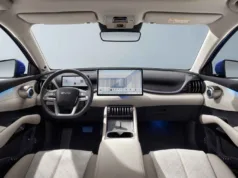
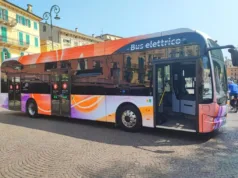
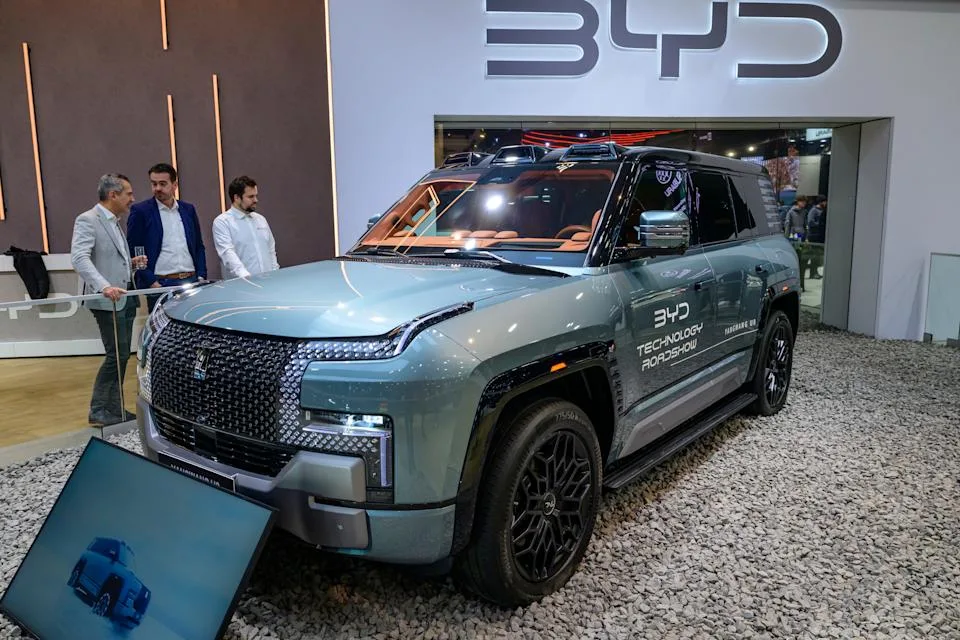
Meanwhile, Tesla’s Chinese competitor BYD, which sells a mix of pure EVs and hybrids, reported sales in Europe jumped 165% to 18,242 units.
BYD’s sales in Europe have soared every month since ACEA began including the company in its data last summer, per the Wall Street Journal.
While EV sales have slumped somewhat in the US, cheap EVs and hybrids are flourishing in the EU, especially from Chinese automakers like BYD and Li Auto, as buyers across the pond embrace Asian imports.
Read more: 6 steps to reduce your car insurance premium
As for Tesla, CEO Elon Musk’s deep unpopularity in Europe isn’t helping the company’s brand image, and Tesla’s lack of new products, such as a cheaper EV, is also hurting sales, leaving it with no competition against inexpensive Chinese imports.
In the US, domestic automakers like Tesla have been insulated from Chinese competition, at least thus far. Automakers, including Ford (F), are reportedly discussing ways to build Chinese vehicles in the US via joint ventures. Stellantis (STLA) is already working with China’s Leapmotor on co-developed vehicles as well.
Tesla, which just killed off its more expensive Model S and Model X EVs, is betting on a future of full self-driving cars, robotaxis, and Optimus robots to fuel future growth. The company’s overall global sales dropped 9% last year after slipping 1% in 2024.
Last week, Tesla’s first Cybercab — a purpose-built robotaxi with no pedals or steering wheel — rolled off the assembly line at Giga Texas in Austin, Texas. While the product hit its production timeline of the first half of 2026 — a rarity in the Musk era — Tesla’s autonomous pursuits have stagnated somewhat.
The company’s robotaxi rollout has stalled so far in Austin and the San Francisco Bay Area, with no new locations launched thus far in 2026. In addition, new crash data submitted to NHTSA suggests the company’s robotaxis are less safe than human drivers based on crash incident statistics.