
Chinese electric vehicle (EV) manufacturers invested more in overseas facilities than in domestic plants for the first time in 2024, according to a report by the US-based Rhodium Group. This milestone signals a strategic pivot in China’s automotive industry, driven by regulatory pressures, nearshoring trends, and the pursuit of global market share.
Total domestic investment by Chinese EV companies fell sharply, from US$41 billion in 2023 to US$15 billion in 2024. Meanwhile, international investments—primarily in battery manufacturing (74%) and increasingly in assembly plants—overtook domestic spending for the first time.
Key developments include:
-
Great Wall Motor launched its first plant in Brazil in August and is considering a second facility in Latin America.
-
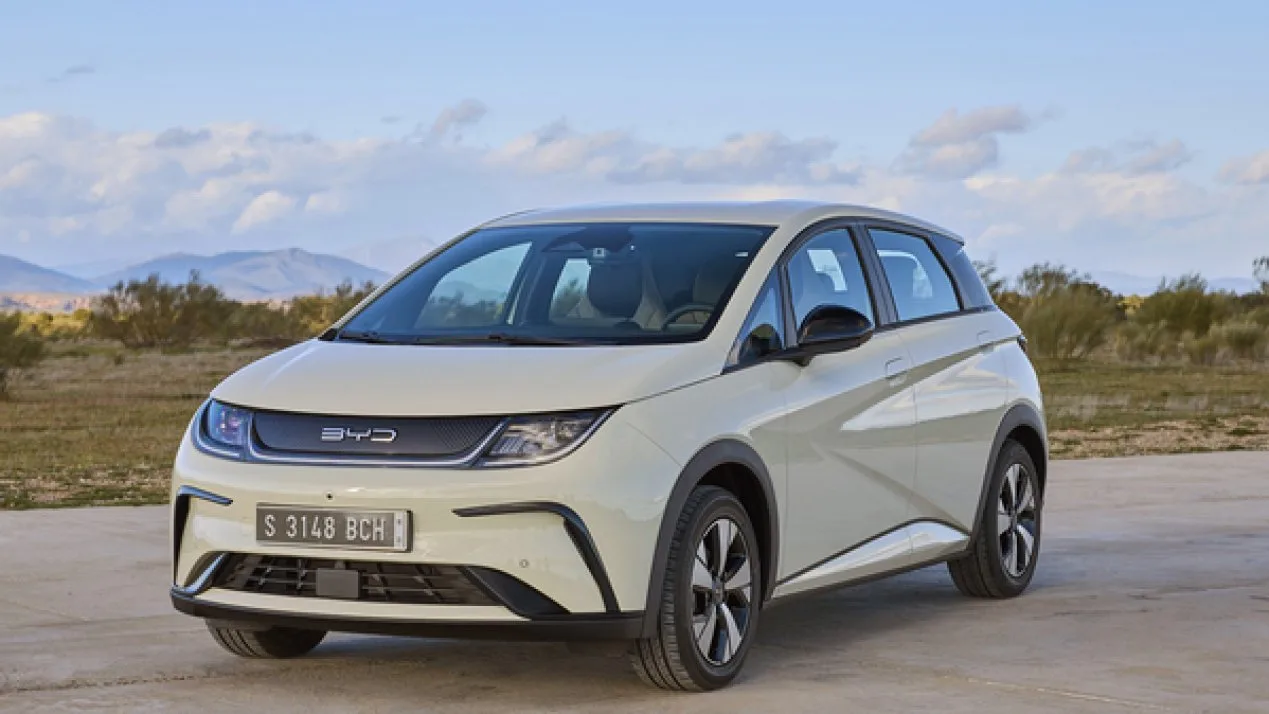
BYD began operations at its Brazilian plant in July. It has already sold over 545,000 vehicles outside China in 2025, surpassing its total 2024 exports.
-
Envision, a leading battery supplier, commenced production at its French facility in June.
-
GEM, a major battery materials company, invested US$293 million to expand operations in Indonesia
Multiple structural forces are driving this overseas shift. Domestically, Chinese automakers face intensifying competition, while externally, rising tariffs in key markets—such as recent EU and US measures—have increased export costs. Simultaneously, emerging-market governments are offering attractive incentives for local manufacturing.
In April, the EU and China agreed to open negotiations on setting minimum prices for Chinese-made EVs as an alternative to tariffs imposed in 2024. The EU had levied duties of up to 45.3% on Chinese EVs, including 17.0% for BYD, 18.8% for Geely, and 35.3% for SAIC. The European Commission stressed that any pricing agreement must be “as effective and enforceable” as existing tariffs.
Germany’s auto industry welcomed the talks. The German Association of the Automotive Industry (VDA) called the tariffs a “mistake” and urged a negotiated resolution. German carmakers—who derived a third of their 2024 sales from China—have warned against escalating trade tensions.
“Stricter regulatory environments in host markets like the EU will continue to push Chinese firms toward local production strategies,” the Rhodium report noted. However, execution challenges persist: only 25% of announced international manufacturing projects have been completed so far, compared to 45% for domestic projects. Overseas initiatives are also twice as likely to be canceled due to logistical, regulatory, or political hurdles.
China’s central government is monitoring this trend closely. Concerns include potential technology leakage, domestic job displacement, and industrial base erosion—factors that may prompt tighter controls on outbound investments in strategic sectors.
Mexico’s Position: While Mexico has not yet received major greenfield investments from Chinese OEMs in 2025, the country remains on the radar for future projects. JAC’s recent MX$3 billion expansion in Hidalgo relied on Mexican capital, though it continues to produce Chinese-designed vehicles.
As of October 1, 2024, Mexico ended tariff exemptions on EVs imported from countries without a free trade agreement, including China. The exemption, in place since September 2020, had allowed tariff-free imports, reducing final costs by 15% to 20% and making some EV models available for under MX$400,000. Originally designed to accelerate EV adoption, the measure had helped boost EV market share from less than 0.5% to 1%, with over 60 electric models now offered, according to Eugenio Grandio, president of the Electro Movilidad Asociación (EMA).
In response, some brands are revising their strategies:
-
JAC will avoid tariffs by implementing a CKD (Completely Knocked Down) assembly model in Mexico.
-
Volvo will absorb costs temporarily while exploring production shifts to Europe to leverage EU-Mexico trade preferences.
-
Zeekr (a Geely subsidiary) will continue Chinese production to benefit from scale efficiencies. “We will remain competitive, even with the tariff,” said Edgar Suárez, Zeekr’s country manager in Mexico.
Chinese automakers such as BYD, MG Motor (SAIC), and Chirey have expressed interest in building plants in Mexico to serve both domestic and regional markets. However, no formal proposals have been presented to state governments to date. Chinese-brand vehicle sales in Mexico remain steady but below the volume typically needed to justify local manufacturing investments. No brand has yet surpassed 70,000 units annually in Mexico, though BYD is expected to be the first.