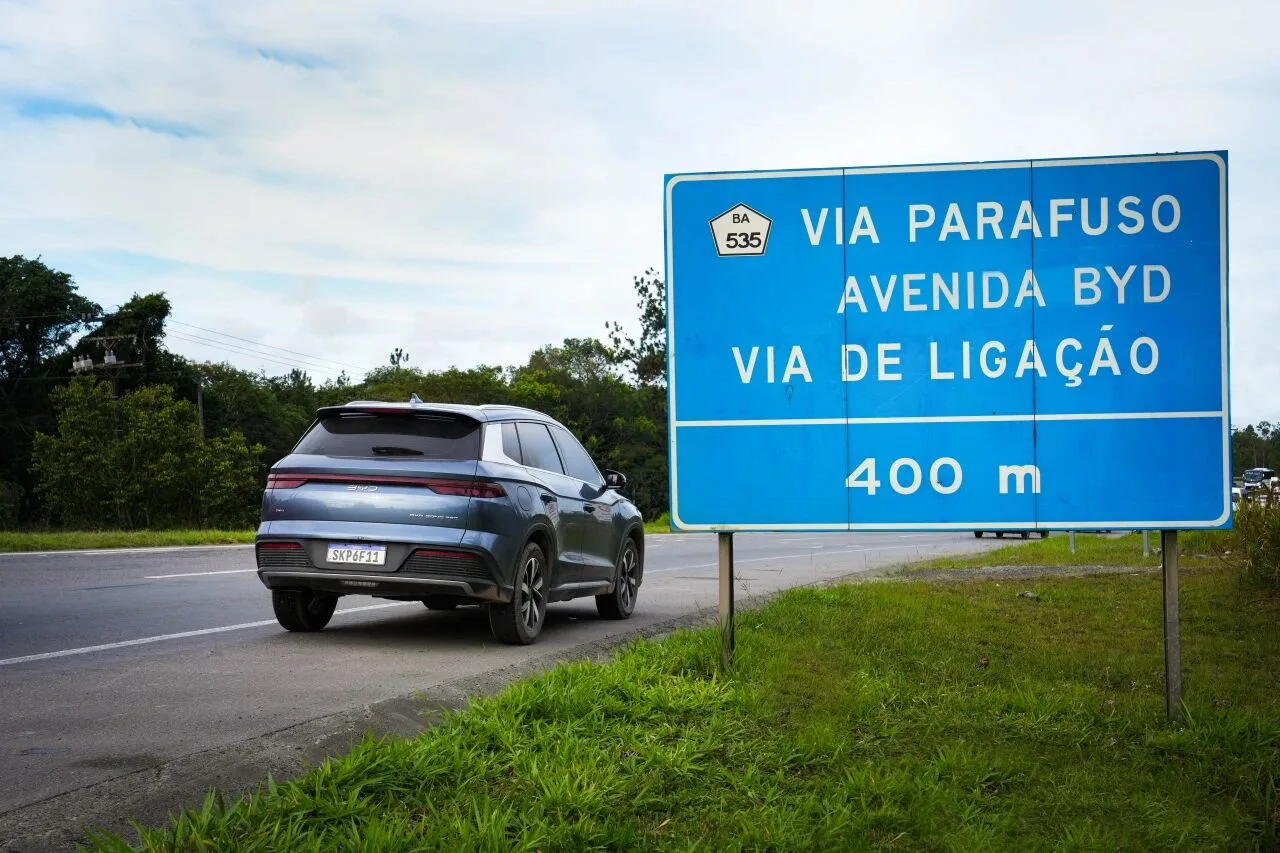
Gasgoo Munich-BYD is deepening its presence in the South American auto market, positioning Brazil as a central pillar of its global strategy.
According to the Nikkei, BYD plans to invest 300 million reais (approximately $56.9 million) to build an electric vehicle R&D center near Rio de Janeiro’s Galeão International Airport. Recently announced, the facility is scheduled to open in 2028.
As growth slows in China, BYD is expanding overseas by establishing localized industrial chains. This new R&D center signals a shift in its Brazilian operations from simple vehicle sales to deep localization—spanning R&D, manufacturing, and supply chain management.
Deepening Localization
With the R&D center under development, BYD has established a closed-loop ecosystem in Brazil that integrates R&D, production, and sales.
Construction is set to begin in 2026, modeled after BYD’s test track in Zhengzhou, China. The facility will feature specialized tracks to verify speed, power output, and durability, alongside off-road courses and a large pool for buoyancy testing. It will also collect tropical climate data to tailor product development and tuning for the local market.
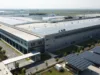
Previously, BYD established a passenger car plant in Brazil, taking over a former Ford production site. The first phase of investment totals 5.5 billion reais (roughly $1.1 billion), with core facilities such as stamping, welding, and painting nearing completion.
Annual capacity is expected to reach 150,000 units by late 2026, with plans to eventually scale up to 300,000 or even 600,000 units—positioning it as one of BYD’s largest overseas production hubs.
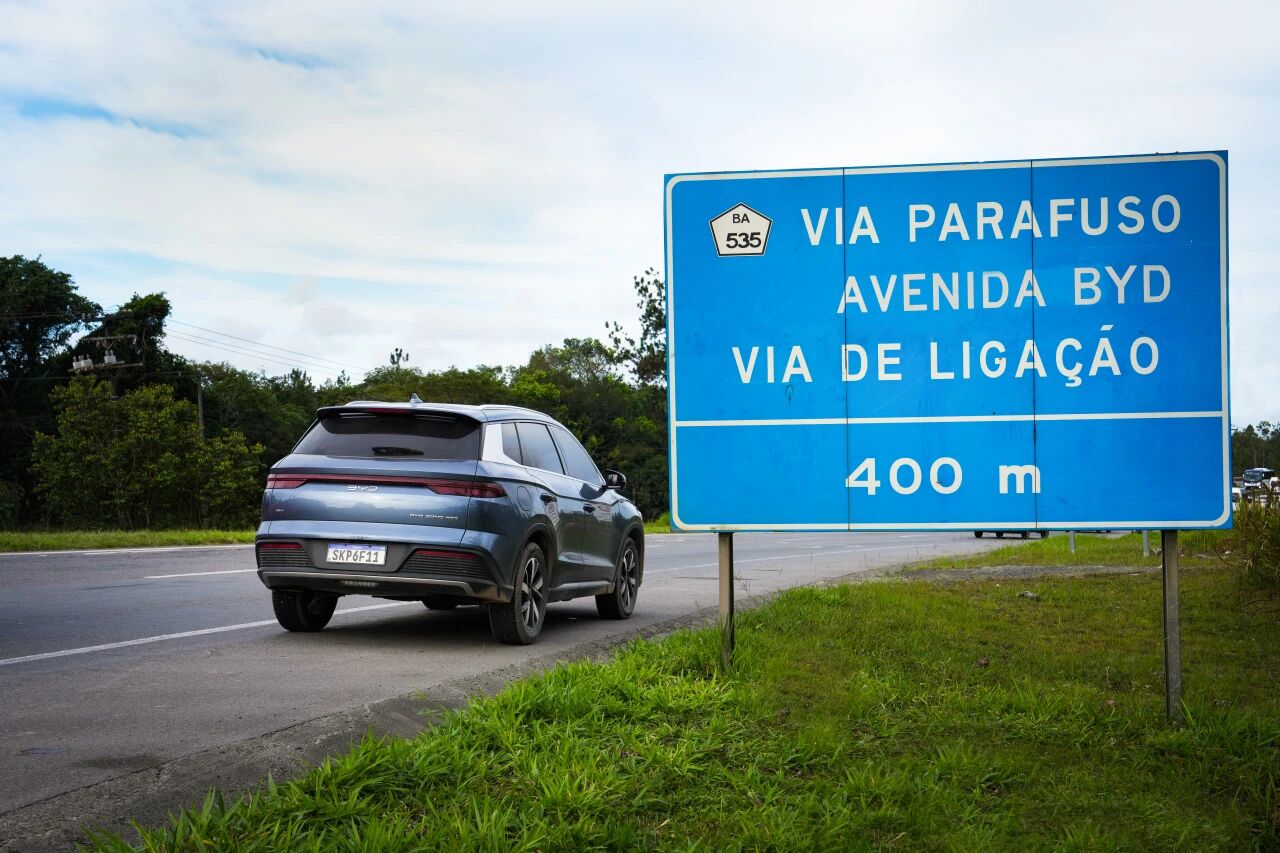
Image Source: BYD
Localization efforts are accelerating in parallel. BYD aims to raise the local content rate of its Brazilian-made vehicles to 50% by January 1, 2027. This target encompasses both BYD’s own manufacturing and components from local suppliers, such as tires.
The plant currently operates using imported semi-knocked-down (SKD) kits. However, management stresses that a shift to full localized production is essential to achieve financial sustainability and meet regulatory requirements for exports to the Southern Common Market (Mercosur).
Core facilities—from stamping and welding to painting—are nearly finished, all part of the initial investment. To date, the Brazilian base employs roughly 5,000 people, including about 2,300 BYD staff, with the remainder coming from construction and service contractors.
To address the fact that nearly 90% of Brazilian cars run on ethanol blends, BYD assembled a team of over 100 Chinese and Brazilian engineers. They spent two years developing what the company calls the world’s first flexible-fuel plug-in hybrid. Powered by DM-i technology, the vehicle can run on any blend of gasoline and ethanol.
The Rio center, scheduled for completion in 2028, will further close the gap in local R&D capabilities. This dual localization of manufacturing and R&D is transforming BYD’s Brazilian operations from simple import-assembly into a full-fledged system with independent development capabilities.
A Win-Win Scenario
BYD’s localization drive is not only boosting its competitiveness in South America but also acting as a catalyst for Brazil’s new energy vehicle sector.
With Brazil recently rolling back some import tax exemptions, local production has become critical to avoiding high tariffs and ensuring financial sustainability. By manufacturing locally and raising parts content, BYD can avoid steep levies on imported vehicles, cut costs, and leverage Mercosur trade rules to export Brazilian-made cars to neighbors like Argentina and Uruguay.
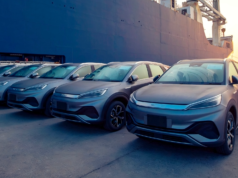
In fact, BYD Executive Vice President Stella Li recently revealed that the Brazilian plant has secured export orders totaling 100,000 vehicles from Argentina and Mexico—split evenly between the two. Brazil is fast becoming a manufacturing and export hub for BYD across Latin America.
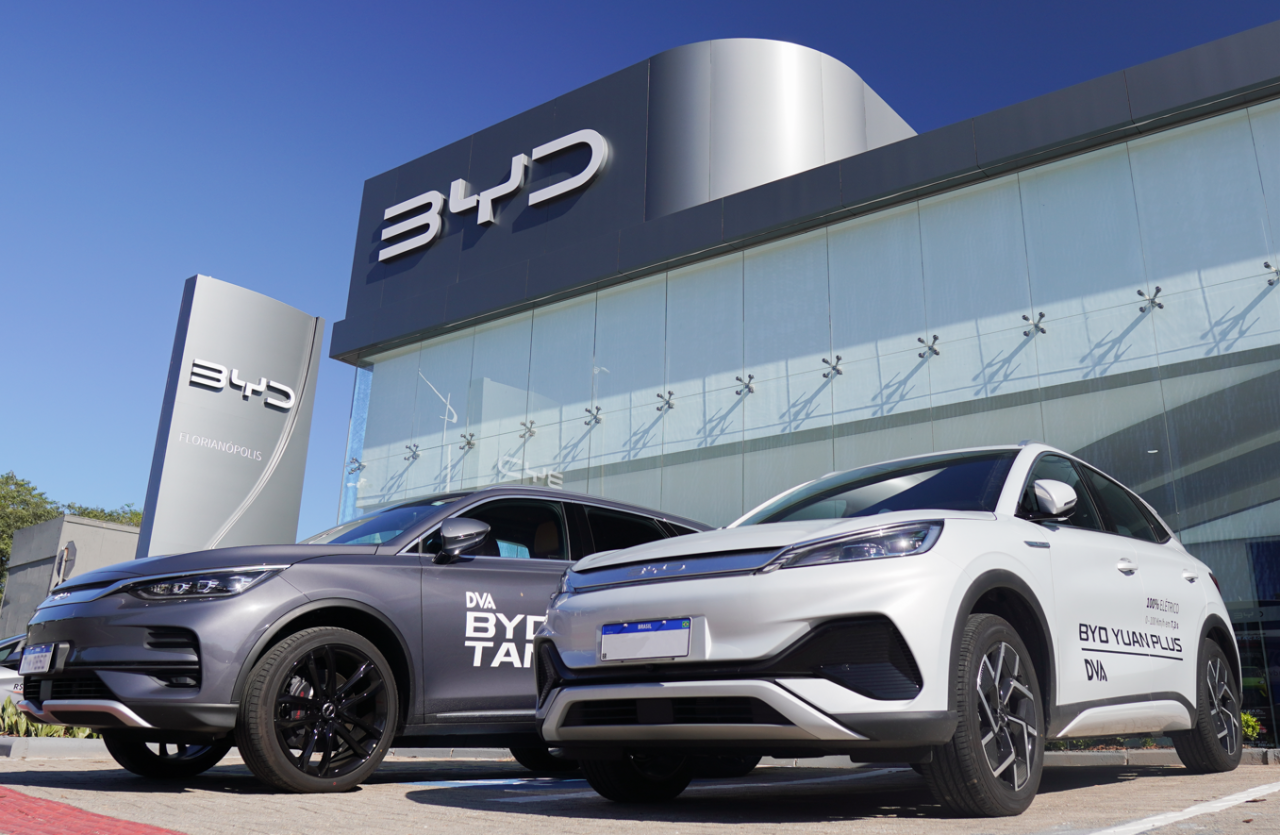
Image Source: BYD
Localization has also directly sharpened product competitiveness. BYD mobilized over 100 engineers from China and Brazil to develop a plug-in hybrid system compatible with any gasoline-ethanol blend. This vehicle is the result of deep collaboration between local R&D and manufacturing teams, and the future Rio center will further enhance BYD’s ability to customize products for the Brazilian market.
The localization strategy is already delivering results. BYD held a 19% share of Brazil’s EV market in 2023, a figure that surged to 43% in 2024. By 2025, its sales volume had entered the top 10 in the broader Brazilian auto market.
Recent data shows BYD commanded a 78% share of Brazil’s pure electric vehicle market in February. Across the retail market, the company captured a cumulative 10% share over the first two months of the year.
For Brazil, the benefits are tangible. Restarting the Camaçari plant has created thousands of direct jobs, while the emerging parts supply chain promises to drive the development of local supporting industries.
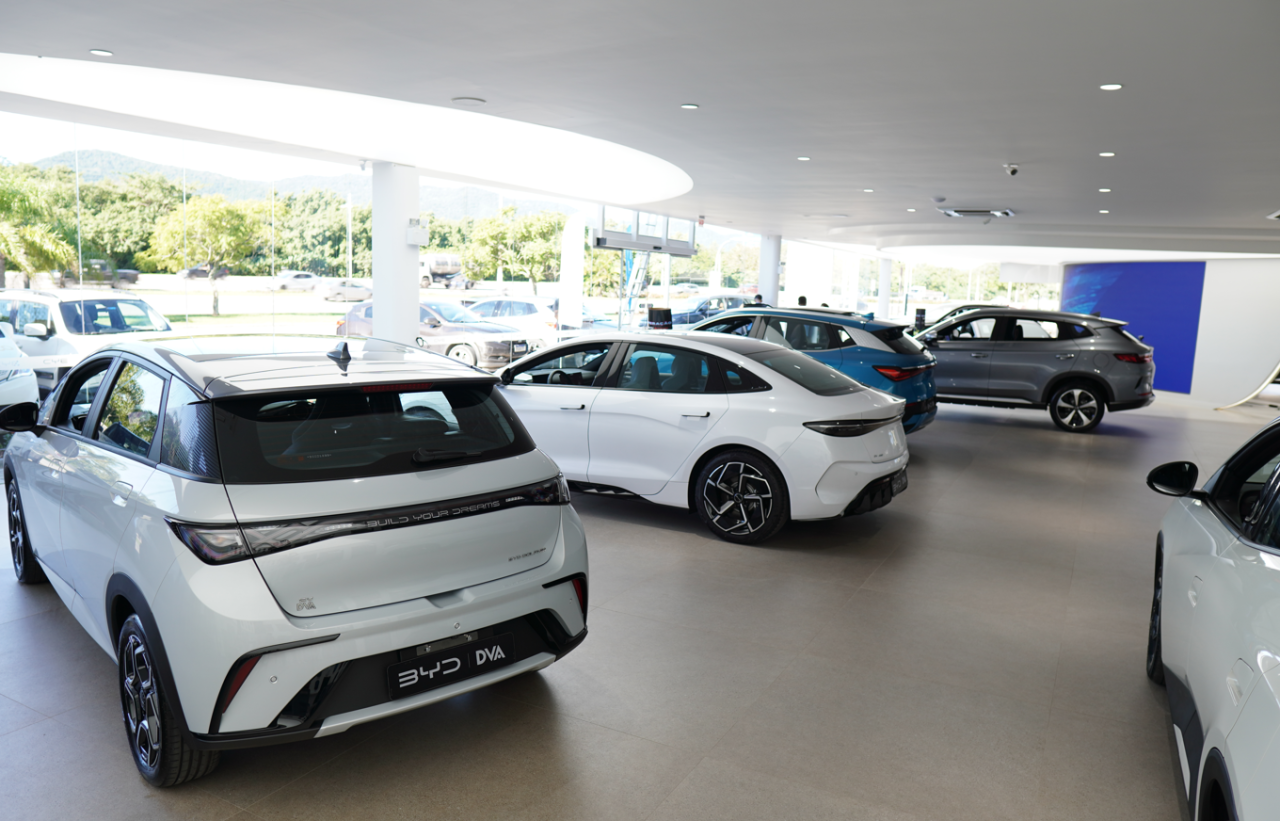
Image Source: BYD
The Brazilian government has been pushing for an energy transition and wider EV adoption in recent years. BYD’s local production helps lower EV prices, accelerating their entry into the mainstream. The flexible-fuel plug-in hybrid combines Brazil’s existing ethanol infrastructure with electrification technology—cutting fuel costs and emissions while bridging the gap between traditional fuels and new energy.
From breaking ground on an R&D center and launching vehicle production to introducing flexible-fuel hybrids and the high-end Denza brand, BYD’s presence in Brazil has evolved from simple sales into a full value chain covering R&D, manufacturing, sales, and after-sales service.
For now, BYD has secured a firm foothold in Brazil thanks to rapid responses to local demand and sustained investment. As localization rates climb and capacity expands, the Chinese automaker is poised to set a clear benchmark for global expansion in Brazil and across Latin America in the coming years.