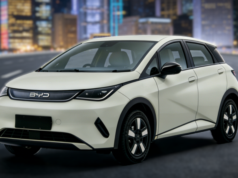

The Chinese automotive giant BYD is steering its product development toward higher-margin vehicles, with plans to introduce two new premium electric models in early 2026. This strategic move comes as the company seeks to bolster its profile in the lucrative premium segment, responding to a normalization in its explosive growth rates.
Operational Momentum and Strategic Timing
This product roadmap is being unveiled against a backdrop of robust operational performance. In November, BYD achieved a monthly delivery record for the year, handing over more than 480,000 new energy vehicles. While 2025 is projected to be a year of peak volume, year-on-year growth rates have moderated. The scheduled debut of the new models in the first quarter of 2026 is strategically timed to provide fresh momentum, specifically targeting the more profitable premium market where brand positioning is critical.
Introducing the New Flagship Duo
According to recent announcements, BYD has finalized the naming and design concept for the next generation of its “Ocean Series.” The Seal 08 sedan and the Sealion 08 SUV are designated to fortify the upper tier of the company’s passenger vehicle portfolio.
Key specifications for the upcoming vehicles include:
- BYD Seal 08: A mid-size electric sedan, measuring approximately 4,720 mm in length, designed to compete in the Tesla Model 3 segment.
- BYD Sealion 08: A larger electric SUV, with a length of around 5,040 mm, positioned against rivals like the Tesla Model Y and other premium crossovers.
- Platform and Design: Both models will utilize the evolved “Ocean Aesthetic 2.0” design language and are expected to be built on the latest iteration of the e-Platform 3.0 architecture.
This confirmation of the 2026 launch provides investors with clarity, alleviating concerns about a potential gap in BYD’s product cycle and offering a tangible roadmap for the upcoming fiscal period.
Should investors sell immediately? Or is it worth buying BYD?
European Public Transport Business Gains Traction
In parallel to its passenger car initiatives, BYD is securing its commercial vehicle business in Europe. The company recently reported a significant order from Belgian public transport operator De Lijn, secured on December 11.
The framework agreement covers the supply of 268 electric buses of the B12.b model. Deliveries for this contract are scheduled to commence in the second quarter of 2027. This deal enhances revenue predictability for BYD’s commercial vehicle division and complements its broader automotive offensive.
Investment Perspective: Evolving Beyond Pure Volume
The current narrative for BYD shares reflects a corporation transitioning from a phase of pure volume expansion to one focused on technological refinement and deeper penetration into premium markets. The ability to sustain monthly sales exceeding 480,000 units while simultaneously preparing a new flagship launch for early 2026 demonstrates a high operational tempo.
Looking ahead, investor focus will increasingly shift to the detailed technical specifications and pricing strategy for the Seal 08 and Sealion 08. The central question will be the extent to which these models can contribute to enhancing profitability within the competitive premium segment.
Ad
BYD Stock: Buy or Sell?! New BYD Analysis from December 17 delivers the answer:
The latest BYD figures speak for themselves: Urgent action needed for BYD investors. Is it worth buying or should you sell? Find out what to do now in the current free analysis from December 17.
BYD: Buy or sell? Read more here…