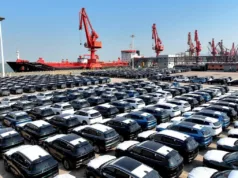

Vehicle sales in February were impacted by Chinese New Year, most new energy vehicle (NEV) startups saw a decline in deliveries compared to January. Leapmotor reclaimed the top spot from Huawei’s HIMA with 28,067 vehicles sold. Xpeng ranked last among major NEV startup manufacturers.
| Ranking | NEV Startup | February Sales |
| 1 | Leapmotor | 28,067 |
| 2 | Li Auto | 26,421 |
| 3 | HIMA | 21,517 |
| 4 | Nio | 20,797 |
| 5 | Xiaomi | 20,000+ |
| 6 | Xpeng | 15,256 |
| 7 | eπ | 14,936 |
| 8 | Voyah | 8,358 |
| 9 | Polestones | 1,298 |
Despite being the top-selling NEV startup in February, Leapmotor saw a 12.5% decrease month-on-month due to the slow season around this time of the year, but an 11% increase year-on-year. So far, Leapmotor’s 2026 cumulative sales exceeded 60,000 vehicles, ranking second behind HIMA.
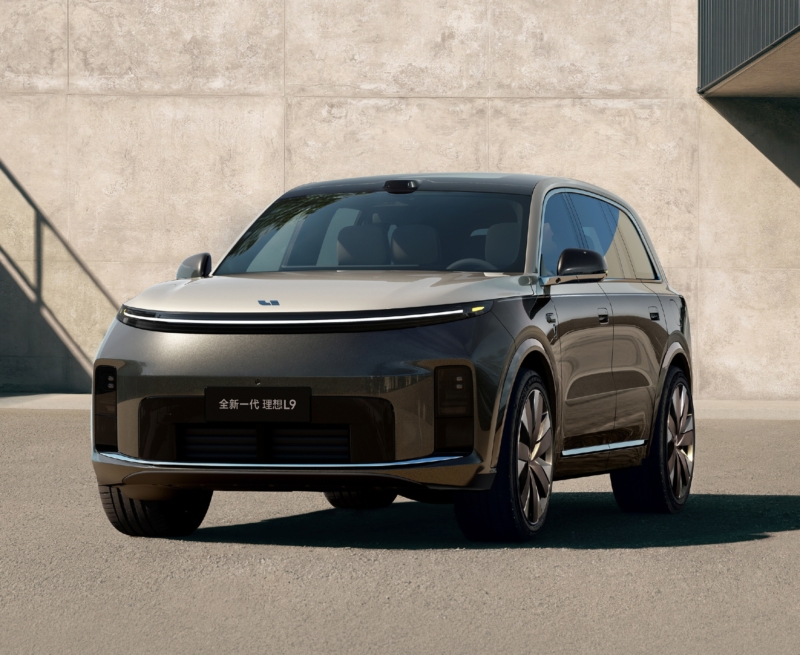
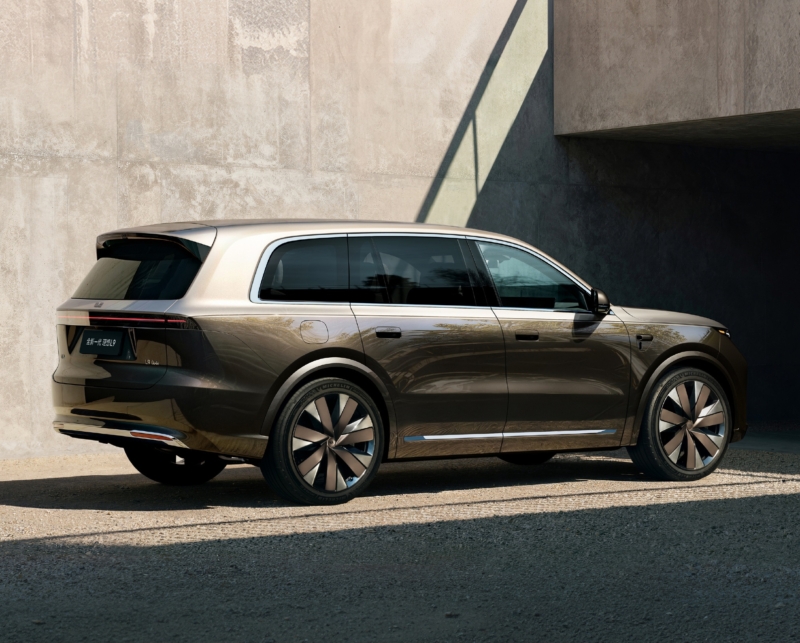
Li Auto jumped two places from its fourth-place ranking in January. It sold 26,421 vehicles, a 4.5% decrease month-over-month and a 0.6% increase year-over-year. Coming up, its all-new Li L9 Livis full-size six-seat flagship SUV will enter the market in the second quarter.
The third-ranked HIMA delivered 21,517 vehicles in February. This represents a significant decrease compared to January’s sales of 57,915 vehicles. Among its five sub-brands, Aito remains the top-selling brand with approximately 18,000 vehicles delivered.
Nio delivered 20,797 vehicles as the fourth-ranked NEV startup, including 15,159 units under the Nio brand, 2,981 under Onvo, and 2,657 under Firefly. This represents a year-on-year increase of 57.6%. To date, Nio has delivered a cumulative of 1,045,571 vehicles.
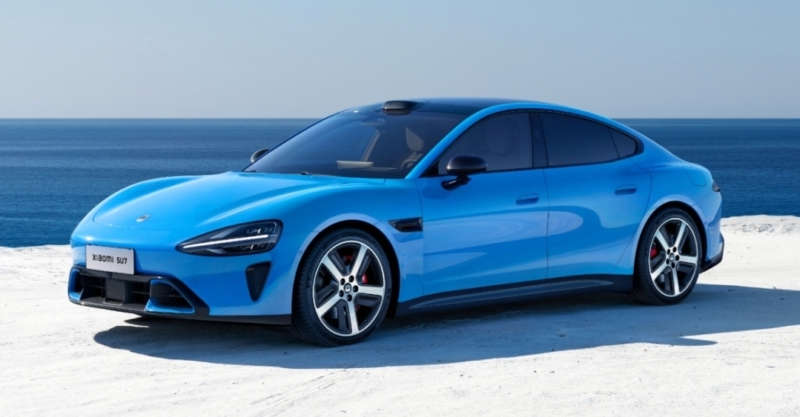
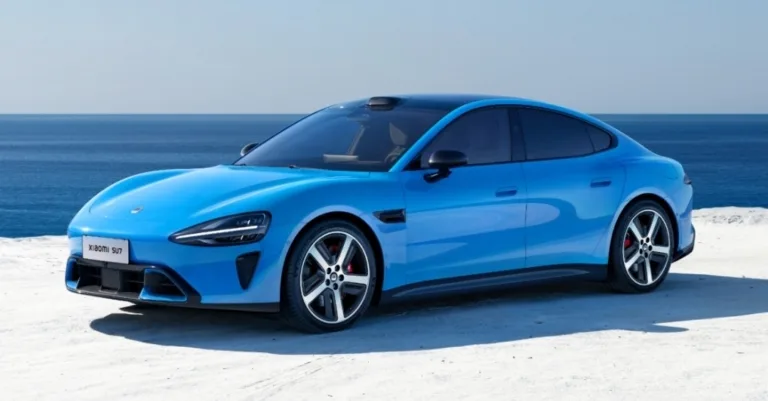
Xiaomi delivered over 20,000 vehicles. Meanwhile, Xiaomi is preparing for mass production of its new SU7.
Xpeng ranked 6th, last among the major NEV startup players, with 15,256 vehicles sold in February, a 23.8% decrease month-over-month and a 49.9% decrease year-over-year, two consecutive months of decline.
Source: Official announcements from NEV startups
Follow us for ev updates