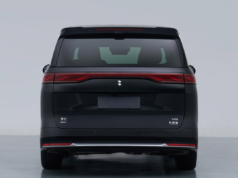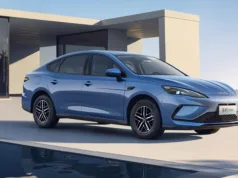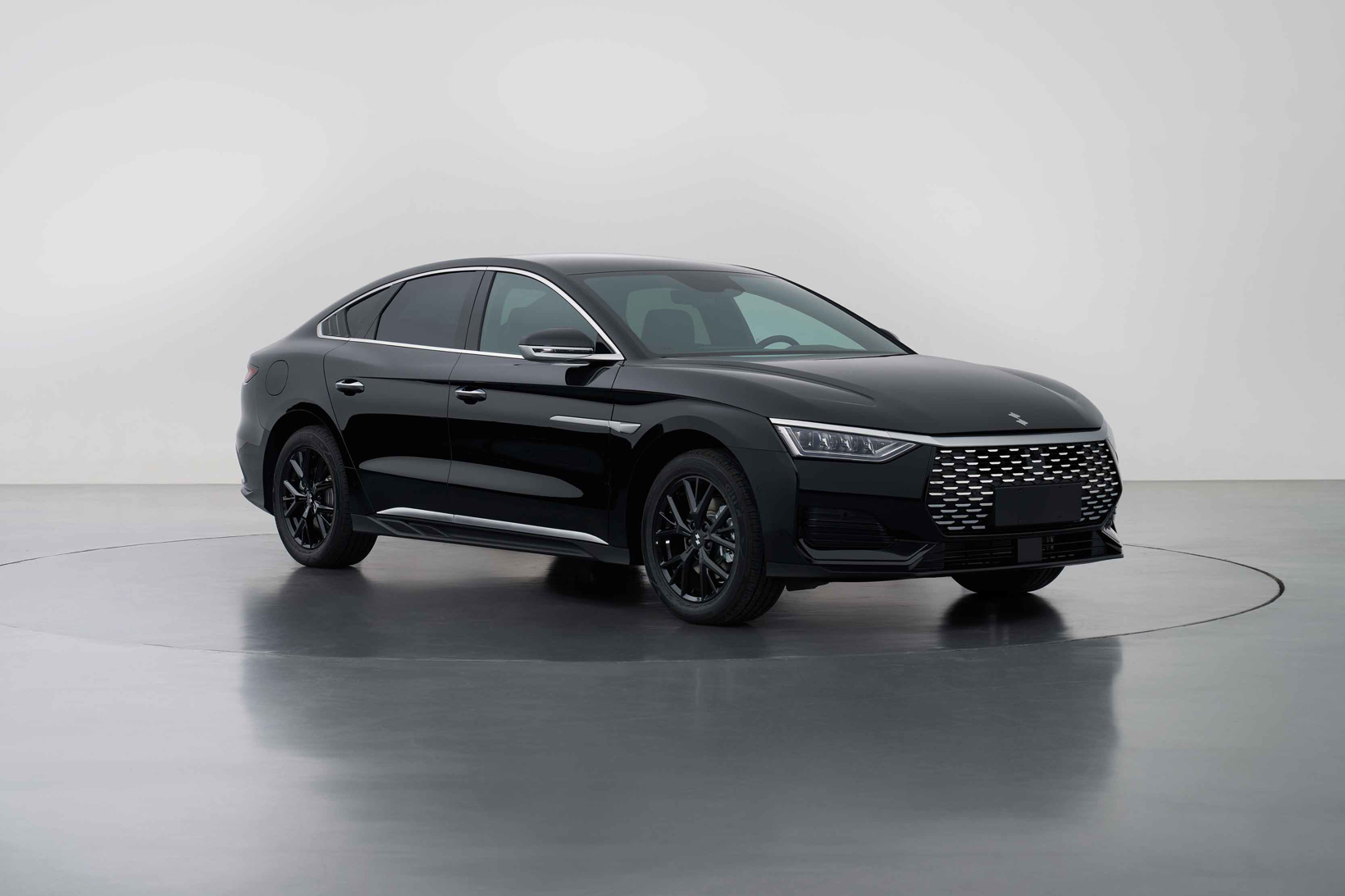
A newly registered sub-brand under BYD, named Linghui, has made its official debut in China’s Ministry of Industry and Information Technology’s («MIIT») 403rd batch of vehicle approval listings. Alongside the brand and its standalone logo, four initial models—e5, e7, e9 and M9—were also disclosed.
Industry observers widely believe Linghui is designed specifically for ride-hailing, taxi and other business-to-business (B2B) mobility operations. Seen against BYD’s broader ambition to achieve major breakthroughs in global sales, R&D capability and international expansion by 2025, the launch appears to be a calculated move—one that deepens the group’s multi-brand strategy by targeting a clearly defined niche.
1. What sets Linghui apart?
1.1 A clearly separated brand identity
Linghui’s introduction sends a clear strategic signal. Its appearance in official MIIT filings formally confirms its status as an independent sub-brand within BYD’s portfolio. Just as importantly, the adoption of a dedicated logo and visual system marks a clean break from BYD’s Dynasty and Ocean product lines. This deliberate separation is intended to avoid brand overlap with consumer-focused models and to establish Linghui as a purpose-built nameplate with its own mission.
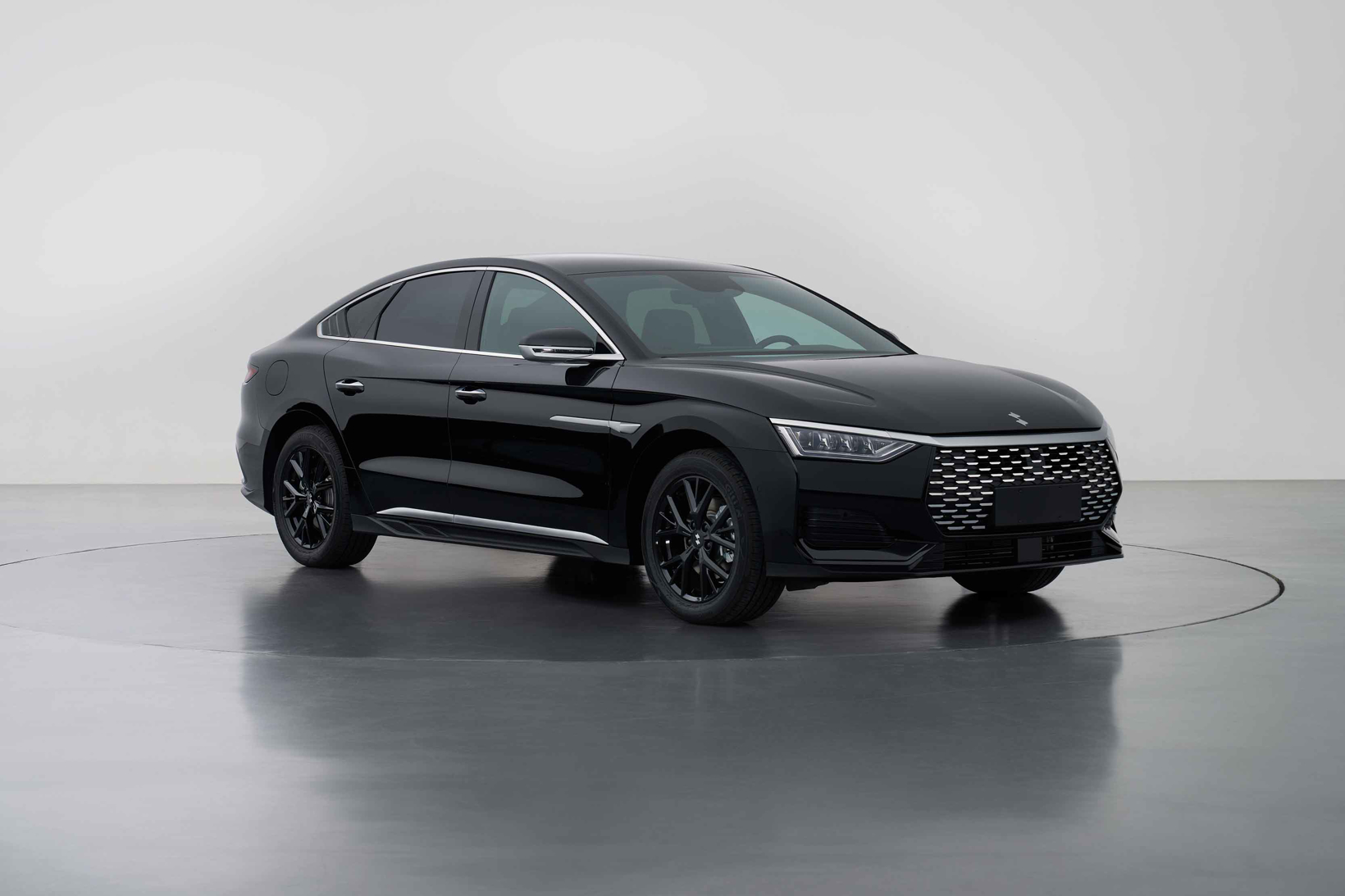
Photo source: MIIT
1.2 An early product lineup built on proven platforms
The initial regulatory disclosures show that Linghui has already formed a basic lineup spanning sedans and an MPV. The models follow a «shared-platform» approach, drawing heavily on BYD’s established architectures—an approach that offers immediate benefits in cost control, reliability and speed to market.
• Linghui e5: Positioned against the Qin PLUS EV, the e5 targets the entry-level sedan segment for mobility services. It measures 4,805 mm in length with a 2,718 mm wheelbase and is powered by a 100 kW electric motor.
• Linghui e9: Aligned with the Han series in size and positioning, the e9 is aimed at mid- to high-end operating scenarios. It comes with a 2,920 mm wheelbase and offers motor outputs of 135 kW or 150 kW.
• Linghui e7: Sitting between the e5 and e9, the e7 fills a previously unoccupied segment. While its design echoes styling cues seen on models such as the Seal, it has been independently refined to suit operational use. The car features a 2,820 mm wheelbase.
• Linghui M9: The brand’s first plug-in hybrid MPV is tailored for scenarios that demand both generous cabin space and strict cost efficiency, such as premium shuttle services and multi-passenger transport. The M9 rides on a 3,045 mm wheelbase.
By leaning on well-established platforms, Linghui significantly reduces development costs and manufacturing ramp-up risks. More critically, it capitalizes on systems that have already proven their durability in the market—an essential requirement for high-mileage commercial operations.
2. Why Linghui is built specifically for commercial use
The prevailing view is that Linghui is designed expressly for ride-hailing fleets, taxi operators and leasing companies. This positioning is underpinned by a coherent brand strategy and a clear reading of market demand.
2.1 Brand strategy: Shielding the core BYD brand
Separating commercial-use vehicles into a standalone brand helps protect BYD’s core consumer image. It prevents the main BYD name from becoming overly associated with fleet or ride-hailing usage, preserving the premium and lifestyle positioning of the Dynasty and Ocean lineups while enabling a clean division between private buyers and institutional customers.
2.2 Market demand: Focusing on what operators value most
Commercial-use vehicles operate under a very different logic from private cars. Fleet owners and drivers prioritize durability, low running costs, ease of maintenance and overall reliability—criteria that sit at the heart of Linghui’s product philosophy.
By drawing on platforms shared with proven models such as the Qin and Han, Linghui benefits from established quality benchmarks. At the same time, it pares back non-essential smart features, reallocating resources toward range efficiency and energy consumption—areas that directly affect operating economics.
In doing so, Linghui aligns closely with the cost structures of commercial fleets, ensuring that spending is directed toward maximizing uptime and minimizing maintenance rather than toward features favored mainly by private owners.
2.3 Strategic positioning: completing BYD’s brand portfolio
From a group-level perspective, Linghui fills a critical gap in BYD’s brand architecture, completing a multi-tiered portfolio that spans virtually all mobility scenarios.
• Mass-market consumer vehicles: Dynasty and Ocean series
• Premium and personalized segments: DENZA, FANGCHENGBAO, and YANGWANG
• Commercial mobility ecosystem: Linghui
With Linghui in place, BYD now commands a comprehensive brand matrix that addresses the full spectrum of automotive demand, from private ownership to large-scale commercial operations.
3. Foundation behind the new brand: how BYD powers Linghui’s ascent
Linghui is not a standalone experiment. Its launch is rooted in BYD’s sweeping success across global markets and supported by a mature, highly integrated industrial system that few automakers can replicate.
3.1 Scale matters: Credibility of a global sales leader
Numbers offer the clearest validation. In 2025, BYD delivered a set of results that underscored its dominance in the global new-energy vehicle market.
• Annual vehicle sales reached 4.6024 million units, securing BYD’s position as the world’s top-selling NEV maker.
• Global market share climbed to 18.2%.
• Battery-electric vehicle sales totaled 2.26 million units, overtaking Tesla.
• Overseas sales surpassed 1.0496 million units, representing a year-on-year surge of 145%.
This immense production and sales volume translates into formidable economies of scale. It strengthens BYD’s bargaining power across the supply chain and drives manufacturing costs down to levels that are difficult for competitors to match—forming the cost foundation that allows Linghui to compete aggressively in the price-sensitive commercial vehicle market. Just as importantly, BYD’s status as a global sales leader serves as a powerful endorsement in its own right, significantly lowering the trust barrier for fleet operators and institutional partners.
3.2 Technology transfer: Putting core innovations to work
Relentless investment in research and development remains central to BYD’s competitive edge. In the first half of 2025 alone, R&D spending reached 30.9 billion yuan, up 53% year on year, bringing cumulative investment to more than 210 billion yuan. These advances are being selectively channeled into Linghui’s product lineup.
• Second-generation Blade Battery: With an energy density of up to 220 Wh/kg and support for 10C ultra-fast charging, the new battery technology significantly reduces charging downtime—an essential advantage for high-utilization commercial vehicles.
• Fifth-generation DM technology: Delivering fuel consumption as low as 2.6 liters per 100 kilometers in charge-sustaining mode and a combined range exceeding 2,100 kilometers, the system sharply cuts operating costs and enhances asset efficiency for fleet owners.
3.3 Ecosystem synergy: Value creation across the portfolio
Within BYD, the interaction among its brands has created a powerful value synergy. On one side, the billions of kilometers logged by vehicles under the Dynasty and Ocean series provide Linghui with ready-to-deploy electric powertrain and chassis technologies that have already proven their durability in real-world conditions.
At the same time, the upward momentum generated by premium brands such as DENZA, FANGCHENGBAO, and YANGWANG has elevated BYD’s overall technological ceiling and brand perception. This halo effect flows downward, strengthening Linghui’s credibility and giving it greater negotiating leverage when engaging with major mobility platforms and corporate clients.
Conclusion: Another piece in BYD’s ecosystem puzzle
Linghui reflects a deliberate redeployment of BYD’s accumulated technology, production capacity and brand capital following its rise to the top of the global NEV market.
By sharpening its focus on mobility services, BYD completes the final gap in its brand architecture while signaling a clear ambition to systematically capture—and lead—the vast commercial transportation market, further reinforcing its industry leadership.
From private car buyers to fleet operators, from mass-market vehicles to luxury flagships, and from China to the global stage, a comprehensive, end-to-end BYD automotive ecosystem has now basically taken shape.
All Rights Reserved. Do not reproduce, copy and use the editorial content without permission. Contact us: autonews@gasgoo.com