
A new lawsuit has been filed against Tesla over the death of a young man in one of its Model Y vehicles, blaming Tesla’s electronic door handle design for trapping the driver inside the car after a crash.
It’s one of many similar lawsuits cropping up against Tesla lately – but a recent change in Chinese regulations should soon end this problem once and for all.
The new lawsuit was filed Wednesday in Massachusetts, titled Tremblett v Tesla.
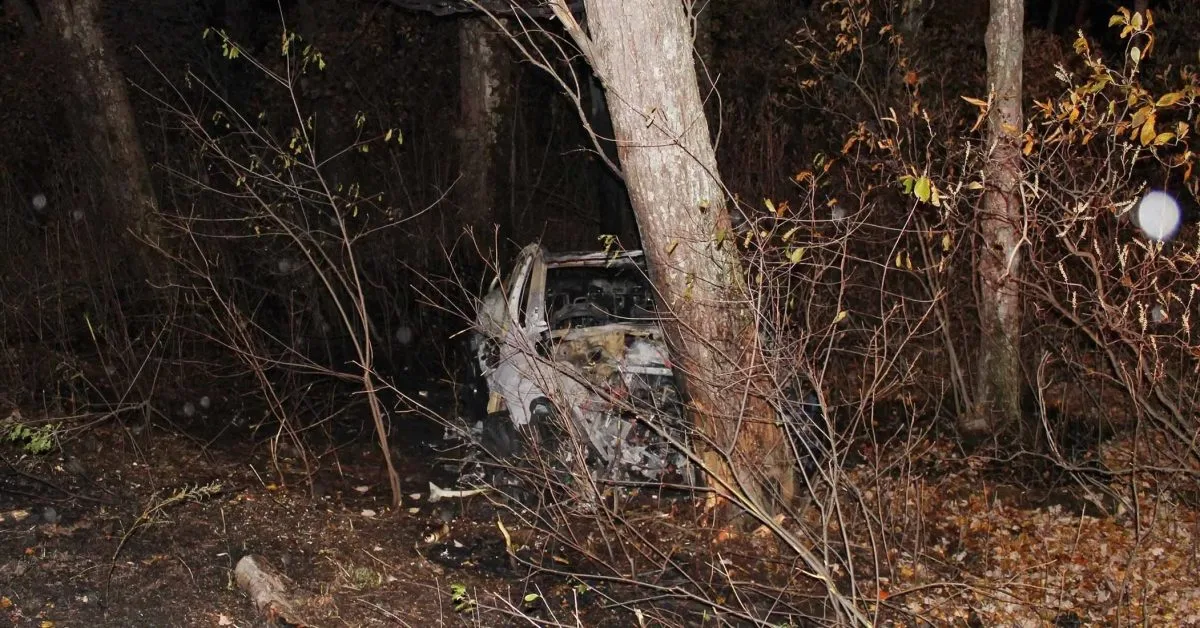
It relates to an accident on October 25, 2025, where 20-year-old college student Samuel Tremblett was driving a 2021 Model Y in Massachusetts, when the vehicle left the road and crashed into a tree. Tremblett survived the crash, but was unable to escape the vehicle due to its interior door handle design.
Tesla vehicles have always had… interesting door handle designs, and the Model Y is no different. The exterior handle lies flush against the body of the car, making a sleek look and slightly improving aerodynamics.
But the issue here is the interior handle, which is actuated electronically. One reason for this is because it allows the car’s window to slide down slightly before the door opens, which helps to protect the seals around the car’s frameless door design.
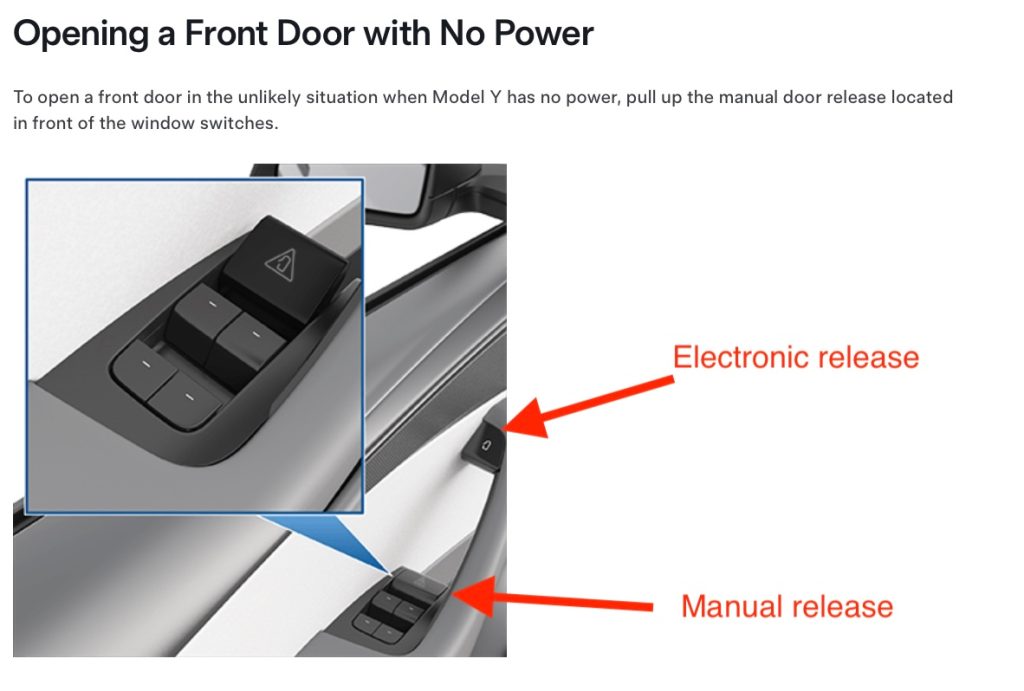
But what it means is that when the car loses power, the electronic door release no longer works. Instead, a manual release needs to be used, which is in a different place than the normal electronic door handle.
In the Model Y, the front manual release is easy enough to find, at the front end of the armrest, just below the electronic release. In fact, many new riders in the car accidentally pull this lever instead of using the electronic button.
However, in a crash, it’s entirely possible for panic to set in, or for visibility to be limited, and for a driver to not think of using a different method to exit the car than they are used to. Further, doors might be obstructed or damaged and inoperable (the crash photo above doesn’t clearly let us know if this was the case or not in this crash).
On early Tesla Model S cars, the front interior door release was electronic but had a mechanical fallback in case of emergencies like this one (though the rear manual door release was similarly hidden). Tesla cars since then have abandoned this fallback, and moved the manual release to another location, as seen above.
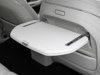
More egregiously, the Model Y’s rear manual release is hidden in a door pocket, and not apparent unless you know what you’re looking for.
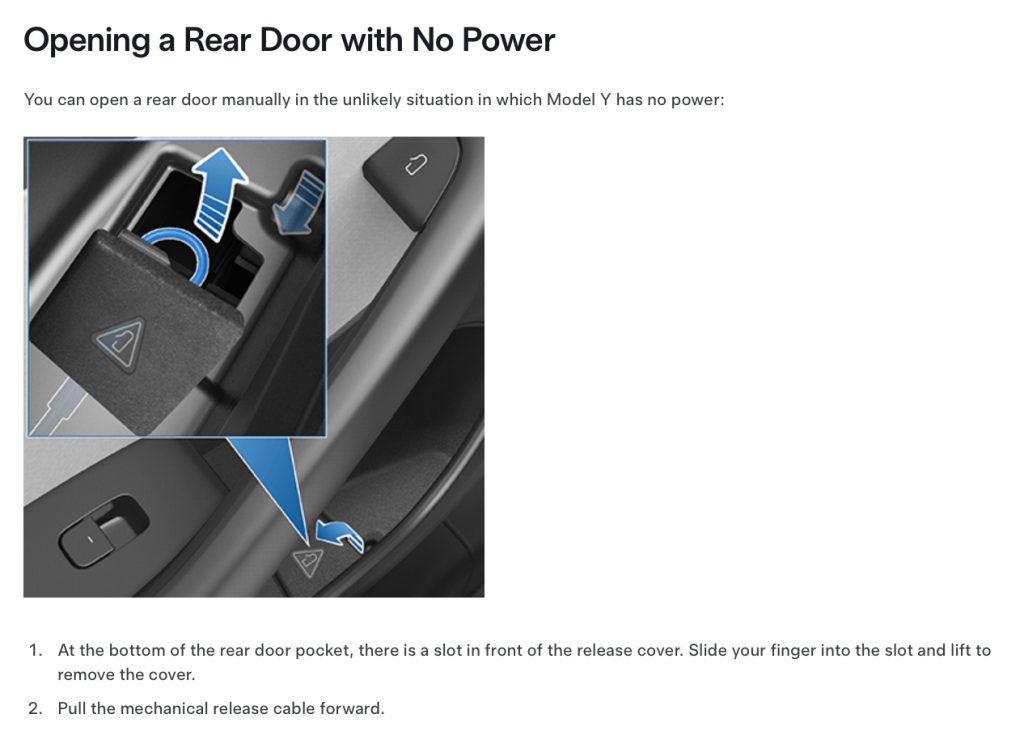
This is a multiple step process that is even harder to imagine a panicked or unfamiliar occupant being able to do. And in fact, in this case, Tremblett’s remains were found in the rear seat of the vehicle.
In addition to pointing out Tesla’s negligence and this wrongful death, the lawsuit seeks damages related to the “conscious pain and suffering of Samuel Tremblett.” A recording of the harrowing 911 call is transcribed in the lawsuit, where Tremblett pleads with the operator to save him:
“I’m stuck in a car crash. …I can’t get out, please help me. … I can’t breathe. … It’s on fire, it’s on fire. Help please. … I am going to die. … I’m dying. Help. I… I’m dying… Help…Help.”
The lawsuit points out Tesla’s safety claims, as its vehicles have repeatedly performed among the best of any vehicle in passive safety crash tests. However, in this case that a crash wasn’t handled by the vehicle’s passive safety systems, the after-crash behavior of the car is being blamed for Tremblett’s death.
There seems to be a pattern; regulators finally step in
By Bloomberg’s count, 15 people have died due to Tesla’s door handle design. This lawsuit alleges 17 accidents where people were trapped in Teslas, though not all fatal.
This is the third of these similar lawsuits that Electrek has covered, one in which three teenagers died in a Cybertruck and another where five occupants died in a Model S. All involved a collision with a tree, a fire, and inoperable interior door handles (the Cybertruck incident also involved inoperable exterior door handles, and windows that couldn’t be broken by a rescuer). None have been decided yet, but we imagine these won’t be the last similar lawsuits we hear of.
The pattern has resulted in scrutiny from regulators as the US NHTSA has launched an investigation into Tesla’s door handle design. Immediately after that investigation started, Tesla said it’s “working on” a fix, falling back to the original Model S design of having a mechanical release in the same position as the electronic release.
But it’s not just Tesla – Tesla may have popularized these modern door handles, but many other automakers have picked up the ball and designed their cars with similar sleek exterior handles and electronically actuated interior handles.
These have been particularly common in the Chinese EV industry, and China has seen similar incidents.
And so Chinese regulators have taken action on this issue. China proposed a ban on Tesla-style electronic door handles in September, and just this week finalized that ban.
The Chinese regulation requires that all vehicles with electronic actuators have mechanical fallbacks in the event of electrical failure. It also covers other door handle issues, like placement of handles, exterior operation, and clear markings visible to passengers.
The Chinese regulation goes into effect on January 1, 2027. Cars that are currently late in the design process and already approved for roadworthiness will have a grace period of up to two years to complete a redesign.
While the regulation only affects the Chinese auto industry, we can imagine that it will serve as a model for regulators elsewhere, or that it will influence global designs regardless given that China is the largest car market in the world.
Charge your electric vehicle at home using rooftop solar panels. Find a reliable and competitively priced solar installer near you on EnergySage, for free. They have pre-vetted installers competing for your business, ensuring high-quality solutions and 20-30% savings. It’s free, with no sales calls until you choose an installer. Compare personalized solar quotes online and receive guidance from unbiased Energy Advisers. Get started here. – ad*