Xiaomi has announced on social media that its cumulative passenger vehicle deliveries have surpassed 600,000 units since launch, driven by strong monthly figures and broader market positioning in the Chinese new-energy vehicle (NEV) sector. The cumulative total marks a new milestone for the EV arm, 22 months into operations since its first deliveries in April 2024.
In January 2026, Xiaomi reported deliveries of 39,002 vehicles, with the YU7 SUV accounting for approximately 97 per cent of that total, according to the latest data from the company. This made the YU7 the best-selling single EV model in China by retail sales in January.
Market context
In 2025, Xiaomi EV’s annual deliveries exceeded 410,000 units, significantly surpassing its internal target and placing it among NEV players with strong growth. December 2025 was a standout month, with deliveries topping 50,000 units, marking the brand’s highest single-month result since entering the EV market.
The YU7 mid-size electric SUV, launched in mid-2025, has played a pivotal role in this volume growth, with deliveries of over 150,000 units within six months of launch, more than doubling the comparable period of the SU7 sedan.
Despite cooling trends in January 2026, NEV retail sales across China, Xiaomi EV’s YU7 maintained strong positioning, reflecting competitive SUV segment demand amid softer sedan volumes as the original SU7 nears production end.
Product and segment
- YU7 SUV: Positioned to compete directly with the Tesla Model Y in China’s mid-size SUV segment.
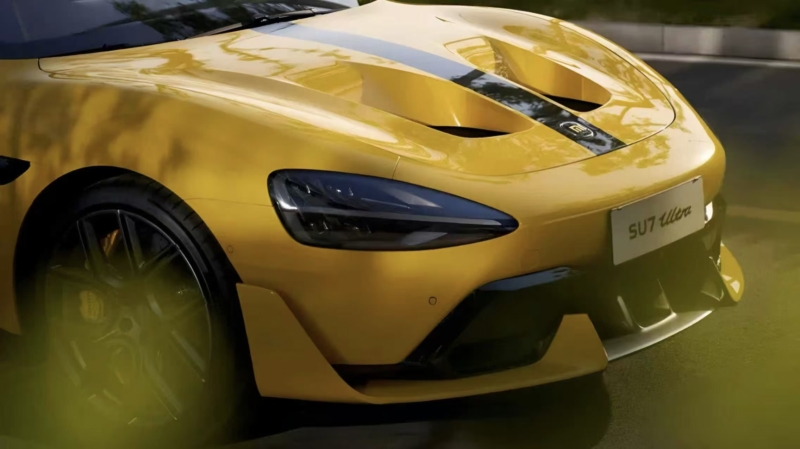
- SU7 Sedan: Xiaomi’s first EV model, entry in the mid-to-large sedan segment; production recently concluded.
- Upcoming 2026 Models: Local media reports indicate at least four new models planned for 2026, including an updated SU7 and extended-range SUVs
Delivery targets and strategic outlook
Lei Jun, Xiaomi founder and chairman, has reaffirmed a 2026 annual delivery target of 550,000 vehicles, a roughly 34 percent increase over 2025 performance. This target underscores Xiaomi EV’s strategy to expand production and roll out new variants to sustain sales momentum.
Industry watchers have cited export perspectives as a logical next step, with some corporate statements indicating validation efforts for potential EU market entry in 2027. However, formal export schedules for 2026 remain pending detailed company disclosure.

Follow us for ev updates