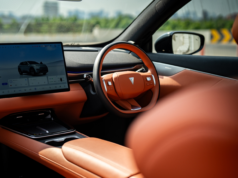
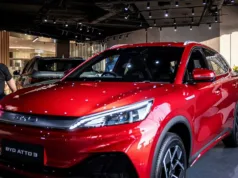
US Trade Representative Jamieson Greer criticized Canada’s decision to allow up to 49,000 Chinese electric vehicles at a reduced tariff rate, calling the move “problematic” as Washington seeks to keep Chinese-made EVs out of North America.
“I think it’s problematic for Canada,” Greer said in an interview with CNBC on Friday. “There’s a reason why we don’t sell a lot of Chinese cars in the United States. It’s because we have tariffs to protect American auto workers and Americans from those vehicles.”
Greer suggested Canada may come to regret the agreement, which was announced earlier Friday during Prime Minister Mark Carney’s state visit to Beijing.
“You know, the Canadians were trying to get some tariff relief on their own to get ag into there. I think in the long run, they’re not gonna like having made that deal,” Greer said.
The trade representative noted that American automakers would continue to dominate the Canadian market regardless of the new policy.
“All that being said, you know, American cars are still gonna be sold into Canada. We have a huge market share there and I think that the Canadians’ dependence on the United States for their GDP, the United States is always gonna have an outsized role in that economy,” Greer added.
The agreement announced Friday will allow up to 49,000 Chinese electric vehicles into Canada annually at “the most-favoured-nation tariff rate of 6.1%,” replacing the 100% duty imposed in 2024.
Carney said the deal is expected to drive Chinese joint-venture investment into Canadian auto manufacturing within three years.
“It is expected that within three years, this agreement will drive considerable new Chinese joint-venture investment in Canada with trusted partners to protect and create new auto manufacturing careers for Canadian workers, and ensure a robust build-out of Canada’s EV supply chain,” Carney said.
“With this agreement, it is also anticipated that, in five years, more than 50% of these vehicles will be affordable EVs with an import price of less than $35,000, creating new lower-cost options for Canadian consumers.”
Cybersecurity Concerns
Speaking at a Ford plant, Greer said Chinese automakers would face significant hurdles operating in the American market due to cybersecurity regulations.
“I think it would be hard for them to operate here because all of our cars now, right, they’re like computers on wheels and there are rules and regulations in place in America about the cyber security of our vehicles and the systems that go into those,” Greer said.
“So I think it might be hard for the Chinese to comply with those kinds of rules,” the US trade representative added.
Greer said President Donald Trump’s tariff policies have made the US an attractive destination for foreign automakers.
“The reason why so many countries wanna come and build here is because President Trump has protected the American auto industry and all these workers here,” Duffy said.
“That’s why the Chinese, the Japanese, the Koreans, everyone wants to come build their cars here in America. This is the consumer market. The tariffs protect the jobs here and this is where they wanna be.”
Ontario Premier Reacts
Ontario Premier Doug Ford also sharply criticized the federal government’s decision earlier Friday, warning the agreement gives Beijing a “foothold in the Canadian market” and puts the province’s auto industry at risk.
“The federal government is inviting a flood of cheap made-in-China electric vehicles without any real guarantee of equal or immediate investments in Canada’s economy, auto sector or supply chain,” Ford wrote on X.
Ontario is where Canada’s auto industry is concentrated and where factories have already been battered by US trade tensions.
“Worse, by lowering tariffs on Chinese electric vehicles this lopsided deal risks closing the door on Canadian automakers to the American market, our largest export destination, which would hurt our economy and lead to job losses,” Ford added.