


The recent Canada-China agreement, which eliminates the 100% surtax on 49,000 Chinese electric vehicles to be imported annually (leaving just a 6.1% tariff), continues to generate plenty of reactions. At least half of these vehicles will be priced under $35,000 by 2030, a move that is likely to please many shoppers but also hurt some automakers such as Kia, Nissan and Chevrolet.
Speaking of Chevrolet, General Motors CEO Mary Barra is among the latest critics of this trade agreement, a group that also includes Ontario Premier Doug Ford, U.S. President Donald Trump (who would prefer to see a future Chinese EV factory on his home turf rather than north of the border) and several auto industry stakeholders in Canada and the U.S.
Read also
“I can’t explain why the decision was made in Canada. It becomes a very slippery slope,” Barra told employees on Tuesday according to The Wall Street Journal. She feels that the move goes against building a strong North American industrial base and protecting jobs and national security on the continent.

The Carney administration’s decision to allow a few tens of thousands of Chinese EVs per year indeed comes with the expectation that Chinese companies will want to settle in Canada and create jobs locally, something that frightens Barra and her counterparts.
Ironically, GM ended production of Chevrolet BrightDrop electric vans at its Ingersoll, Ontario plant last October and will eliminate a shift this Friday—approximately 700 jobs in total—at its Oshawa plant where Chevrolet Silverado pickups are assembled. Why shouldn’t Canada look to other partners, even Chinese ones, to fill the void?
Want another bit of irony? The same business leaders who, faced with Trump’s tariffs, insist that the North American automotive industry is highly integrated and that CUSMA is “essential” (to use the words of Ford president Bill Ford) seem to forget that Chinese EVs are already well established in Mexico.
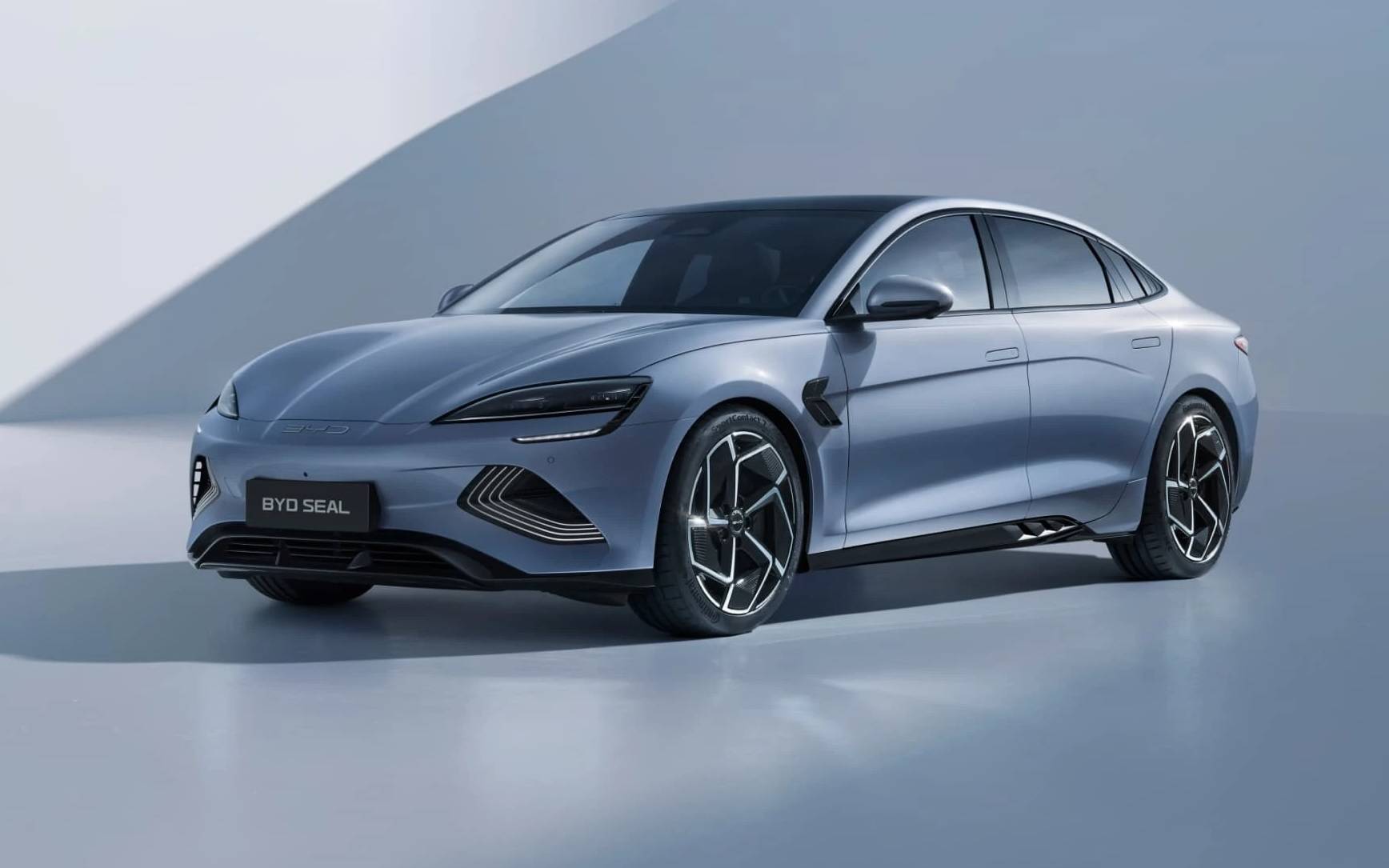
BYD, the world’s leading EV manufacturer, sells no fewer than four pure electric models and six plug-in hybrid models in Mexico. It’s just one of ten Chinese brands operating in the country. JAC Motors even builds vehicles locally. According to fresh data reported by Mexico Daily News in mid-January, Chinese products currently account for 20% of total vehicle sales in Mexico.
This is a far cry from the 3% market share that those 49,000 Chinese EVs eventually coming to Canada would capture.


