Shortly after the draft leaked, the Commission delayed its publication for a second time to Feb. 25 — meaning parts could still significantly change. Séjourné’s cabinet has said that it postponed the presentation “in order to maintain the very high level of ambition as it is discussed internally.”
The best form of flattery
Under the IAA in its current draft form, foreign investment over €100 million in “emerging key strategic sectors” would trigger mandatory screening from authorities. Foreign investors would also be banned from owning more than a 49 percent stake in any EU company operating in these same industries.
“Some provisions, such as a cap of 49 percent of foreign investments, sound like a replication of what China or Gulf States imposed years ago,” commented Falk Schöning, a partner at law firm Hogan Lovells who specializes in FDI screening.

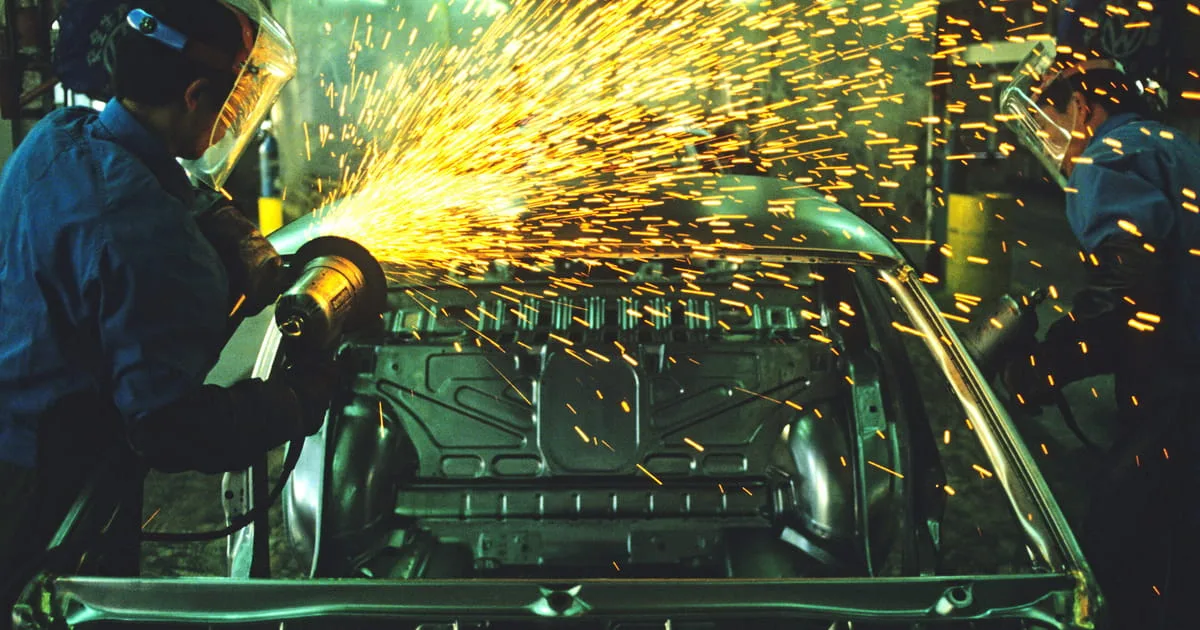
While the official annex defining what classifies as an emerging sector is still under lock and key at the Commission, the draft indicates it will cover energy-intensive sectors, net-zero technology like batteries and solar panels, and the automotive sector.
Along with joint ventures, companies would be required to share know-how “to the benefit of the Union Target,” the draft says, and intellectual property rights would remain in the hands of European companies. Foreign investors should commit to spending at least 1 percent of the revenue generated by the joint venture on research and development within the EU.
Finally, they would have to source 50 percent of their manufacturing products in the bloc.