TLDR
- China’s rule ends electric-only EV handles, forcing safety-driven redesigns.
- Tesla faces compliance pressure as retractable doors lose regulator favor.
- Mechanical access rises in priority after incidents spotlight rescue risks.
- Carmakers weigh styling shifts to meet China’s 2027 safety mandate.
- Markets react as EV brands balance innovation with reliable hardware
Get live prices, charts, and KO Scores from KnockoutStocks.com, the data-driven platform ranking every stock by quality and breakout potential.
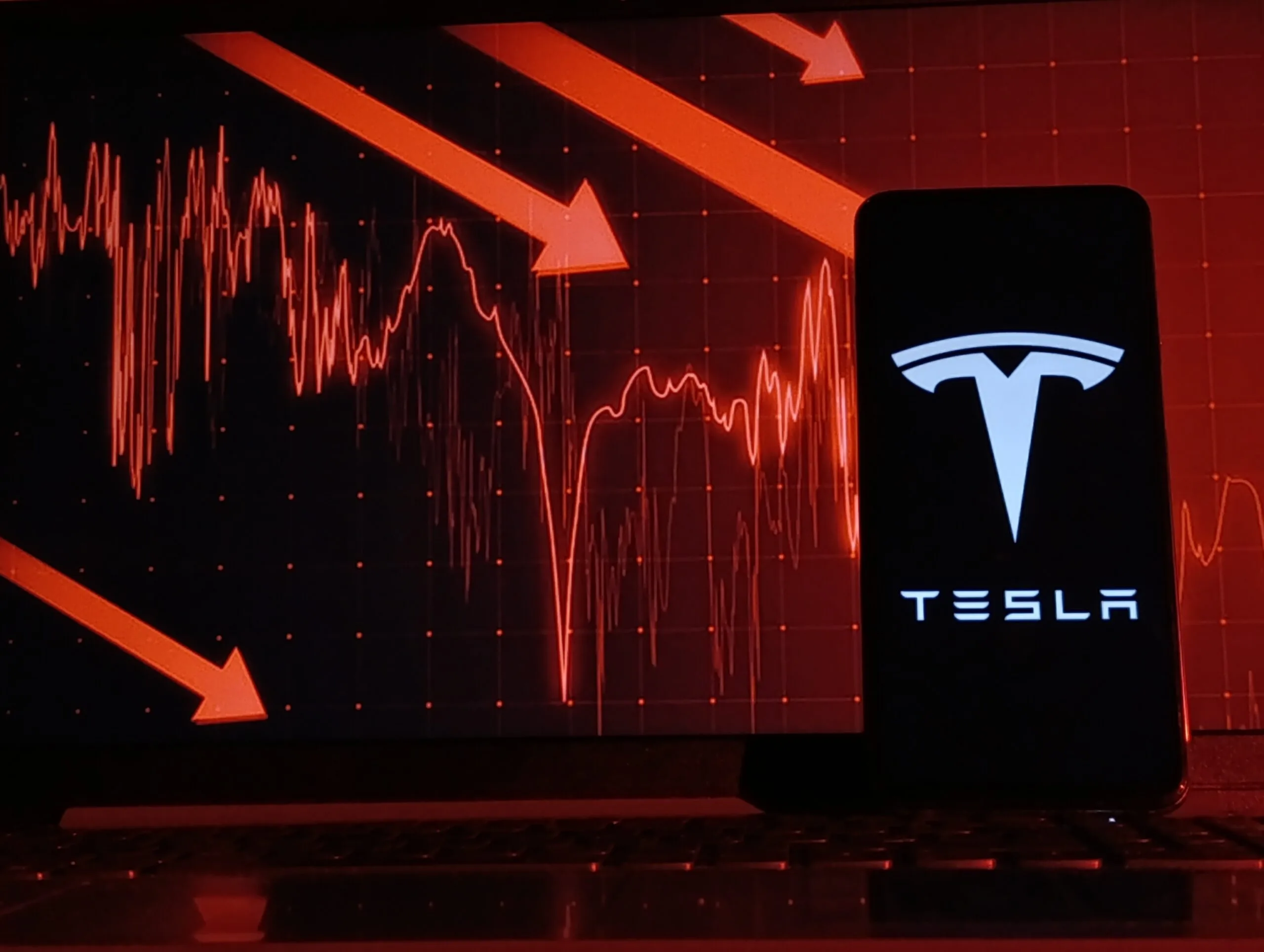
Tesla (TSLA) is trading at about $462.62, which is down 2.65% on the day after a mostly downward intraday trend.
Tesla, Inc., TSLA
Tesla’s stock traded lower as China introduced strict rules that will prohibit electric-only retractable door handles on new vehicles. The move created fresh concern about product safety standards and market access for several global carmakers. The decision also pushed industry attention toward mechanical systems that work without power.
China’s Rule Change Pressures EV Design
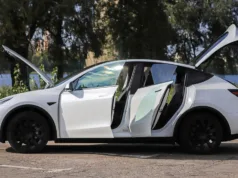
China issued new standards that require all vehicles under 3.5 tons to include mechanical interior and exterior door handles. The rule responds to concerns about power loss and limited access during emergencies, and it forces brands with retractable systems to adjust. The policy will take effect on January 1, 2027.
Regulators said mechanical handles must offer enough hand space and must function regardless of temperature or battery status, and they outlined exact positioning rules. Existing models will receive a transition period to meet parts of the standard, yet new vehicles must follow core requirements immediately. The shift will affect brands that rely heavily on electric-only handle mechanisms.
Tesla uses retractable handles across all current models, and many other EV makers adopted similar designs in recent years. However, China’s directive introduces a major engineering and compliance challenge, and it adds pressure on companies to modify vehicles for the world’s largest auto market. Market reaction reflected these concerns as Tesla’s stock moved down during the day.
Safety Incidents Renew Debate Over EV Door Systems
The rule follows a series of incidents involving retractable handles that reportedly failed during emergencies and created escape difficulties. Officials pointed to cases triggered by crashes, cold weather or sudden power loss, and they argued mechanical releases reduce these risks. First responders also noted issues reaching occupants when handles do not deploy.

Reports linked several fatalities to vehicles with retractable systems, and some cases prompted legal action in other markets. A widely discussed incident involving a Xiaomi electric sedan in 2025 added scrutiny, even though that model included multiple emergency releases. The accumulated attention helped shape China’s final regulatory stance.
Safety agencies in other regions also examine door-handle performance, and future protocols may place greater weight on post-crash usability. Current Australian ratings show strong safety scores for Tesla models, yet the new Chinese standard may encourage broader redesigns. Automakers now face rising pressure to balance styling trends with mechanical reliability.
Global Carmakers Confront New Compliance Demands
The mandate forces Tesla, along with brands such as BYD, Mercedes-Benz and Zeekr, to revise upcoming models for China. Carmakers may need to integrate visible mechanical handles again, and this could influence global design strategies. The shift also signals a regulatory emphasis on simple systems that work under severe conditions.
China remains a core market for EV manufacturers, and compliance there often shapes worldwide product planning. The new rules could increase development costs, but they may also standardize safety expectations across segments. Market reaction reflected uncertainty about redesign timelines and their broader financial impact.