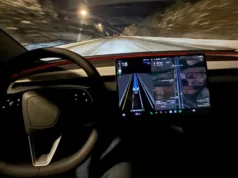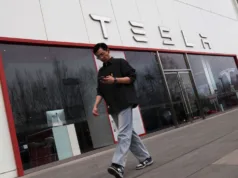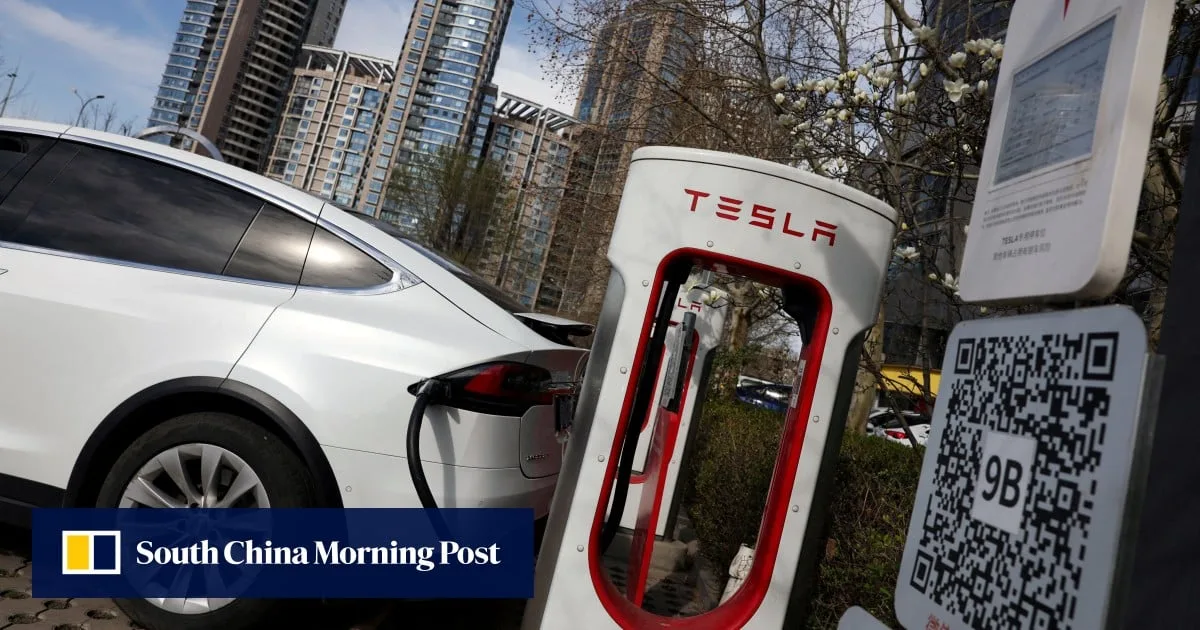
Grace Tao, vice-president of Tesla, told Shanghai-based financial news outlet Cailian on Friday that the centre had sufficient computing power to support development of assisted-driving features. However, she did not disclose details such as the centre’s location or investment size.
Advertisement
“Chinese fans of autonomous driving will benefit from intensified competition between Tesla and its local rivals,” said Yin Ran, an angel investor in Shanghai. “As thousands of L3 cars are likely to hit China’s roads in 2026, a new battle will take shape as all electric-car builders try to deliver efficient and affordable self-driving systems.”
Tesla’s FSD relies on a so-called neural network technology, which is trained using video clips from real driving situations, enabling vehicles to make human-like decisions. The system was regarded as a global leader, according to David Zhang, secretary general of the International Intelligent Vehicle Engineering Association.
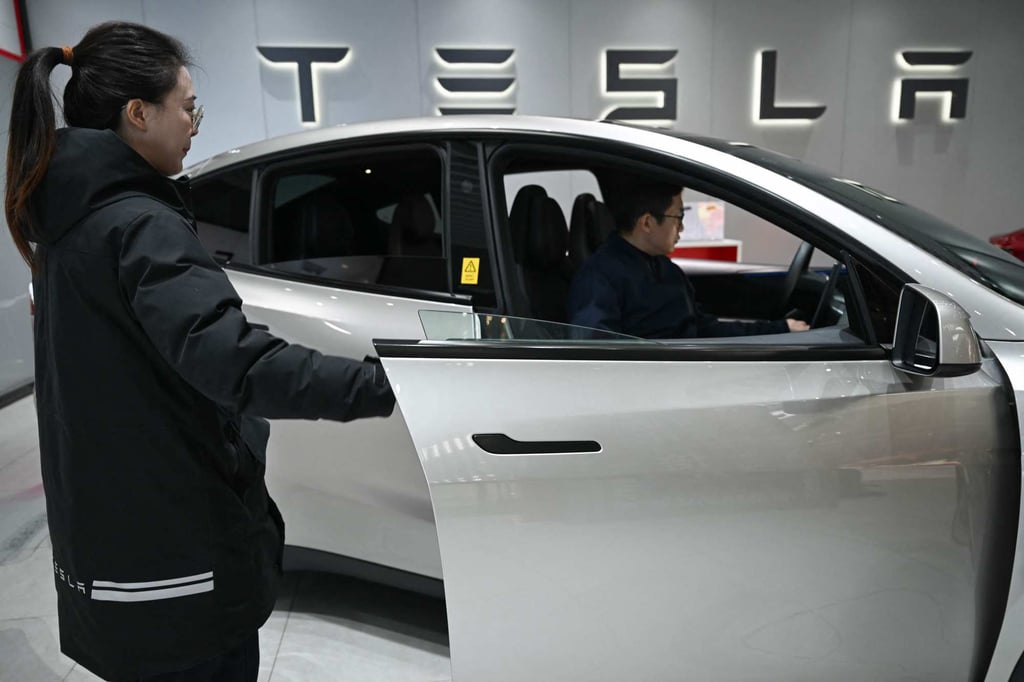
Tesla faces hurdles in China, where it is barred from transferring data collected from Chinese streets to the US, while US rules prevent the company from training its AI software in China.
Advertisement