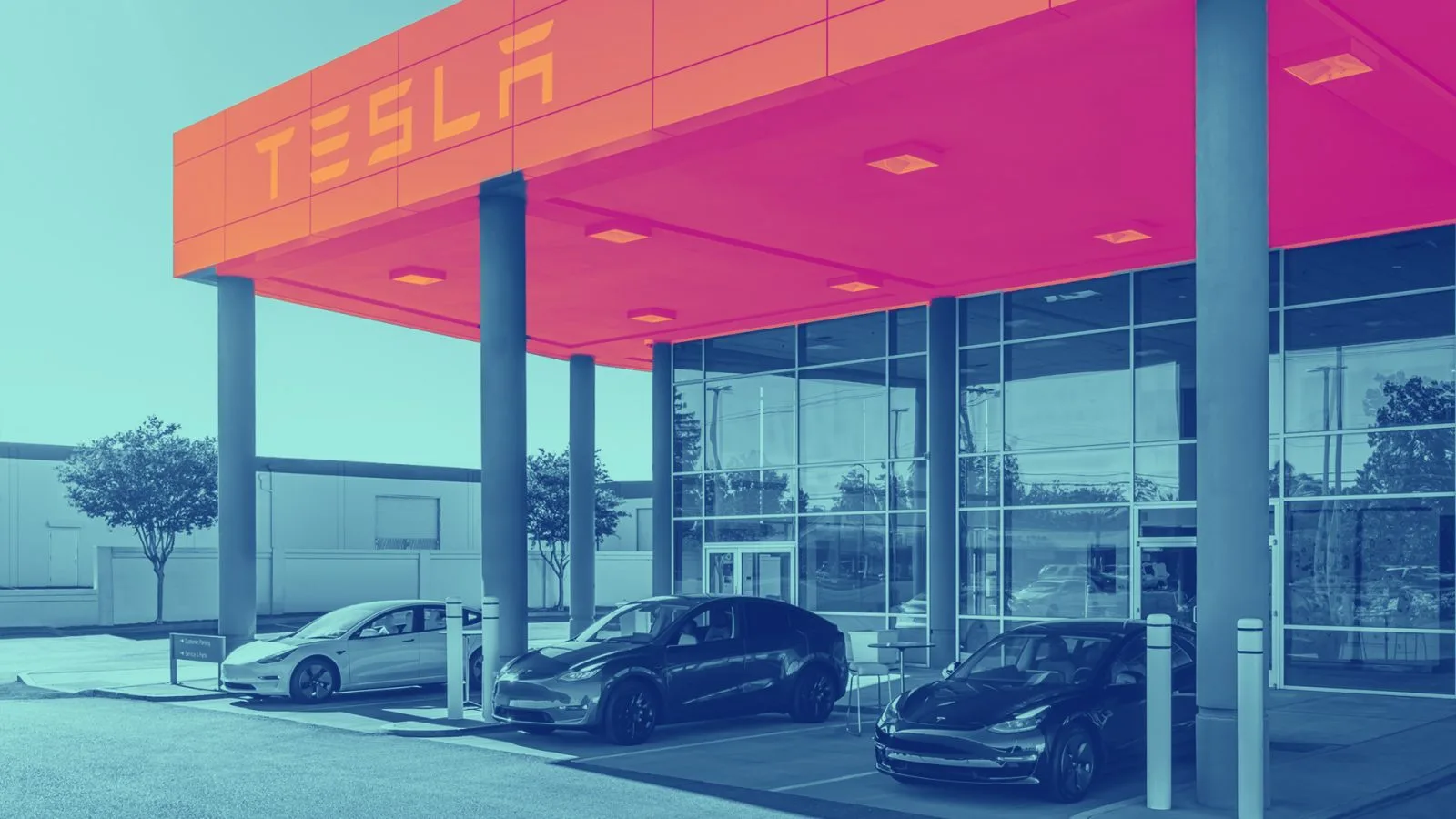

Tesla sold fewer cars for the second year in a row in 2025.
The company’s annual deliveries fell 8.6% to 1.6 million vehicles, according to its investor relations filing, the steepest annual decline in the company’s history.
In Europe, sales dropped 28%, with Germany down 48% and France down 38%. In China, where Tesla faces intense competition from domestic manufacturers, sales hit a three-year low in October.
The sales decline hasn’t affected Tesla’s stock price. Shares reached an all-time high of $489.88 on December 16, and the company remains the world’s most valuable automaker. Investors are betting on Tesla’s autonomous driving and robotics ventures rather than its vehicle sales.
Reality is catching up to Tesla in China, according to Tu Le, founder of Detroit–based consulting firm Sino Auto Insights, who spoke to CNBC. Tesla has relied on price cuts to maintain sales of vehicles that are now four and five years old, but the strategy is no longer working against faster-moving rivals like BYDBYDBYD Auto is a Chinese carmaker that became the world’s leading EV manufacturer in 2023, competing with Tesla for market share and global attention.READ MORE, Xiaomi, and XPeng, he said.
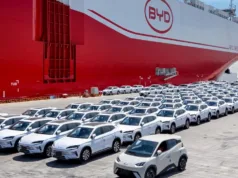
While Tesla’s sales contracted, China’s BYD became the world’s largest EV seller. The company delivered 2.26 million EVs in 2025, a 28% increase from the previous year, outselling Tesla by more than 600,000 vehicles. BYD can’t sell in the U.S., where 100% tariffs block Chinese passenger vehicles.
The gap between the two companies is widest in price-sensitive markets. In July last year, Tesla entered India, where its Model Y sells for about $70,000 due to import duties. BYD operates in 52 countries, offering entry-level models starting at around $10,000 in China.
In Thailand, Southeast Asia’s largest EV market, the top five brands are all Chinese. BYD’s overseas sales surpassed one million vehicles in 2025, up 150% from the previous year.
Tesla has long promised an affordable car priced below $25,000, but the project has been repeatedly delayed in favor of autonomous vehicle development. Without a lower-cost option, the company has struggled to compete in price-sensitive markets.
Tesla has shifted its focus to autonomous vehicles and robotics. Paid robotaxi rides began in Austin in June, and the company plans to begin production of its dedicated Cybercab vehicle in 2026.
Wall Street is buying Elon Musk’s vision of a robotaxi future. The rest of the world is buying BYDs.