On December 15, 2025, China’s MIIT granted its first conditional approvals for Level‑3 (L3) autonomous driving passenger cars, signaling a major development in the nation’s strategy to lead global smart mobility. The approval list included two domestically branded models from Changan Automobile and Arcfox (a BAIC Group unit), both capable of conditional autonomous operation in specific urban and expressway conditions.
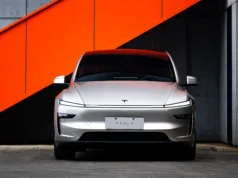
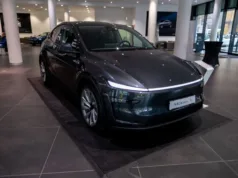
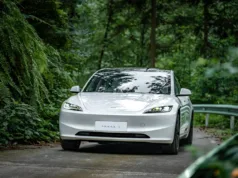
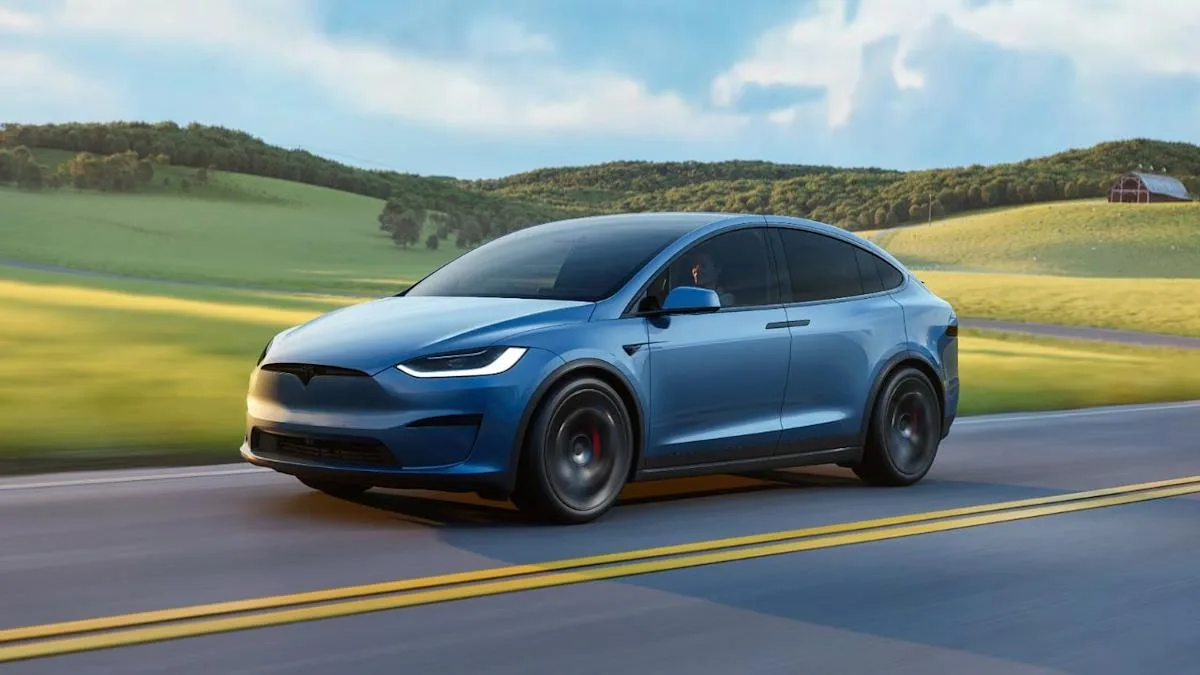
What was not included on the list: Tesla — no Model 3 or Model Y variant from the U.S. EV giant was named, despite Tesla’s long‑standing ambitions and partial autonomous features already operating in China. That omission will immediately become conversation fodder among analysts and industry watchers about whether the decision reflects policy, technology, competitive, or geopolitical pressures.
A Policy Turning Point

Tesla’s technology presence in China is substantial: its Shanghai Gigafactory has produced more than 4 million vehicles, making China one of the company’s most important global manufacturing hubs.
For years, Tesla used China as a testing ground for advanced driver‑assist systems, notably its “Full Self‑Driving” (FSD) suite. But in 2025, Chinese regulators, including MIIT (Ministry of Information and Technology) and the Market Regulation Authority, reclassified and renamed Tesla’s assisted autonomy features to “intelligent assisted driving” (智能辅助驾驶) following a broader push to tighten regulatory clarity around automated systems.
That renaming was itself an early hint at regulatory caution: what’s marketed as automated driving isn’t the same as what meets the L3 regulatory standard, which refers to conditional automation where the system can perform critical driving tasks without continuous human input under defined conditions.
Why Tesla Was Left Off the L3 List

Tesla’s exclusion from the December 15 list can be viewed from multiple fronts. China’s rollout of formal L3 approvals prioritizes systems that comply with its newly codified safety and data standards. MIIT’s protocols require rigorous review of edge‑case behaviors, sensor redundancy, cloud and edge processing, and vehicle‑to‑infrastructure integration. Domestic applicants tailored to these regimes, often involving deep collaboration with Chinese regulators, were ready first.
China enforces strict rules about data storage and governance for connected vehicles; Tesla already stores China‑generated vehicle data locally to stay compliant. But data residency alone doesn’t guarantee regulatory sign‑off on L3 autonomy, especially if the underlying software logic hasn’t satisfied MIIT’s benchmarks.
China’s regulatory posture tightened following high‑profile incidents involving advanced driving systems, including a deadly crash linked to a Chinese competitor’s ADAS system. External analyses suggest regulators are now more exacting about autonomous functions.
By anchoring its first L3 permits to domestic players (Changan and BAIC/Arcfox), China signals strategic support for homegrown brands and an industrial plan that fosters intellectual property development at scale.
Competitive Pressures & Market Reality
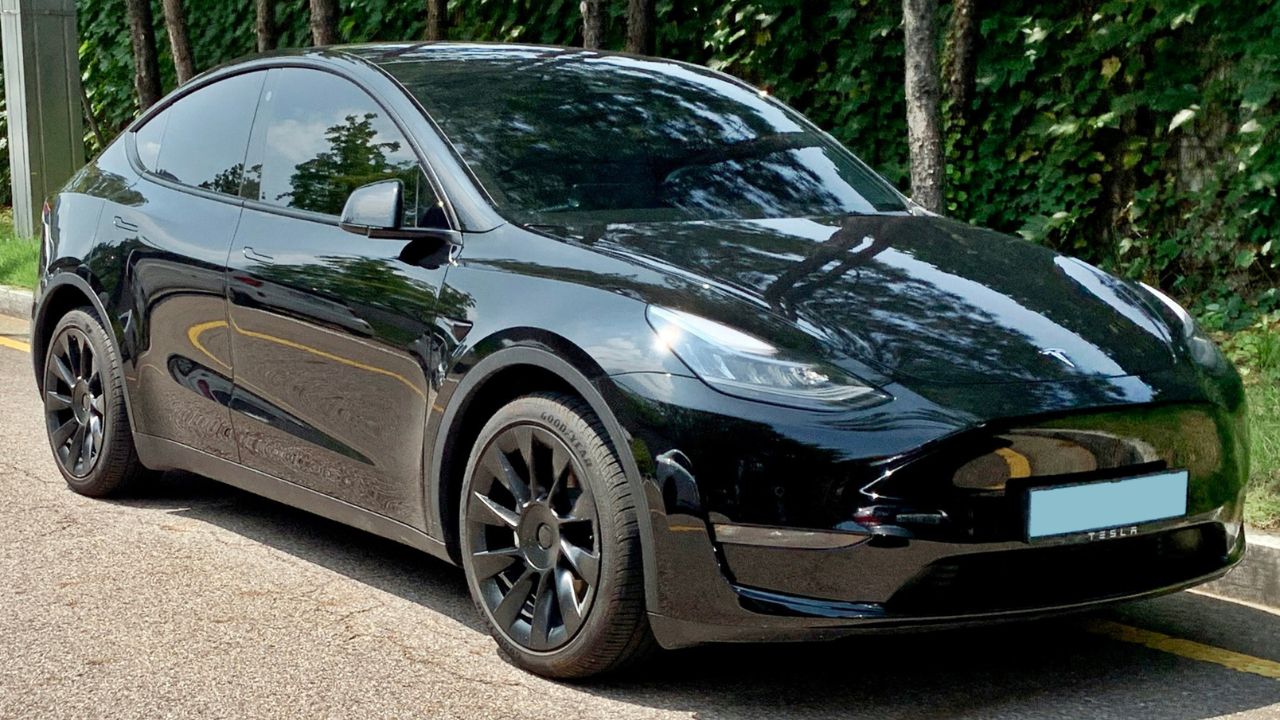
Tesla’s market position in China has faced headwinds this year. Although recent data showed a return to the top 10 in NEV retail rankings, its market share remains modest compared with Chinese incumbents. In October, Tesla briefly fell out of the CPCA monthly top‑10 NEV sales list, a rare absence reflecting intensified competition from BYD, Geely, and others, which have boosted both price competitiveness and local autonomy tech.
Meanwhile, Chinese EV subsidies and tax benefits, once a tailwind for both domestic and installed foreign models, are being phased down as the government shifts toward a more market‑driven EV ecosystem.
Thus, Tesla is competing in a tougher domestic environment, where compelling product features — including autonomous driving — increasingly define leadership.
China’s regulatory calculus also operates against a backdrop of U.S.–China technology competition. On one side, the U.S. government has tightened controls on semiconductors and other advanced tech exports. On the other, China has pursued localized tech ecosystems, from EV supply chains to autonomous systems, under national strategic frameworks like Made in China 2025.
Against that backdrop, the L3 approval “snub” isn’t simply about one company’s tech readiness but about who gets to define the future of mobility standards in China’s emerging autonomous economy.