A small Tanzanian start-up is teaming up with Chinese automakers in an attempt to do something that has proved difficult for e-mobility ventures: building a foothold in the electric vehicle business.
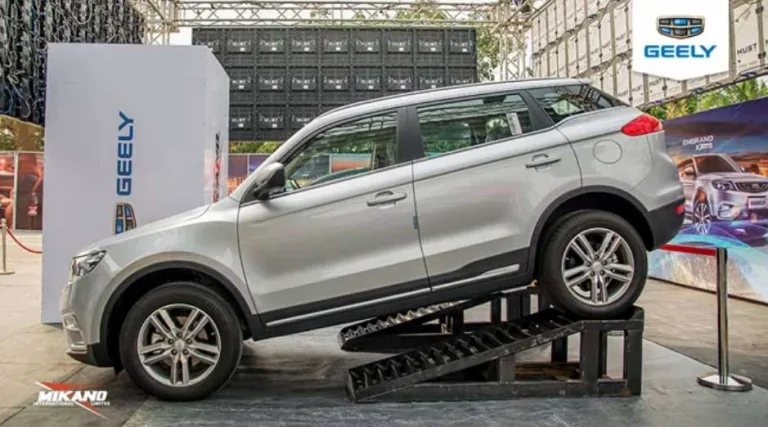
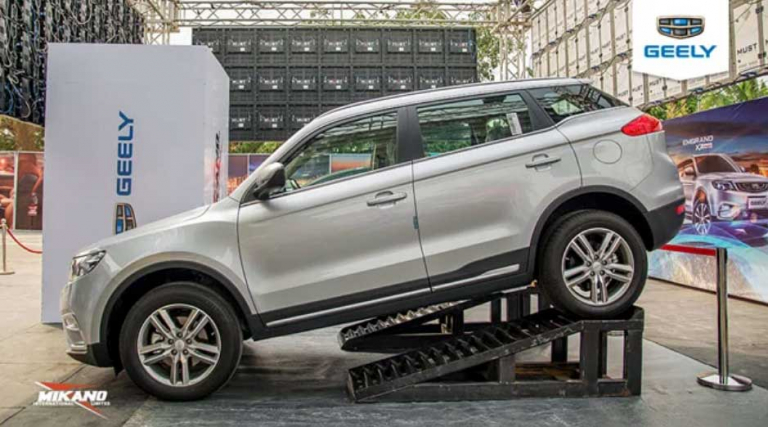
The company, Jenga Taifa Pamoja Auto Limited, is partnering with, among others, Geely, China’s second-largest automaker after BYD, and Dongfeng Motor Corporation to introduce electric trucks, compact cars, and minivans to the Tanzanian market. The company bets that if drivers can see the savings from lower fuel costs, and if the vehicles can eventually be assembled locally, some may be willing to try electric transport even in one of East Africa’s most price-conscious markets.
Cost and Local Conditions Shape the Strategy
With cost sitting at the center of the strategy, Amar Shangavi, the company’s founder and chief executive, says working directly with manufacturers allows the vehicles to be adjusted to Tanzania’s roads and driving conditions.
JTP Auto is also planning to begin assembling electric vehicles in Tanzania within the next two years, working with the Dar es Salaam Institute of Technology. The idea is to bring some of the technical knowledge behind the vehicles closer home and give Tanzanian engineers and technicians a chance to learn the technology firsthand. When some aspects of the electric vehicle production are done locally, costs are reduced, increasing affordability.
China’s Dominant Role in the EV Supply Chain
In Tanzania, as in many other African countries, most electric vehicle parts come from China.
Evan Liu, a supply-chain specialist and co-founder of the Malawian electric vehicle company SGV, says that importing from China is advised by “the reality of global supply chain”.
“From what we’ve seen, Chinese manufacturers and the Chinese market are the only ones that have made billions of dollars of investment in battery production technology and motor production technology and all of the back-end infrastructure to create a good quality product for a relatively affordable price.”
That investment has helped bring down costs in ways few other countries can match, especially for the African market, which has little room for expensive products.
“So you have to be able to deliver a solution for a relatively affordable price. And the other reality is that the Chinese market is the only one that has the production capability and capacity to produce something of relatively good quality and at a reasonable price.”
A New Generation of African EV Startups
JTP Auto, which is majority Tanzanian-owned, wants to build local skills alongside its business. The company is part of a new group of electric mobility start-ups appearing across the continent focusing on assembling vehicles from imported kits, often sourced from China and sometimes from India.
In comparison, Tanzania has moved more slowly than some of its neighbors in building an electric vehicle market. Countries such as Kenya, Ethiopia, Rwanda and Uganda have drawn more investors, helped by clearer policies and stronger demand.
Competition From Global EV Giants
In addition to locally assembling Chinese-sourced kits from various automakers, the world’s largest EV manufacturer entered the Tanzanian market directly and recently opened a brand center in Dar es Salaam. The facility serves as a sales and service hub and reflects the company’s steady but cautious expansion into Africa’s growing electric vehicle markets. BYD does not plan on assembling vehicles in African countries yet.
That presence means local assemblers like JTP Auto will face strong competition from companies with established supply chains and large manufacturing capacity.
Policy Support Could Shape the Industry
To help smaller local firms survive, government policy could play an important role by offering incentives, training programs and support for charging infrastructure, which could help create the conditions needed for a local electric vehicle industry to grow.
For many African countries, manufacturing electric vehicles from scratch remains a distant goal, which leaves them importing assembly kits and working with established manufacturers as the most practical starting point for joining the industry.
For Tanzania, JTP Auto’s effort could become an early test of whether a local electric vehicle business can take root. If it succeeds, it may not only bring more affordable electric transport to the market but also open the door to new jobs and technical skills transfer for the country’s automotive sector.