Etiqueta: taxes
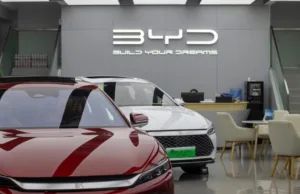
Tesla Rival BYD Could Bring Its Japanese ‘Kei’ Car To Europe

Tesla rival BYD's compact Racco EV could enter the European market if EU regulations permit new E-car category.
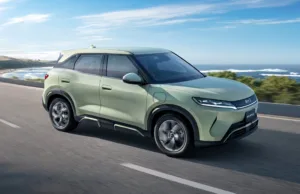
BYD ATTO 1 & ATTO 2 Bring EV Price Parity to...
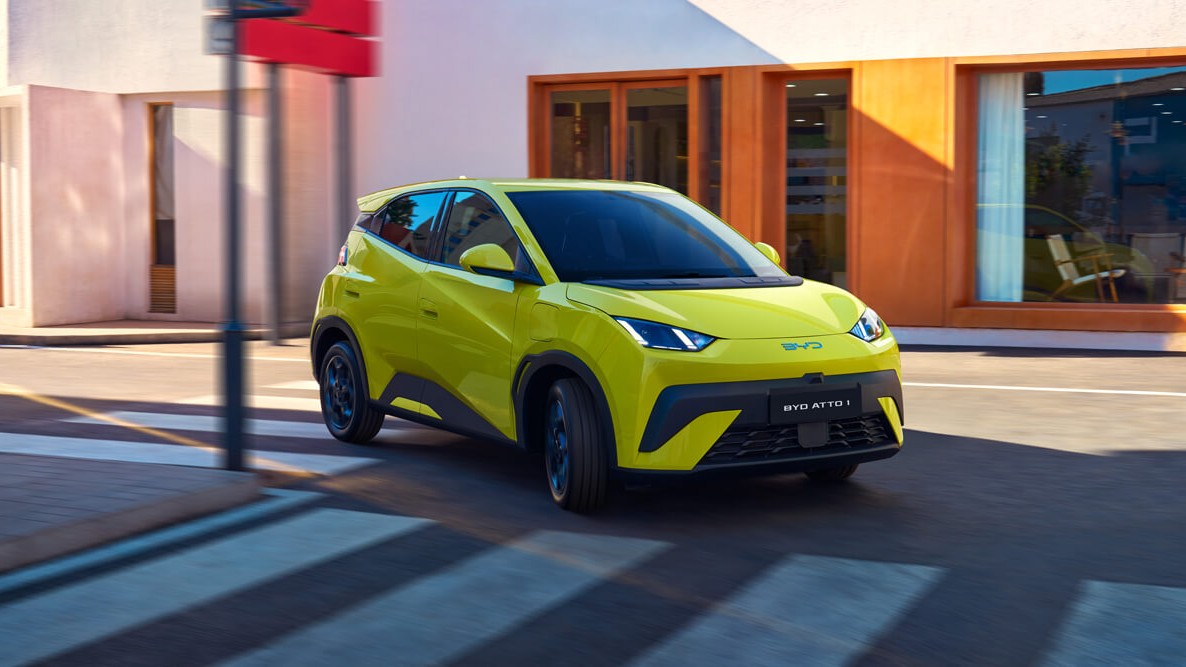
BYD recently launched the Atto 1 (aka, Seagull/Dolphin Surf/Dolphin Mini) in Australia, starting at $23,990 AUD ($15,661 USD). This makes is the least expensive EV in Australia. Of note, that does not include on the road cost, but it prices the car between the Suzuki Swift and Toyota Yaris when the taxes are added in.In addition, BYD also launched the Atto 2 (aka, Yuan Up/Yuan Pro), at a starting price of $31,990 AUD ($20,884 USD). The price of this small SUV also falls between the Suzuki Fronx and Toyota Yaris Cross for drive away price.Image Credit: BYDOverall, the BYD cars are a little larger and seem to be better equipped. Legacy ICE vehicles no longer have a price advantage in Australia. I would expect BYD to follow similar pricing strategy on their upcoming product launches. And I expect other companies to follow their lead.EVs being priced at parity with comparable gasoline vehicles has significant implications. The price justification for buying an ICE car goes away. Not just for overall cost of ownership, but also for up-front cost. People can make purchase decisions based on what fits their needs and preferences, not just their budgets.

China ends full EV tax exemption in 2026, dealerships report year-end...
China’s EV purchase-tax moves from full exemption to half on 1 Jan 2026, driving a late-year consumption surge.
The post China ends full EV tax exemption in 2026, dealerships report year-end sales rush appeared first on CarNewsChina.com.
How buy-European rules can help save Europe’s car industr
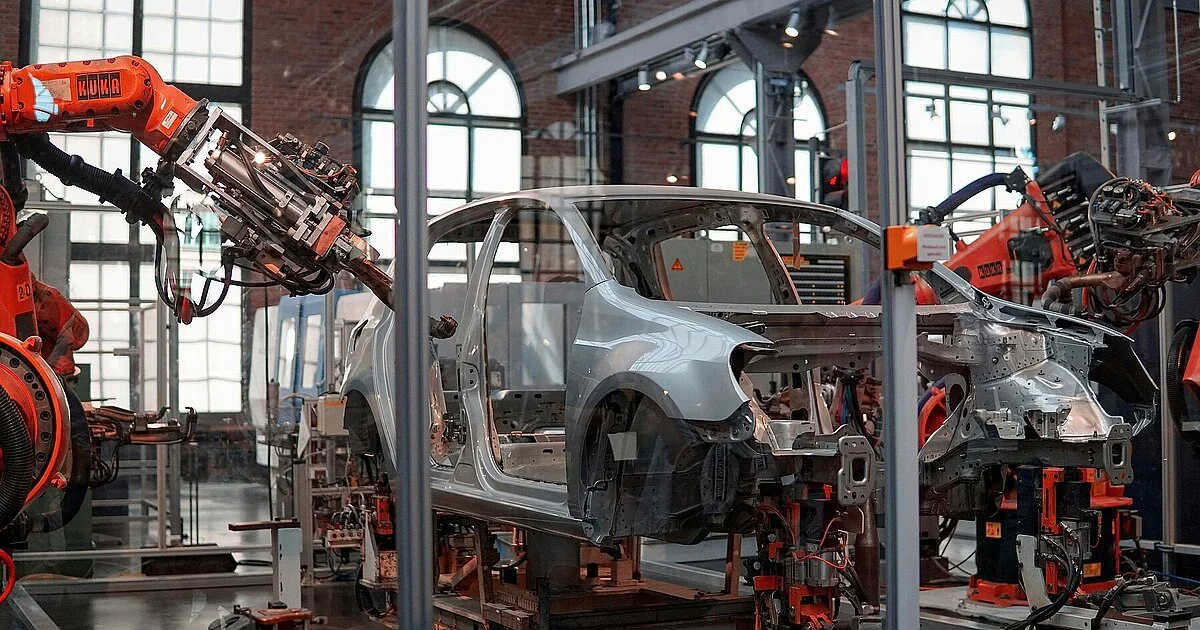
Europe’s car industry faces a perfect storm. Chinese car exports are surging, European producers are being squeezed out of global markets, US tariffs are rising, and domestic demand remains 20% below pre-pandemic levels. Instead of sliding into a costly muddle of regulatory rollbacks, bailouts, and fragmented national subsidies, the EU should harness its single market - 450 million consumers and a vast corporate sector - to drive demand for Europe-made vehicles. That means co-ordinating consumer subsidies with a buy-European clause, applying it to both private and corporate fleets, and using it as a platform for reciprocal EV-subsidy agreements with trusted trade partners. A window for action is open: Germany, France, Italy, and Spain all need to renew their EV-support schemes in the coming months. Together, they represent 70% of EU car registrations—and could launch broader European coordination.