Etiqueta: ICE

Fortescue Delivers Large Scale BYD Battery Energy Storage System To North...

Fortescue Ltd ASX:FMG:
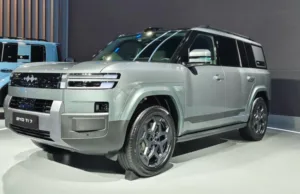
BYD Ti7 plug-in hybrid SUV debuts in Thailand as a new...
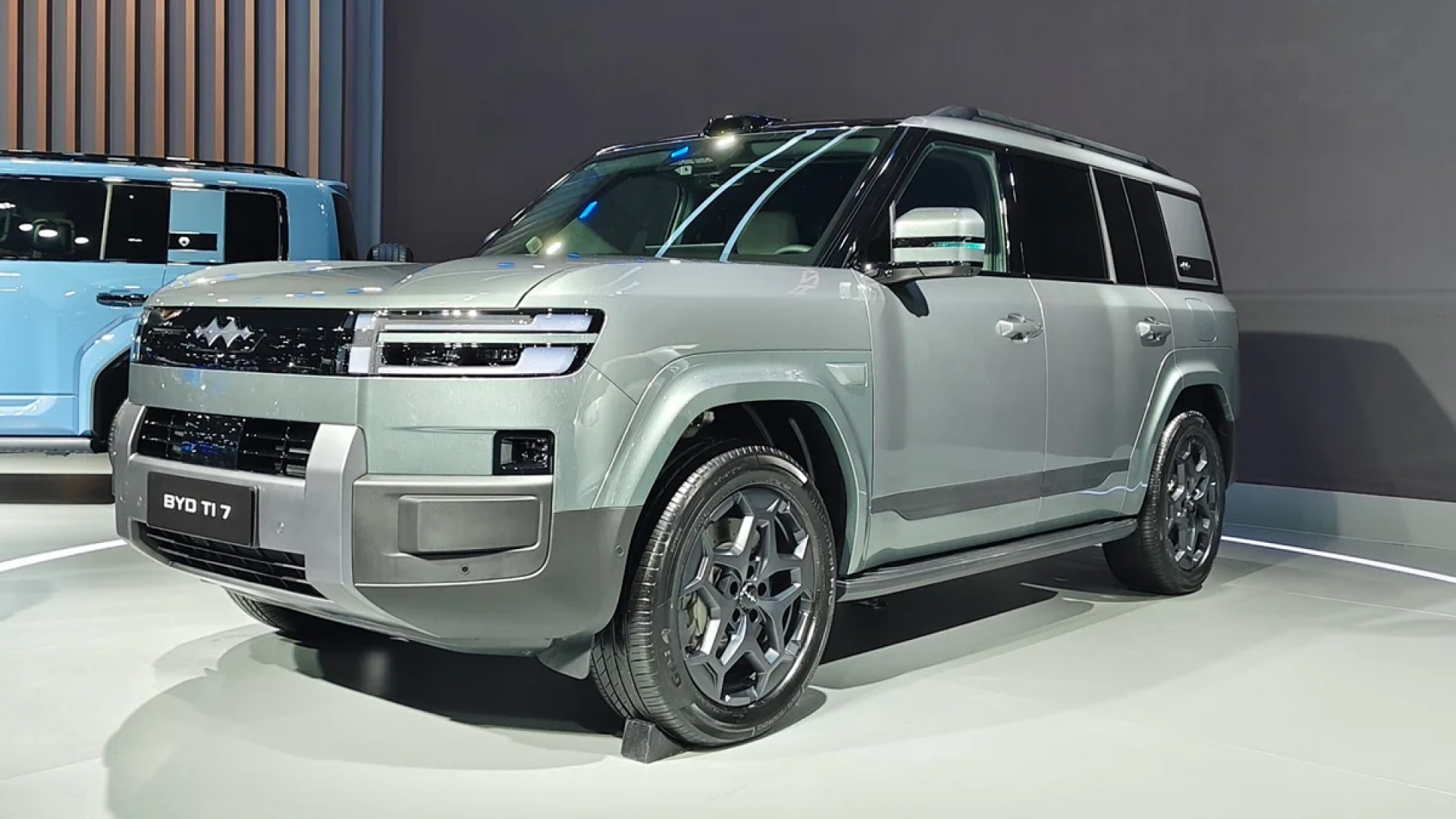
The BYD Ti7 plug-in hybrid family-oriented SUV debuts at the Bangkok Motor Expo 2025 in Thailand as the brand’s new global model.
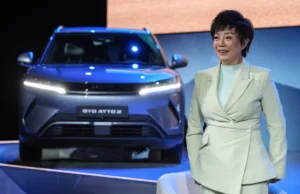
BYD comments European market debut of the new Super Hybrid ATTO...
Stella Li (BYD): “With ATTO 2 DM-i we will Beat everyone”...

GWM plans 300,000-unit Europe plant to counter BYD’s rapid local expansion
GWM speeds up European strategy, assessing Spain and Hungary for a full-vehicle factory planned to reach 300,000 units annually.
The post GWM plans 300,000-unit Europe plant to counter BYD’s rapid local expansion appeared first on CarNewsChina.com.
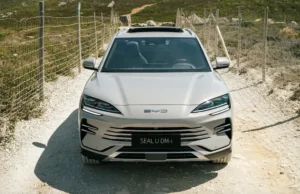
BYD Considers Portugal for Third Car Factory in Europe

BYD is currently considering Portugal for its third European factory, as part of the automaker’s strategy to produce locally and avoid tariffs on vehicles imported from China.
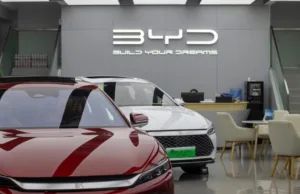
Tesla Rival BYD Could Bring Its Japanese ‘Kei’ Car To Europe

Tesla rival BYD's compact Racco EV could enter the European market if EU regulations permit new E-car category.
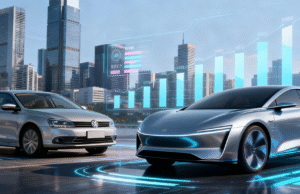
China’s October car market splits between price-cut sedans and tech-driven EVs...
Consumer attention in October shifted toward high-tech EVs, while combustion brands relied on price strategies to maintain visibility.
The post China’s October car market splits between price-cut sedans and tech-driven EVs as attention rankings shift appeared first on CarNewsChina.com.
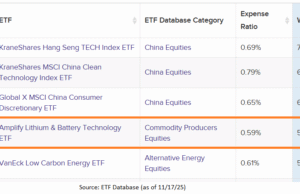
An EV Maker Not Named Tesla Can Drive This Lithium ETF

BYD is a name more investors should be familiar with, and one of the top ETFs with exposure is the Amplify Lithium & Battery Technology ETF.
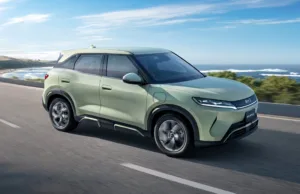
BYD ATTO 1 & ATTO 2 Bring EV Price Parity to...
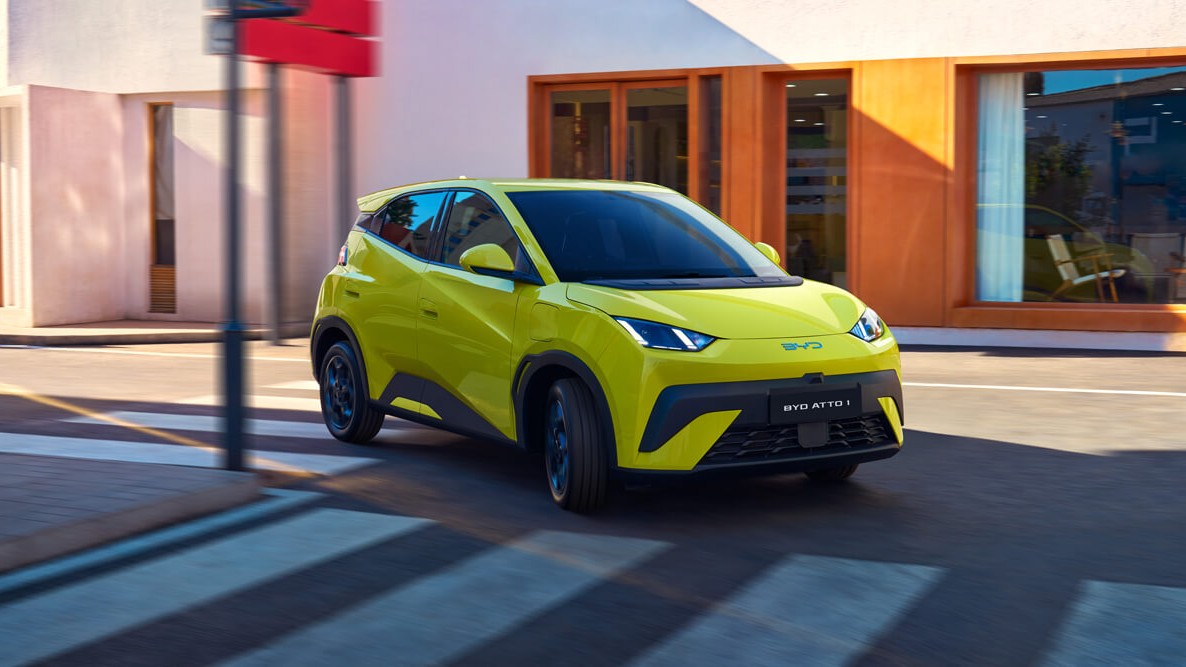
BYD recently launched the Atto 1 (aka, Seagull/Dolphin Surf/Dolphin Mini) in Australia, starting at $23,990 AUD ($15,661 USD). This makes is the least expensive EV in Australia. Of note, that does not include on the road cost, but it prices the car between the Suzuki Swift and Toyota Yaris when the taxes are added in.In addition, BYD also launched the Atto 2 (aka, Yuan Up/Yuan Pro), at a starting price of $31,990 AUD ($20,884 USD). The price of this small SUV also falls between the Suzuki Fronx and Toyota Yaris Cross for drive away price.Image Credit: BYDOverall, the BYD cars are a little larger and seem to be better equipped. Legacy ICE vehicles no longer have a price advantage in Australia. I would expect BYD to follow similar pricing strategy on their upcoming product launches. And I expect other companies to follow their lead.EVs being priced at parity with comparable gasoline vehicles has significant implications. The price justification for buying an ICE car goes away. Not just for overall cost of ownership, but also for up-front cost. People can make purchase decisions based on what fits their needs and preferences, not just their budgets.
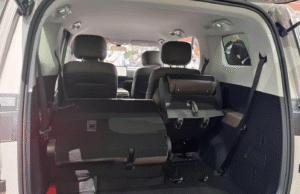
SGMW’s Xingguang 730 launched: China’s most affordable MPV offers multiple powertrains
SAIC-GM-Wuling's Xingguang 730 MPV arrives with hybrid, EV, and gasoline options.
The post SGMW’s Xingguang 730 launched: China’s most affordable MPV offers multiple powertrains appeared first on CarNewsChina.com.