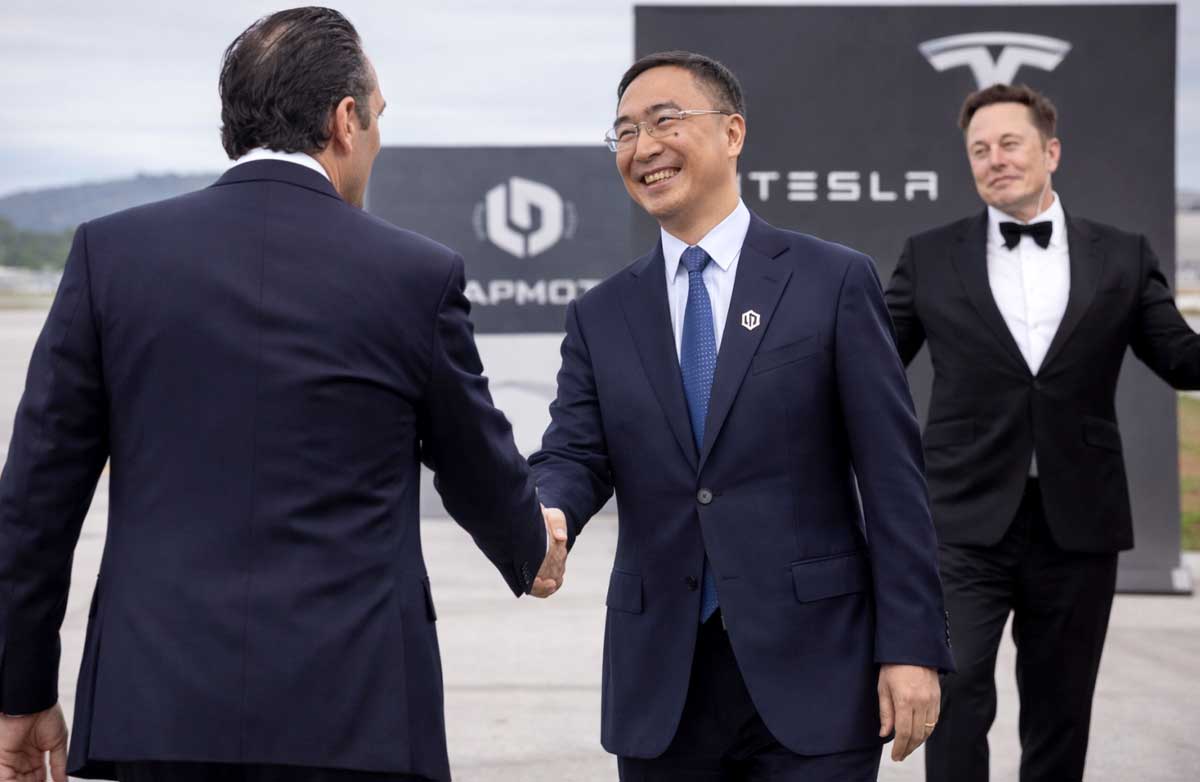
Stellantis changes course. Discreetly, but with major consequences. The group headed by Antonio Filosa is no longer part of the European pool of CO₂ credits piloted by Tesla. A withdrawal that is far from symbolic: it marks the end of a structural dependence on the American automaker’s carbon credits, at the very time when European regulations are becoming stricter than ever.
End of a historic partnership
The document published by the European Commission on February 27 is clear: Stellantis is leaving the grouping led by Tesla, in which Ford, Suzuki, Mazda and Honda remain. Even Toyota, historically cautious and a strong performer in hybrids, has left the scheme.
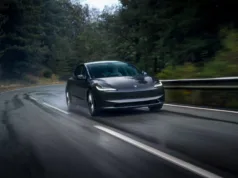
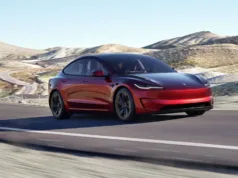
These “pools” enable manufacturers whose fleets exceed European emissions thresholds to buy credits from 100 % electric players like Tesla. Since January 1, 2025, the imposed average has been lowered to around 93 g/km CO₂. The penalty is fearsome: 95 euros per excess gram and per vehicle sold. The potential amounts run into billions.
In recent years, Stellantis had made extensive use of Tesla loans to avoid the worst. Exposure was massive, particularly in Italy, where Fiat remained heavily dependent on thermal power. Without regulatory easing, the 2025 bill could have exceeded 800 million euros on the Italian market alone. Today, the group believes it can do without them.
A calculated industrial gamble
This withdrawal means one thing: Stellantis believes he can approach, if not achieve, European objectives on his own. Or rather, thanks to a new strategic ally. That ally is Leapmotor.
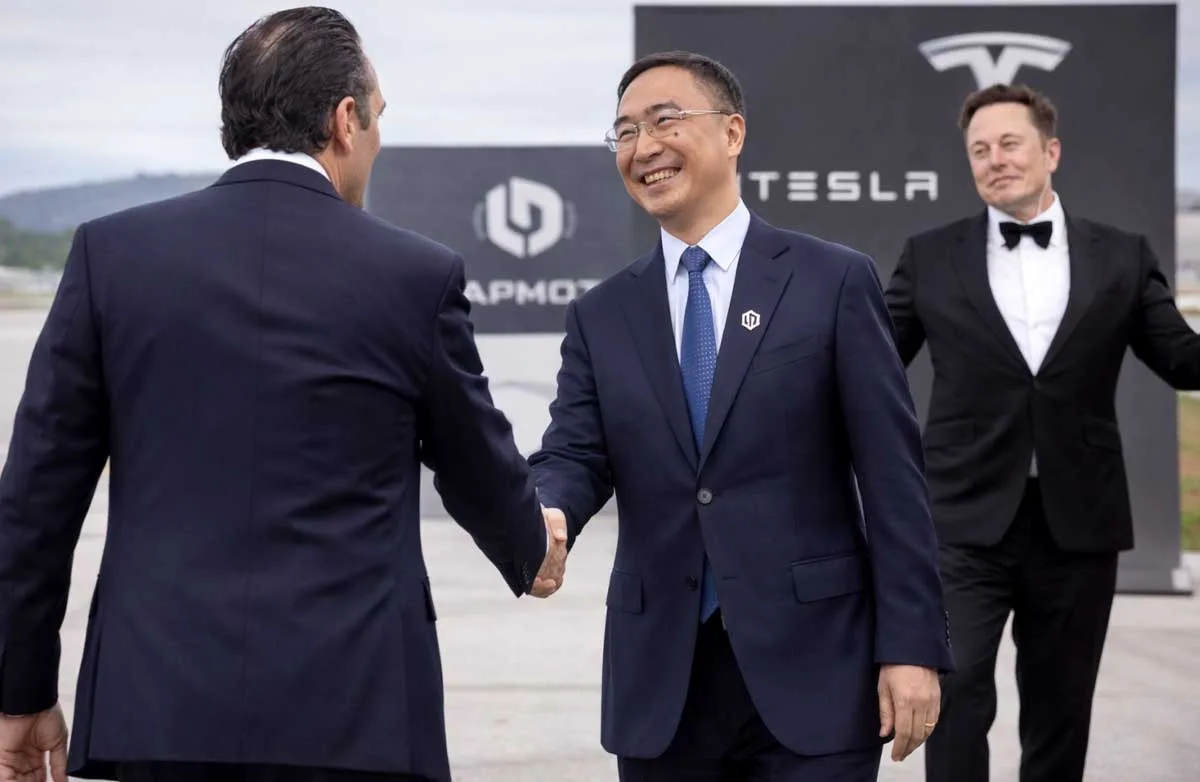
Long perceived as just another Chinese brand, Leapmotor has become a central tool in the Group’s regulatory architecture. Stellantis owns 19 of the manufacturer’s %s, and is now preparing its massive roll-out in Europe.
Local production in Zaragoza, Spain, changes the game completely. By assembling Leapmotor models in Europe, Stellantis avoids customs duties, makes the cars eligible for national bonuses and, above all, fully integrates their volumes into its average emissions calculation. This is no longer commercial cooperation. It’s a regulatory strategy.
Leapmotor is already compensating for Fiat’s weaknesses
The first figures for 2026 in Italy are revealing. According to Dataforce, Fiat posted an average of 116.2 g/km against a target of 99.5 g/km for the first two months of the year. The result: 66.1 million euros in theoretical penalties already accumulated.
But at the same time, Leapmotor’s Italian registrations, driven in particular by the T03, which leads the BEV segment, generated 57.5 million euros in theoretical credits. More than BYD, more than Tesla in some segments. In other words, Leapmotor almost fully offsets Fiat’s “CO₂ deficit” in Italy. This mechanism could be multiplied on a European scale.
Towards 2 billion euros in annual savings?
The reasoning is purely mathematical. If the Spanish plant eventually achieves 200,000 Leapmotor electric vehicles a year, Stellantis could generate nearly 1.8 to 2 billion euros in penalties avoided each year.
In 2027, with 40,000 units, the effect would still be limited. In 2028, with 80,000 vehicles, the impact would already be significant. But by 2030, if maximum output is achieved, Leapmotor could become the Group’s real financial buffer in the face of European regulations.
This choice enables Stellantis not to abruptly transform all its brands such as Fiat, Peugeot, Citroën, Jeep or Alfa Romeo into 100 % electric manufacturers overnight. The Group is offsetting emissions from combustion models with a massive volume of zero-emission vehicles under the Chinese banner. A pragmatic and highly effective approach.
Another problem for Elon Musk
For Elon Musk, the news is less encouraging. Regulatory credits represent a historic source of revenue for Tesla. The departure of Stellantis and Toyota reduces the number of major buyers.
Against a backdrop in which Tesla has already warned that revenues from CO₂ credits will be falling in 2025, this development adds to the pressure on margins. Especially as environmental deregulation in the US is also reducing opportunities in the US market.
In reality, this withdrawal from the Tesla pool symbolizes a more profound change. Stellantis no longer wants to depend on a competitor to manage its regulatory risk. The group is now building its own source of CO₂ credits.
The Chinese strategy is already having an impact. What appeared until recently to be simple industrial diversification could become one of the group’s most powerful financial levers in Europe. Stellantis is not only turning its back on Tesla. He’s redesigning his business model in the face of Europe’s climate constraints.
And this time, the savior doesn’t come from California, but from China.