

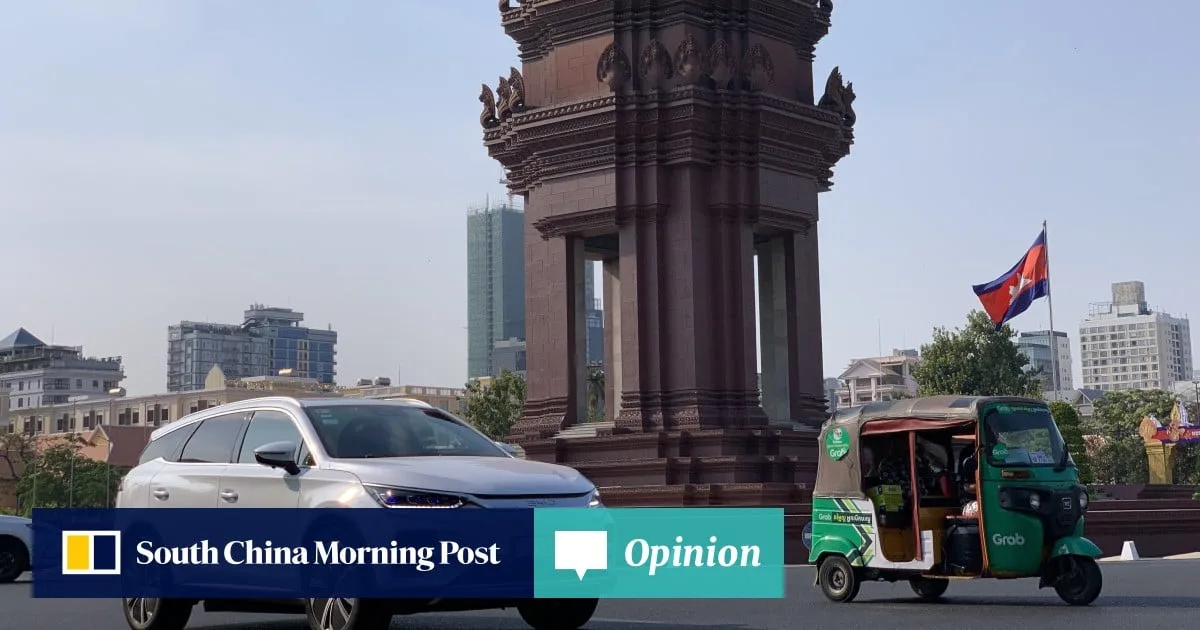
China’s BYD has pulled ahead of Tesla, becoming the world’s biggest maker of fully electric vehicles (EVs). The shift reflects more than the fortunes of the two companies. Tesla’s dethroning shows how China’s EV sector, built around dense supplier networks, fast iteration and strong policy support, is setting the pace for the rest of the world.
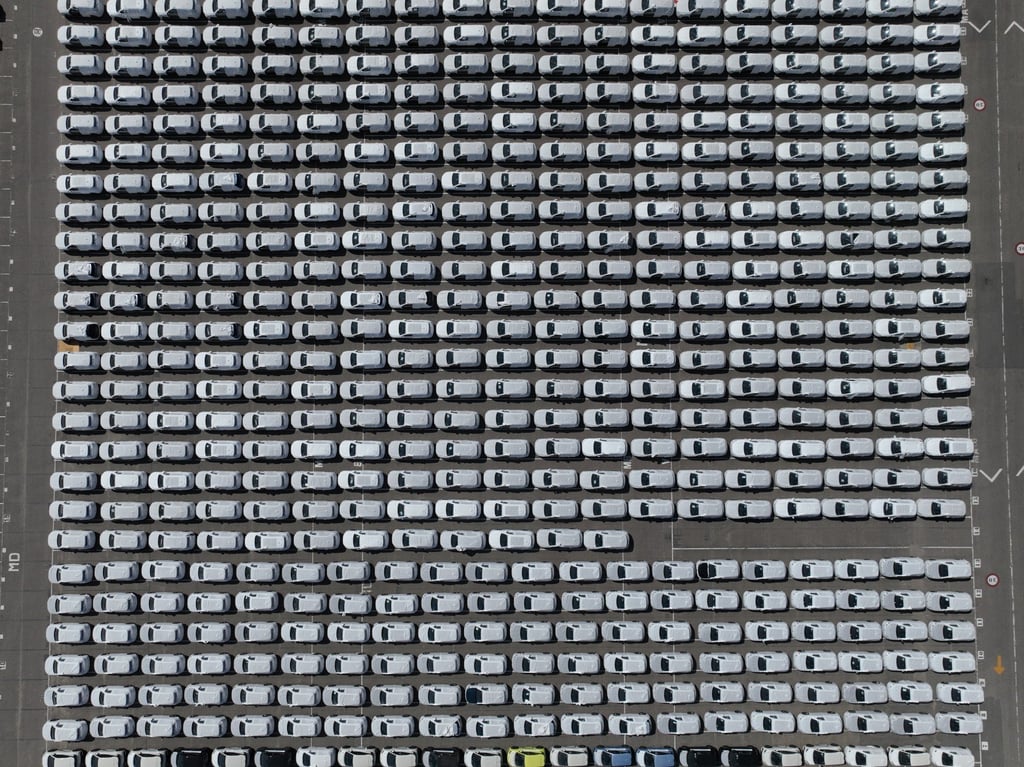
The shift is even more notable considering that BYD was barely known outside China a decade ago. Now BYD is outpacing its competitors, delivering more than 595,000 battery EVs in the fourth quarter last year to outstrip Tesla’s 495,000.
The timing of the US carmaker’s dethroning matters. Chinese EV makers face steep tariffs in the United States and other parts of the West, leaving little room to sell there, but they are gaining footholds in markets such as South Africa and Brazil. That BYD has pulled ahead despite these barriers shows how resilient China’s system has become.
Advertisement
Tesla’s latest results, out last week, underlined the shift. Its revenue fell 3 per cent year on year in 2025, the first drop in annual revenue in its history, highlighting how the EV market is tilting towards China.
What explains BYD’s lead? It has pulled ahead of Tesla largely because it is organised to operate at a vast scale. The Chinese group has taken control of core parts of the EV supply chain, including mines, batteries and chips, which gives it an unmatched speed in the design and build of its cars. The vertically integrated model means BYD can bring new models to market faster and slash production costs, keeping prices lower than its rivals.
Advertisement
BYD can lower the price of its cars without squeezing its margins because of its lean cost base. This pricing advantage has come into sharper focus as the EV market matures beyond niche early adopters to more mainstream buyers. For the mass market consumer, lower prices are king, mattering far more than the premium features some legacy carmakers use to justify their higher EV prices.



![Autonomous, battery-swap mining truck gets big-buck boost from BYD [video]](https://automundochina.com/wp-content/uploads/2026/02/autonomous-battery-swap-mining-truck-gets-big-buck-boost-from-byd-video-100x75.webp "Autonomous, battery-swap mining truck gets big-buck boost from BYD [video]")
