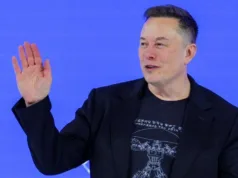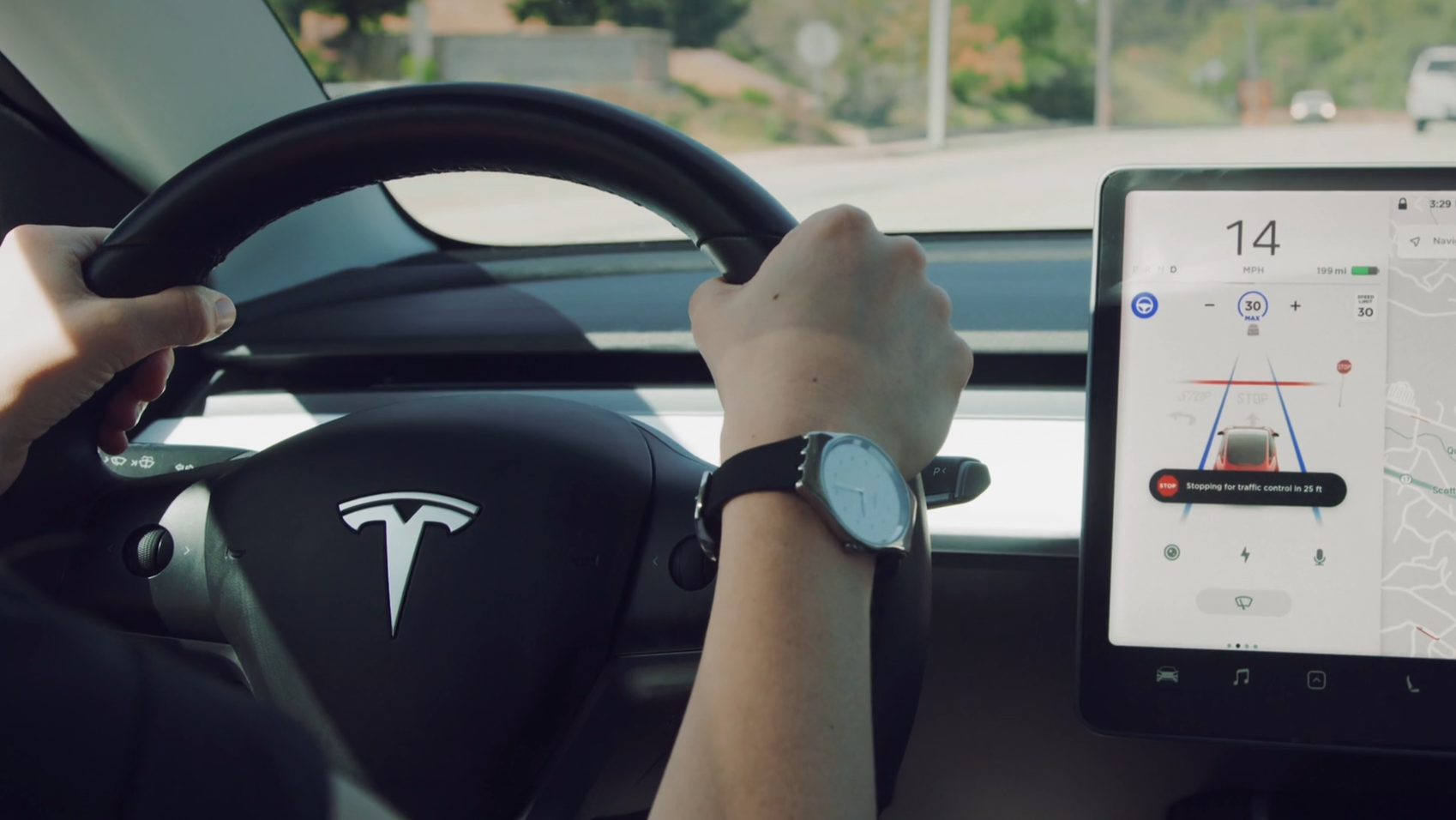

Tesla Chief Executive Elon Musk announced during his first-ever appearance at the World Economic Forum in Davos that he expects his company to receive regulatory approval for Full Self-Driving (FSD) in Europe and China by next month. If it pans it, the development would mark a significant step forward in the electric vehicle maker’s efforts to diversify its income sources beyond the traditional vehicle sales model.
“We hope to get Supervised Full Self-Driving approval in Europe, hopefully next month, and then maybe a similar timing for China,” Musk announced. His comments were part of a wider conversation with Blackrock Chairman Larry Fink. He also touched on the company’s plans to deploy humanoid robots during 2026, claiming the robots were already doing “simple tasks” in Tesla factories. He added that “they’ll be doing more complex tasks and be deployed in an industrial environment” later in the year and ideally go on sale to the general public in 2027. Tesla shares rose by approximately 1.5% in the hours after his comments.
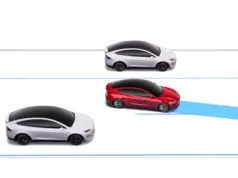
The efficacy of FSD remains a contentious subject for some autonomous driving experts due to its reliance on camera vision without LiDAR, radar or other sensor types. In complex driving situations, or in inclement weather, this can substantially limit its reliability. The technology is still graded at SAE Level 2, requiring drivers to remain attentive at all times with their hands on the wheel and eyes on the road.
Tesla faces substantial regulatory hurdles in Europe where the United Nations Economic Commission for Europe sets vehicle autonomy rules for the entire EU. The company is pursuing approval through the Netherlands Vehicle Authority RDW, which indicated in November it expects to decide in February, with other EU countries potentially recognising the exemption ahead of formal bloc-wide clearance.
China’s regulatory challenges centre on data sovereignty and national security concerns over high-precision mapping information. Tesla received partial approval in June 2025 for Navigate on Autopilot and Auto Lane Change features on specific roads in Beijing and Shanghai, while storing all Chinese vehicle data in Shanghai-based centres.
The automaker also partnered with Baidu for lane-level mapping to comply with prohibitions on foreign companies conducting independent mapping operations within China. Last year, it was compelled to change its name from FSD to Intelligent Assisted Driving due to stricter regulations governing how smart driving systems are marketed.