Mercedes-Benz has initiated development of a new electric vehicle platform in China using Geely‘s electrical architecture, according to exclusive information obtained by Chinese media 36Kr.
For the first time in Mercedes-Benz’s 130-year history, the company has handed independent development authority for a new vehicle platform to a research centre outside Germany. The German luxury automaker’s Chinese R&D centre will now serve as the global headquarters for compact vehicle development, while the German development centre will focus on mid-size and large vehicles.
Industry sources quoted by 36kr reveal that Mercedes-Benz has launched a new platform codenamed “Phoenix,” which will support entry-level electric vehicles globally. This platform, initially planned to enter production around 2030, will incorporate Geely’s GEEA electrical architecture. When completed, it will replace Mercedes’ current MMA platform and produce compact models, including A-Class, B-Class, GLA, GLB, and CLA vehicles for worldwide markets.

According to 36kr, Mercedes-Benz management has been frequently visiting Geely’s Hangzhou Bay R&D Centre since late January. The two automotive giants are negotiating a collaboration at the level of vehicle electronics and electrical architecture.
The electronic and electrical (EE) architecture forms the foundation for intelligent, digital, and connected vehicles, supporting advanced driving assistance systems and smart cockpits. It represents what many automakers consider the “soul” of modern intelligent vehicles.
Sources indicate that Mercedes-Benz is currently conducting proof-of-concept verification based on Geely’s GEEA 4.0 architecture, which is designed for both traditional and electric vehicles. The GEEA 3.0 architecture, which debuted in Geely’s Galaxy E5 model in 2024, has already supported sales volumes of over one million units.
Sources close to Mercedes-Benz revealed to 36Kr that “over the past 1-2 years, Mercedes has been studying China’s cost-saving magic in automobile manufacturing.” Cost reduction appears to be a primary objective behind this strategic decision.
Late last year, Mercedes-Benz CEO Ola Källenius held multiple meetings with senior executives to discuss the company’s future strategic direction. “How to reduce costs and achieve profitability was the core topic,” an insider told 36Kr.
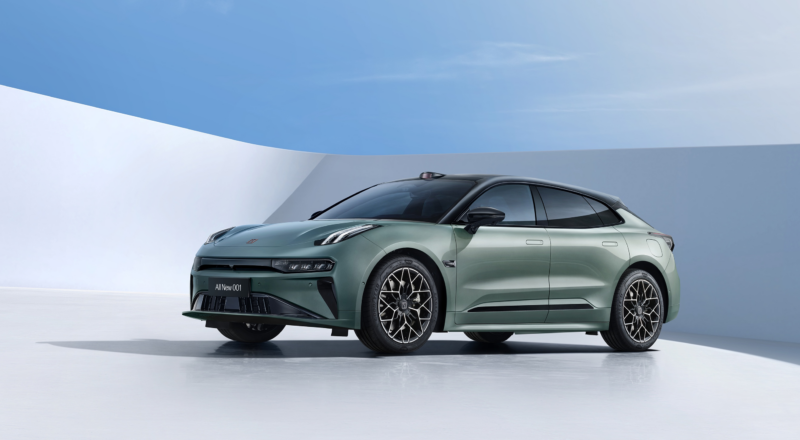
Mercedes-Benz has reportedly been impressed with Chinese automotive engineering. After conducting a comprehensive teardown study of Zeekr 001 (a Geely Group brand), Mercedes engineers acknowledged the vehicle’s technical quality while noting its significantly lower cost compared to Mercedes vehicles.
This collaboration reflects a growing trend where global automakers seek Chinese technological expertise in the intelligent electric vehicle sector.
Previously, Volkswagen partnered with Xpeng, Stellantis joined forces with Leapmotor, and Renault collaborated with Geely. Ford is also reportedly discussing potential cooperation with Geely on autonomous driving systems and intelligent connectivity software.
This reverses the traditional “market for technology” dynamic that characterised China’s automotive industry for decades. Now, Chinese companies are exporting core technologies to global automotive giants who are struggling with software development for electric and intelligent vehicles.

Follow us for ev updates