Support CleanTechnica’s work through a Substack subscription or on Stripe.
Lotus Cars will become the first Chinese-built car brand to sell EVs in Canada under the new tariff framework, according to a report by CarNewsChina.
The publication reported that Lotus is preparing to export electric vehicles to Canada once the Canadian government releases the final implementation guidelines for a tariff arrangement that would allow a quota of Chinese-built EVs to enter the country at a reduced 6.1% tariff.
“We will be the first Chinese brand to enter Canada (under the new tariff),” Lotus CEO Feng Qingfeng stated in the report. From March 1 until August 31, the Canadian government will allow up to 24,500 electric vehicles (EVs) from China to enter the country at the 6.1% tariff agreed to by Canadian Prime Minister Mark Carney and China’s Presdient Xi Jing Peng.
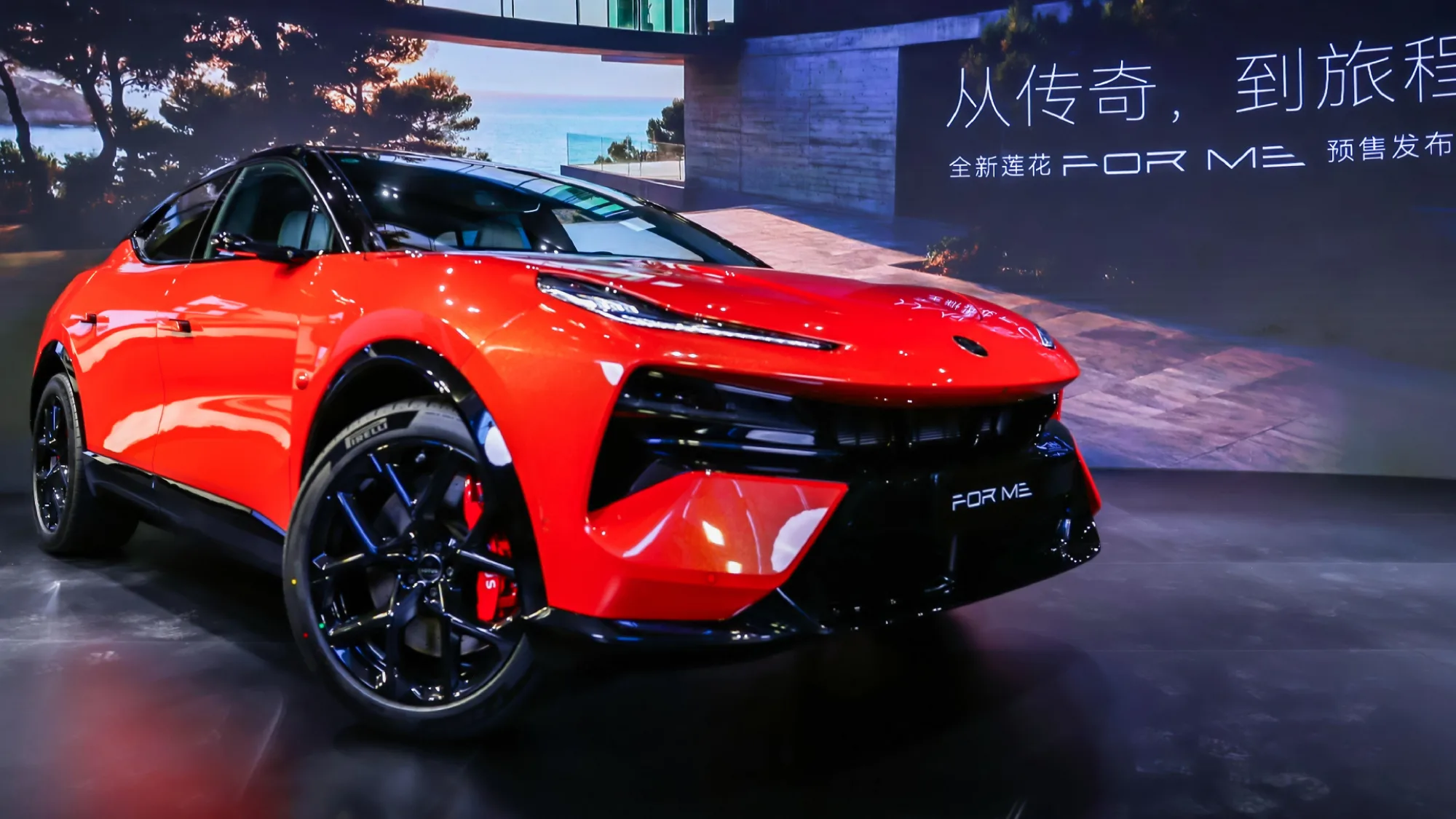
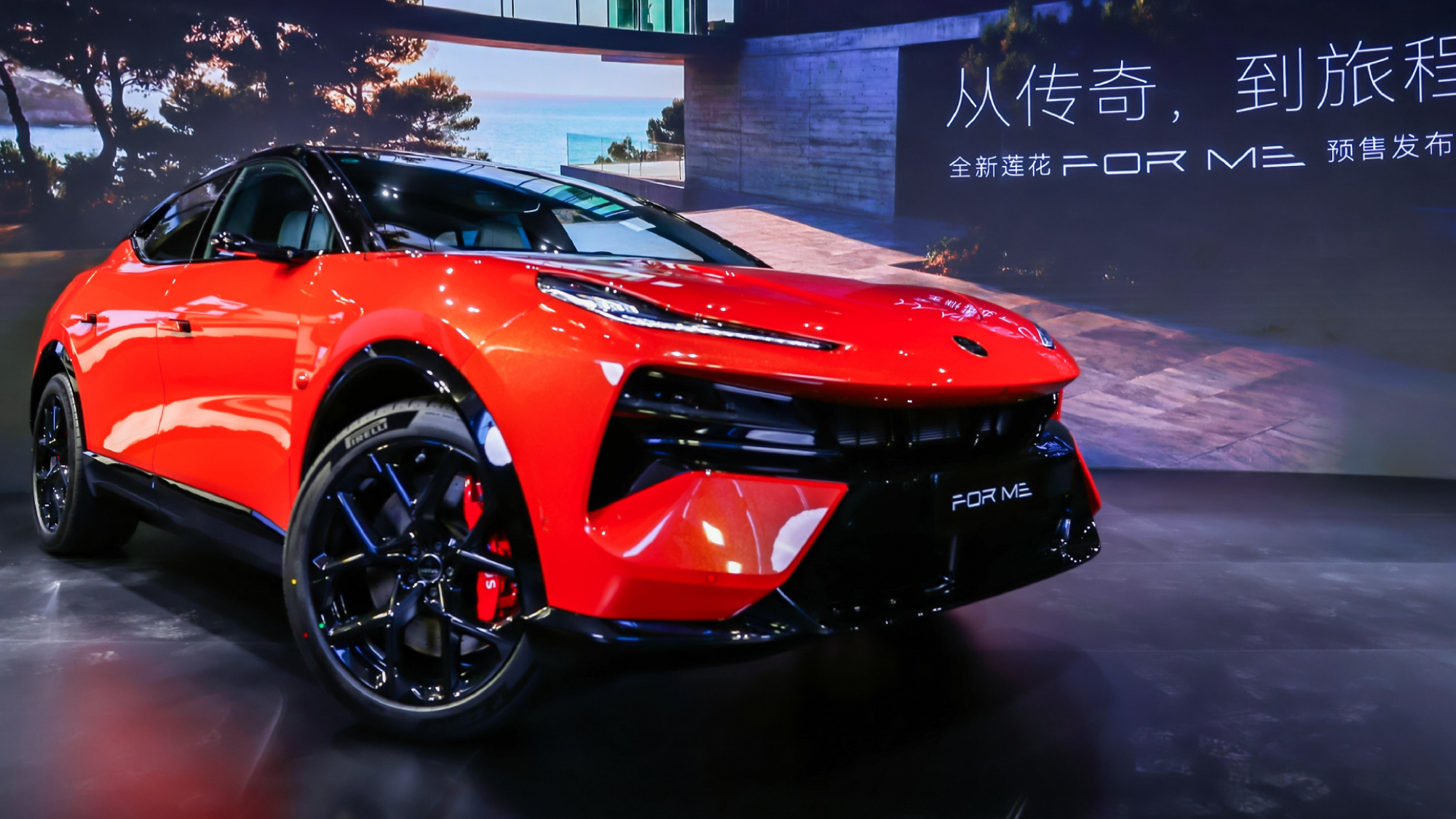
“The Canadian market opportunity is too precious to miss. Since we’ve taken the lead, we must capitalise on this advantage. The growth in Canada may compensate for some of our losses in the Middle East,” Feng added, stressing that Lotus will be the first manufacturer to express interest, and actually deploy Chinese-made battery electric vehicles. Automotive pundits say that the Lotus Eletre, first produced at Geely’s Wuhan factory in 2022, will be the model of choice. However, the company just introduced the LTS (Lotus Tuned Specification) standard plug-in hybrid called Lotus For Me, which is a PHEV.
If that happens, the development will confirm a strategic pattern that had already been identified earlier this year in a CleanTechnica analysis examining which Chinese automakers might eventually enter the Canadian market. We rechecked with our source at the product planning division of Zhejiang Geely Holding Group, the builder of Lotus in China, for confirmation.
In that earlier piece, “Which of the 132 Chinese EV Automakers Will Enter Canada?” the argument was straightforward: the first wave would likely not arrive under unfamiliar Chinese brand names. As the article noted:
“Geely’s strength lies not in exporting ‘Chinese EVs,’ but in deploying globally normalized vehicles with Chinese cost structures.”
That observation now appears increasingly relevant.
Lotus may carry British heritage, but it sits inside the rapidly expanding portfolio of Geely, which has built one of the most complex global brand architectures in the modern automotive industry. Geely’s strategy has not been to push Chinese-branded vehicles directly into Western markets where regulatory and consumer barriers remain high. Instead, the company deploys vehicles through globally recognized brands that already carry trust and familiarity.
That strategic structure includes premium European brands, global EV startups, and emerging lifestyle marques. The most familiar globally are Volvo and Lotus. Then in North America there is the Polestar (another story in development), which is also ripe for entry to Canada. And then the all-Chinese-marques, Lynk & Co and Zeekr.
Within that portfolio, Lotus offers a particularly effective entry point into Canada.
Now back to Lotus. Unlike many Chinese EV manufacturers, Lotus already operates within the Canadian automotive retail ecosystem. The company currently maintains six authorized dealerships across the country, with plans to expand to roughly twelve locations this year. Existing dealers include Lotus of Vancouver in British Columbia, Grand Touring Automobiles in Toronto, Oakville, Maple, and Calgary, and Lotus of Montreal in Quebec.
These facilities already sell and service the Lotus lineup, including the Emira sports car. So introducing the BEV Eletre SUV and the PHEV Lotus-f0r-me will be easy because the retail infrastructure is already in place. It would be able to move vehicles into the market far more quickly than a new brand attempting to establish a distribution network from scratch.
Industry observers say that advantage matters.
The Canadian Automobile Dealers Association (CADA) has previously noted that market entry by new automotive manufacturing countries often begins with brands that consumers already recognize. Familiar or legacy marques can reduce uncertainty for both buyers and dealers, creating a bridge for vehicles built in new manufacturing ecosystems.
In that context, brands such as MG Motor (a SAIC brand) and Lotus represent the most logical starting point. They combine long-standing brand identities with Chinese manufacturing capabilities.
Lotus, however, may have a structural advantage over most of its peers.
Because it already maintains dealerships and service centers in Canada, the company does not need to build the retail foundation that would normally delay the introduction of a new automotive brand. The infrastructure exists. The brand recognition exists. The only missing component is the regulatory pathway for Chinese-built EV imports.
For Geely, that situation effectively turns Lotus into a market-entry platform.
Once a Chinese-manufactured EV begins selling under a trusted global brand, the psychological and regulatory barriers for additional entries begin to soften. From there, the second phase of market expansion becomes possible.
That second phase could involve brands such as Lynk & Co, which Geely positions as a design-forward mobility brand, and Zeekr, which targets the premium EV segment with advanced battery and software architecture. Both brands are already expanding rapidly across Europe and parts of Asia.
The broader pattern is one that Geely has demonstrated repeatedly in international markets: deploy familiar brands first, normalize the technology and supply chain, and then introduce additional marques across multiple price segments.
If Lotus becomes the first Chinese-linked EV brand to sell vehicles in Canada under the new tariff regime, it will represent more than a single product launch. It will mark the opening move in a much larger strategic play that is built not around exporting “Chinese EVs,” but around deploying a global brand portfolio powered by China’s electric vehicle manufacturing ecosystem.
Here is a great by-the-way: Polestar dealers are already found in all the major cities in Canada with two models, the 3, which is made in South Carolina, and the 4, made in South Korea. The Polestar 2, which is the most economical and affordable of the brood, is made in China and will be, speculatively, the best model to enter Canada for the brand.
Sign up for CleanTechnica’s Weekly Substack for Zach and Scott’s in-depth analyses and high level summaries, sign up for our daily newsletter, and follow us on Google News!
Have a tip for CleanTechnica? Want to advertise? Want to suggest a guest for our CleanTech Talk podcast? Contact us here.
Sign up for our daily newsletter for 15 new cleantech stories a day. Or sign up for our weekly one on top stories of the week if daily is too frequent.
CleanTechnica uses affiliate links. See our policy here.
CleanTechnica’s Comment Policy