Support CleanTechnica’s work through a Substack subscription or on Stripe.
One of the electric vehicle stories of the past couple of years has been the EV price war in China. Chinese EV makers kept lowering prices, lowering prices, and lowering prices. Sales grew enormously, but several hyper-ambitious companies wanted to be sure to get a big chunk of that sales growth. Automotive development cycles in China have also gotten absurdly fast, as Larry Evans just pointed out, so that meant quicker improvements and phases of competition than in the past.
However, in the middle of last year, top brass in the Chinese government reportedly convened several major automakers and told them they needed to cut it out, that they were going overboard with the EV price wars and the race to the bottom was bound to crash some of them and perhaps the market as a whole. It seemed that it took a couple rounds of that message to really get things under control, but hyper-competitive pricing seems to have been paused. That said, hyper-competition hasn’t.
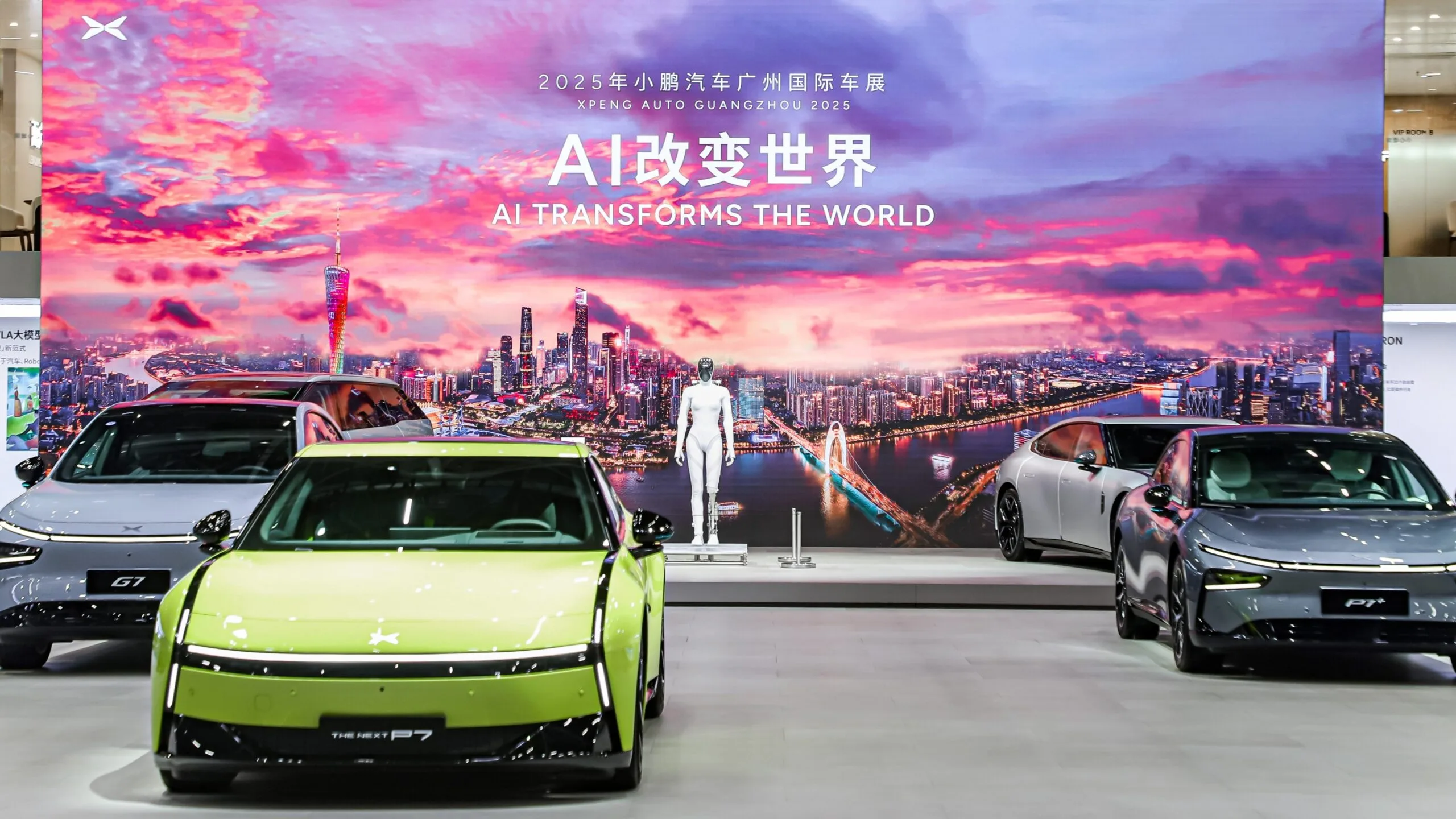
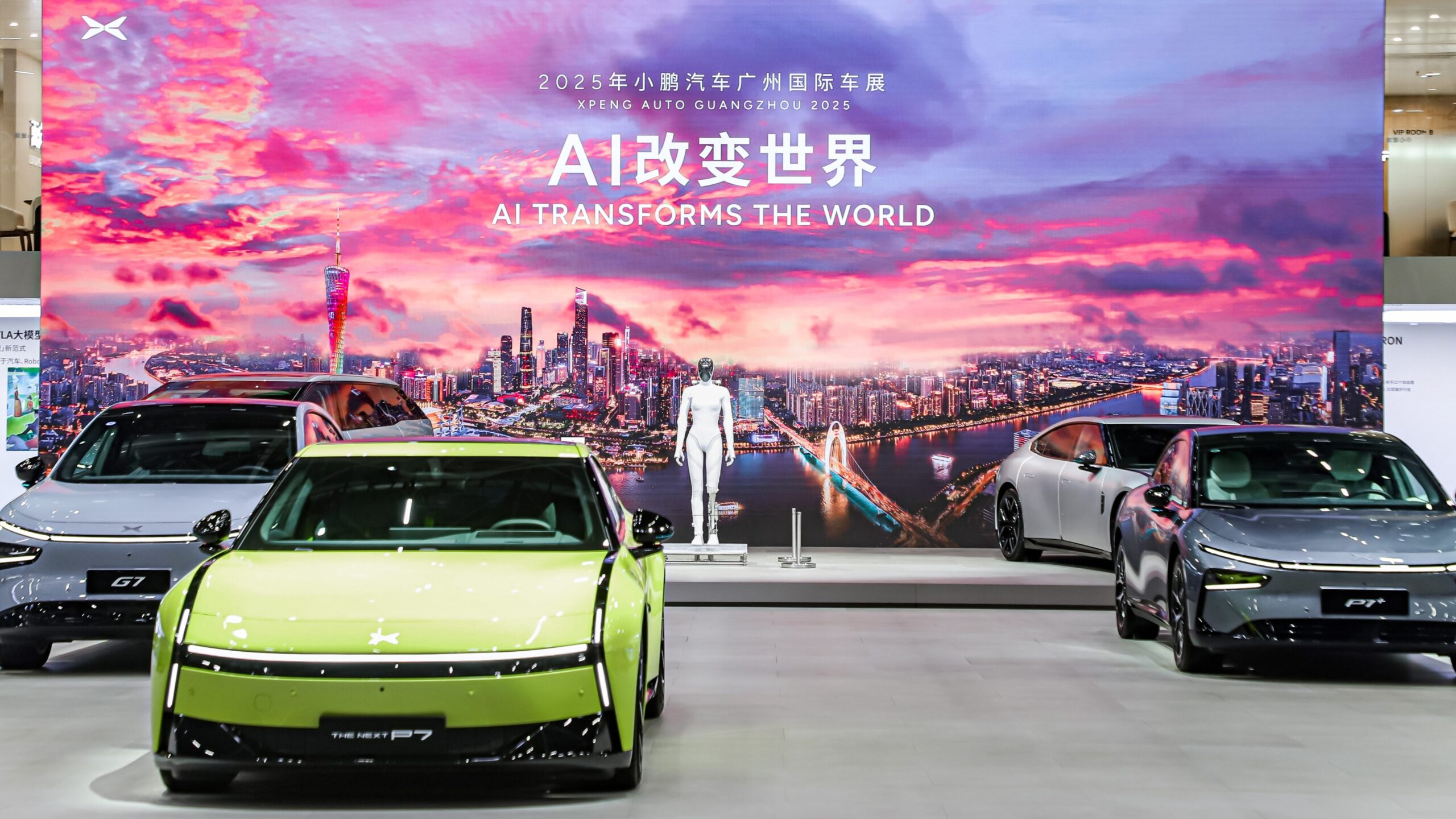
The focus now is apparently to add cool new features constantly and before others. Yes, yes, this has always been the name of the game in the auto industry, but China is now at the forefront of this, and differentiating with new or better features seems to be where automakers have shifted their attention now that the price war has died down.
“Price adjustments still exist,” says Joel Ying, Nomura analyst for China Auto & Parts and Technology Research, “but the main direction is to use product strength to stimulate demand.” Ying also notes something I pointed out yesterday when writing about the Zeekr 7GT launching in Europe — Chinese tech is now leading the industry, and even consumers have shifted to that position. Whereas European and US automakers were revered for ages in China and their vehicles were seen as better (even if they weren’t), consumers have figured out that Chinese companies are now innovating fastest and have the most advanced tech teams working on automotive R&D. They’re leading in terms of setting the direction of the market, core technology, and supply chain development.
That said, foreign automakers are also working hard to keep up — in China. “I recognize that joint-venture automakers are making proactive changes, especially under the concept of ‘In China, for China’,” Ying added. German and Japanese companies are doing more R&D in China and are looking to use the Chinese EV supply chain better. How else can they compete in a market that is evolving so fast via the vision of Chinese EV leaders?
Circling back to that main theme of this article, there are other factors at play that have pushed automakers away from a constant price war. China shored up policies on how quickly automakers have to pay back suppliers, and as Larry pointed out, auto dealers/sellers don’t have leeway to drop the price of a vehicle below its production costs to move it off the lot like they do in the US. So, rather than a race to the bottom, it seems the industry has shifted to a race to be the best in the price points you’ve settled in, feverishly working behind the scenes to unveil a new feature before others or to up the specs.
For a long time, automobiles first sold in the US and Western Europe have been moved on to second owners in less rich countries after a few years. Could we ever see Chinese EVs making their way to the US after they’re out of date in China in the same way? I think that’s unlikely for a few reasons, but I don’t think it’s impossible.
Sign up for CleanTechnica’s Weekly Substack for Zach and Scott’s in-depth analyses and high level summaries, sign up for our daily newsletter, and follow us on Google News!
Have a tip for CleanTechnica? Want to advertise? Want to suggest a guest for our CleanTech Talk podcast? Contact us here.
Sign up for our daily newsletter for 15 new cleantech stories a day. Or sign up for our weekly one on top stories of the week if daily is too frequent.
CleanTechnica uses affiliate links. See our policy here.
CleanTechnica’s Comment Policy