

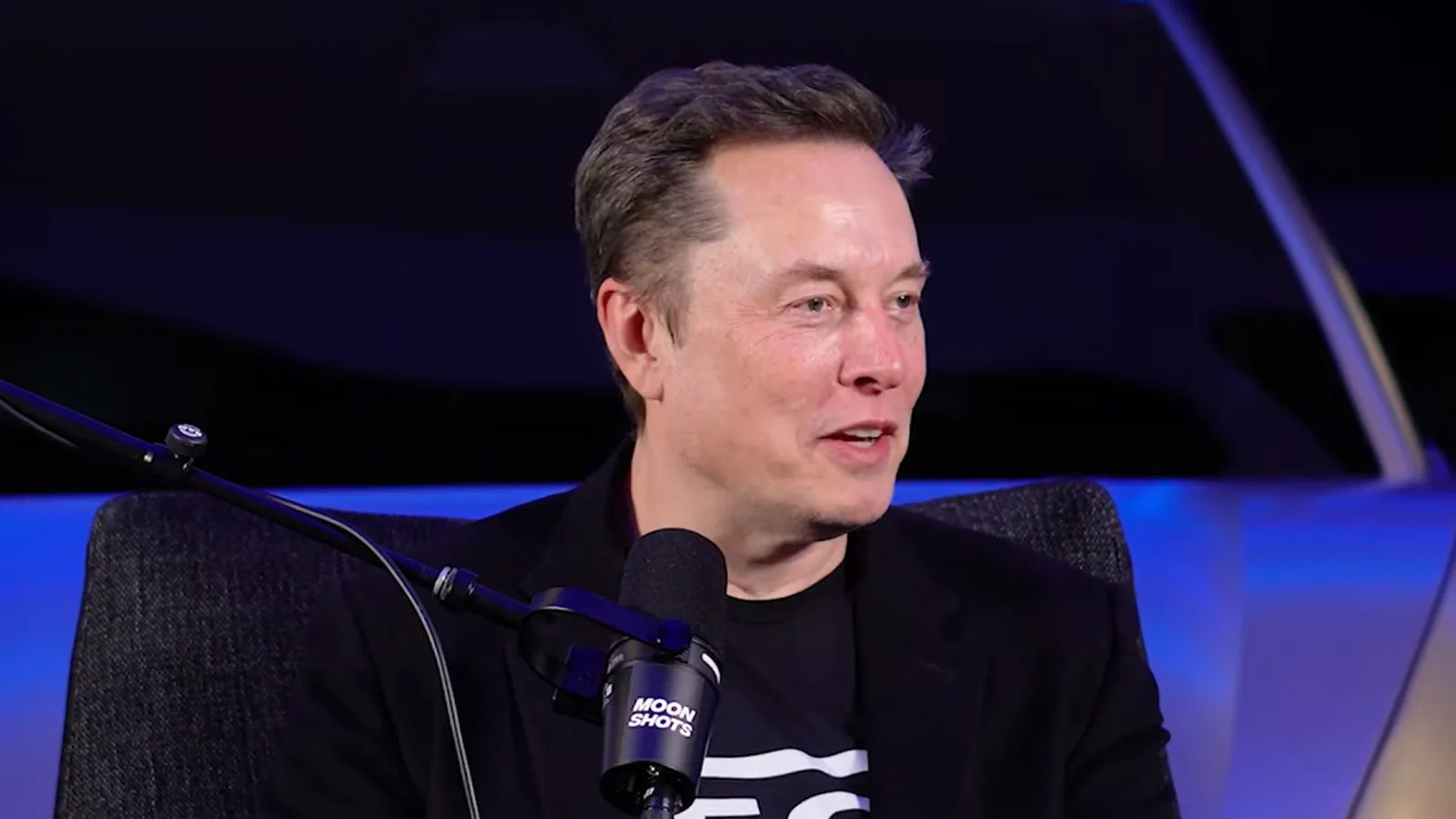
On the Peter R. Diamandis podcast on YouTube, Elon Musk said, «It seems like China listens to everything I say and does it.» Although he did backtrack almost immediately and conceded, «or they’re just doing it independently». Whether Musk wants to take credit for China’s innovation or not, he clearly recognizes that China is surging ahead in electric vehicle (EV) production. «They’re making vast numbers of electric cars,» he said.
In 2025, China produced over 70% of global EVs, far ahead of other regions. EVs made by the Chinese manufacturer BYD outsold Tesla in 2025, making it now the biggest seller of EVs. BYD produced 2.25 million battery electric cars last year, compared to 1.64 million produced by Tesla. Although BYD’s domestic sales were lower than in previous years – likely due to a saturated home market – its focus on worldwide sales to markets like the U.K., Brazil, and Mexico means the numbers are still rising. In the same interview, Musk said that switching to battery power — for everything, not just EVs — is the answer to increasing energy delivery in the U.S.
This is because batteries allow electricity to be stored during low-demand periods and released during peak demand, making better use of the power system’s existing capacity and increasing the total amount of energy that can be delivered over the course of a year. Tesla produces the Megapack, a battery storage system that the company claims will «make sustainable energy more accessible and affordable». Again, China is ahead of the game. Musk remarked that China has a «really massive battery pack output». He’s not wrong. China is by far the world’s largest producer of lithium-ion batteries, both for electric vehicles and large storage applications.
Why China is ahead of the US in EV production
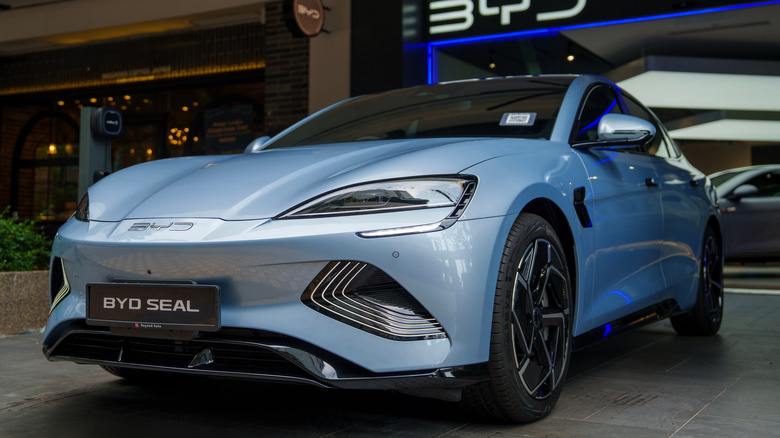
China certainly hasn’t achieved its success by accident. It’s the result of a long-term policy strategy. First conceived in the early 2000s, government subsidies played a critical role in making electric cars more affordable for consumers. It also reduced the financial risk for manufacturers by providing grants and tax breaks. The subsidies largely ended in 2022, but are still available for people trading in older vehicles when buying a new EV. Even though government support has been scaled back, its initial targets and incentives helped ensure rapid nationwide adoption. This led to the impressive scale of China’s EV industry today, and Chinese brands beating Tesla in terms of sales.
The United States, in contrast, has relied less on early industrial subsidies and more on consumer incentives and supply-chain conditions introduced after EV technology had matured, which hasn’t delivered the cost and scale advantages seen in China. The long-standing $7,500 federal EV tax credit was phased out in September 2025, leading to a sharp drop in EV sales and financial hits for EV manufacturers. The Trump administration has also revoked emissions standards that encouraged cleaner vehicles like EVs.
But it’s not just EVs where China takes the lead. In the podcast interview, Musk mentions several times how China is leading the way in Solar energy. This is backed up by the numbers. In the first half of 2025, China built considerably more solar installations than the rest of the world put together, and most solar panels are made in China. With its focus on electric vehicles, sustainable energy storage, and solar energy, China is doing all the things that Musk says America needs to focus on.


