

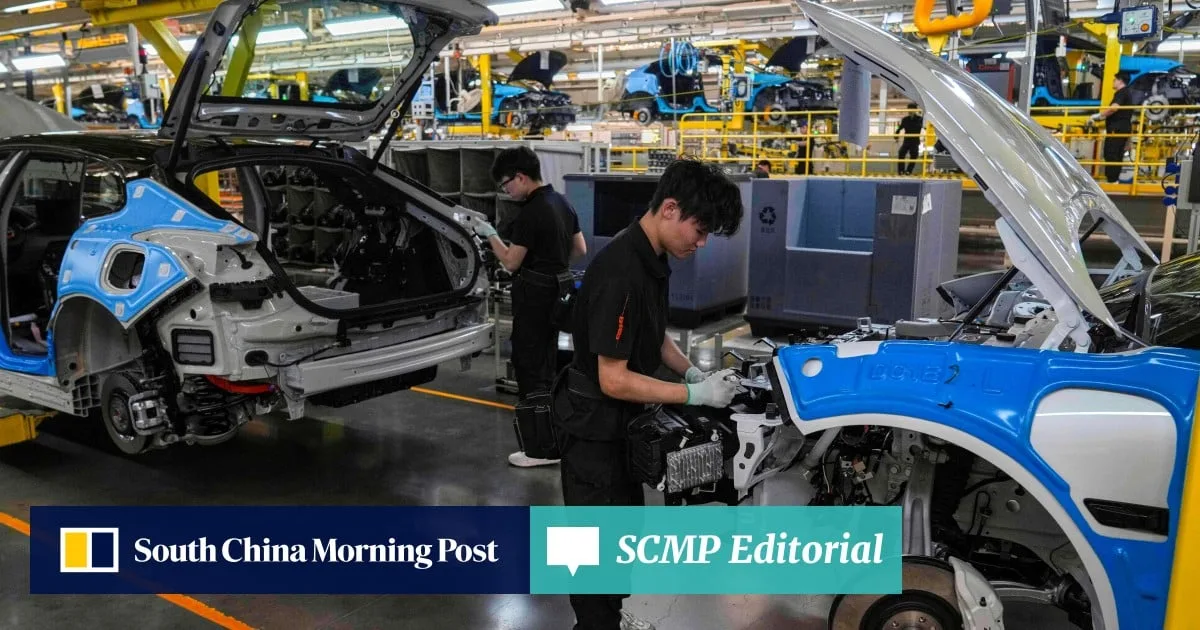
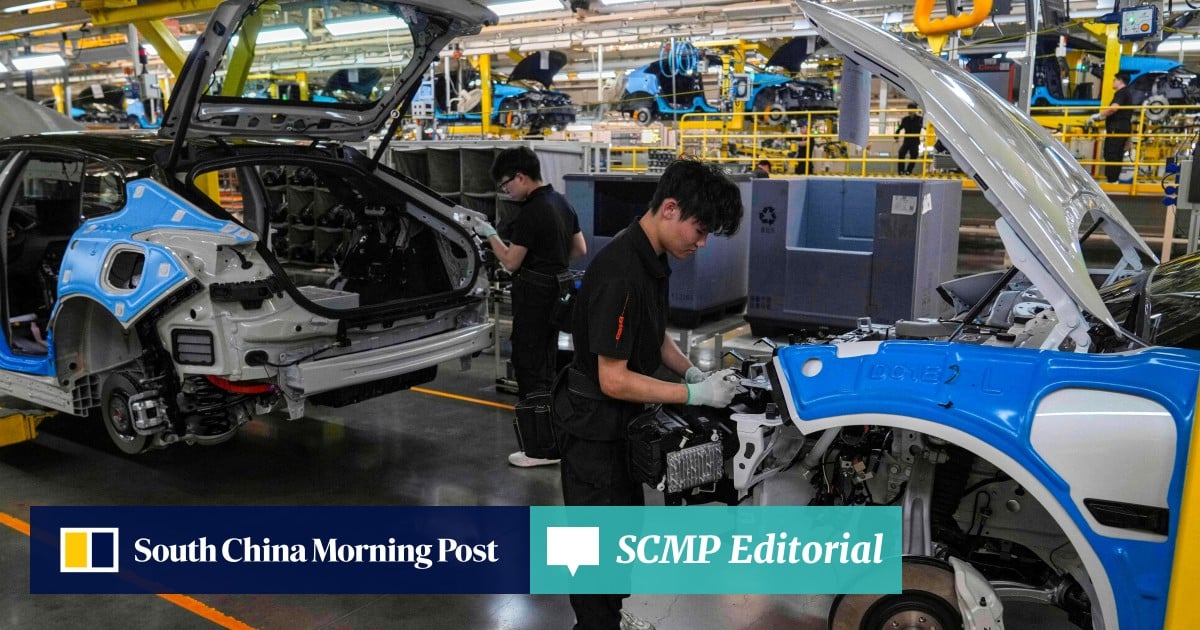
The industry already shows signs of consolidation. High capital requirements, price wars and chronic overcapacity have forced weaker players to exit. Larger energy groups are acquiring charging networks, while mergers are creating stronger manufacturers. The result is fewer brands with greater scale, a trend Beijing encourages to tackle market fragmentation and “irrational competition”.
Vehicle deliveries are forecast to decline between 3 and 5 per cent in 2026. Only a handful of companies, including BYD – the world’s largest EV maker – and Huawei-backed Seres, have managed to achieve profitability. For most, heavy investment in new technologies has failed to generate adequate returns.
Advertisement
Orderly consolidation is essential. Collaboration among struggling manufacturers could reduce duplication in research and marketing, streamline operations and restore investor confidence. To offset domestic weakness, Chinese EV makers are expected to intensify their push overseas. JP Morgan analyst Nick Lai says profitability could improve through targeted international expansion, particularly in markets where demand remains robust and vehicles command higher prices. Success abroad will depend on tailoring models to local preferences and regulatory standards.
This adaptation is critical. While forecasts for China’s domestic car sales remain bearish, overseas deliveries of Chinese passenger vehicles are projected to sustain double-digit growth. For the industry, survival will hinge on consolidation at home and expansion abroad.
Advertisement


