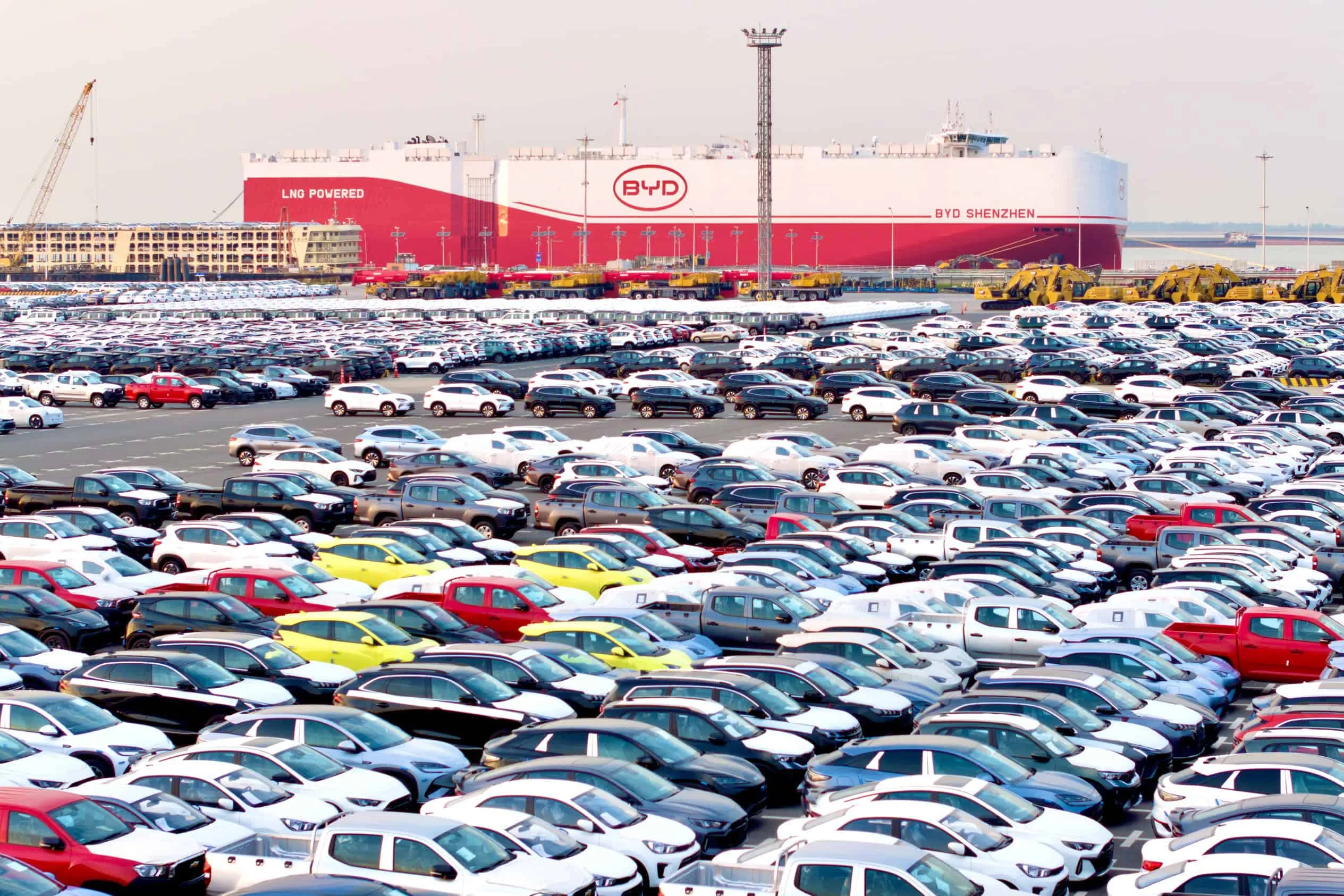
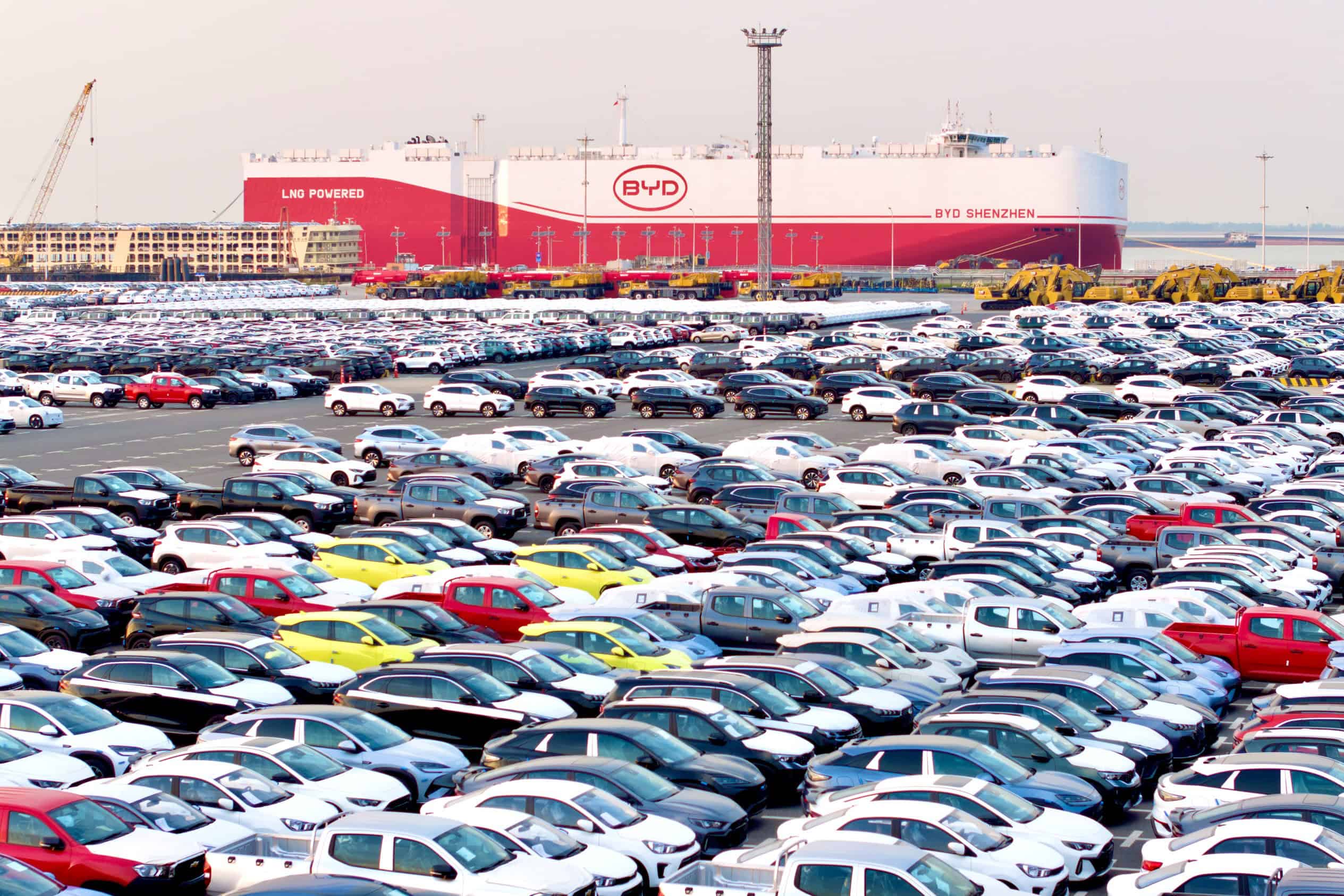
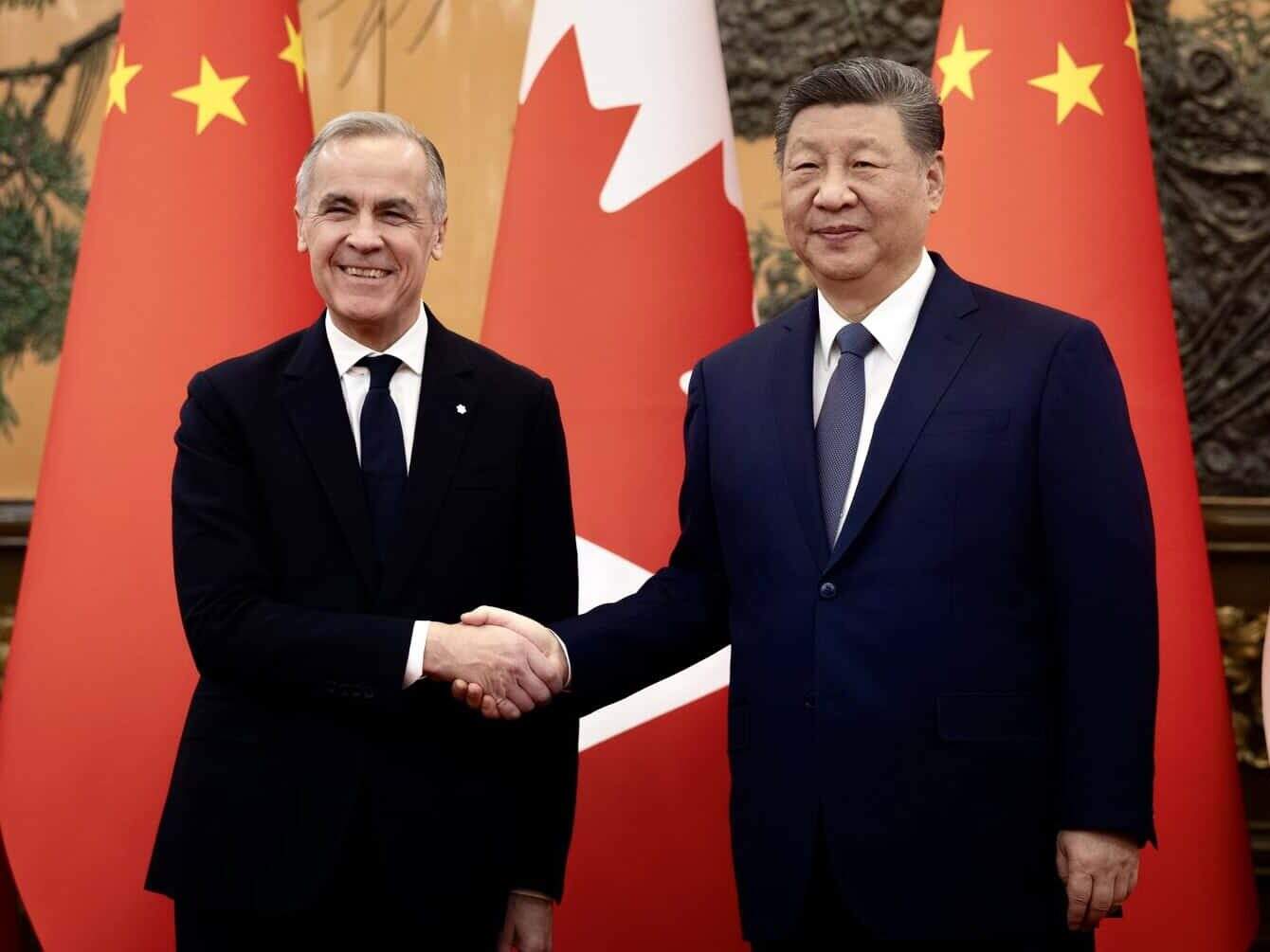
Canadian Prime Minister Mark Carney made waves in January when he dropped the country’s 100 percent tariffs on Chinese electric vehicles, breaking with the United States. Starting this year, Canada will allow a limited quota of imported Chinese EVs, and is actively courting Chinese automakers to set up factories in the country.
At the time, critics warned Canada to brace for blowback from Washington. Instead, as the U.S. and China prepare for Donald Trump’s visit to Beijing, Ottawa faces a specter of a different kind: competition.
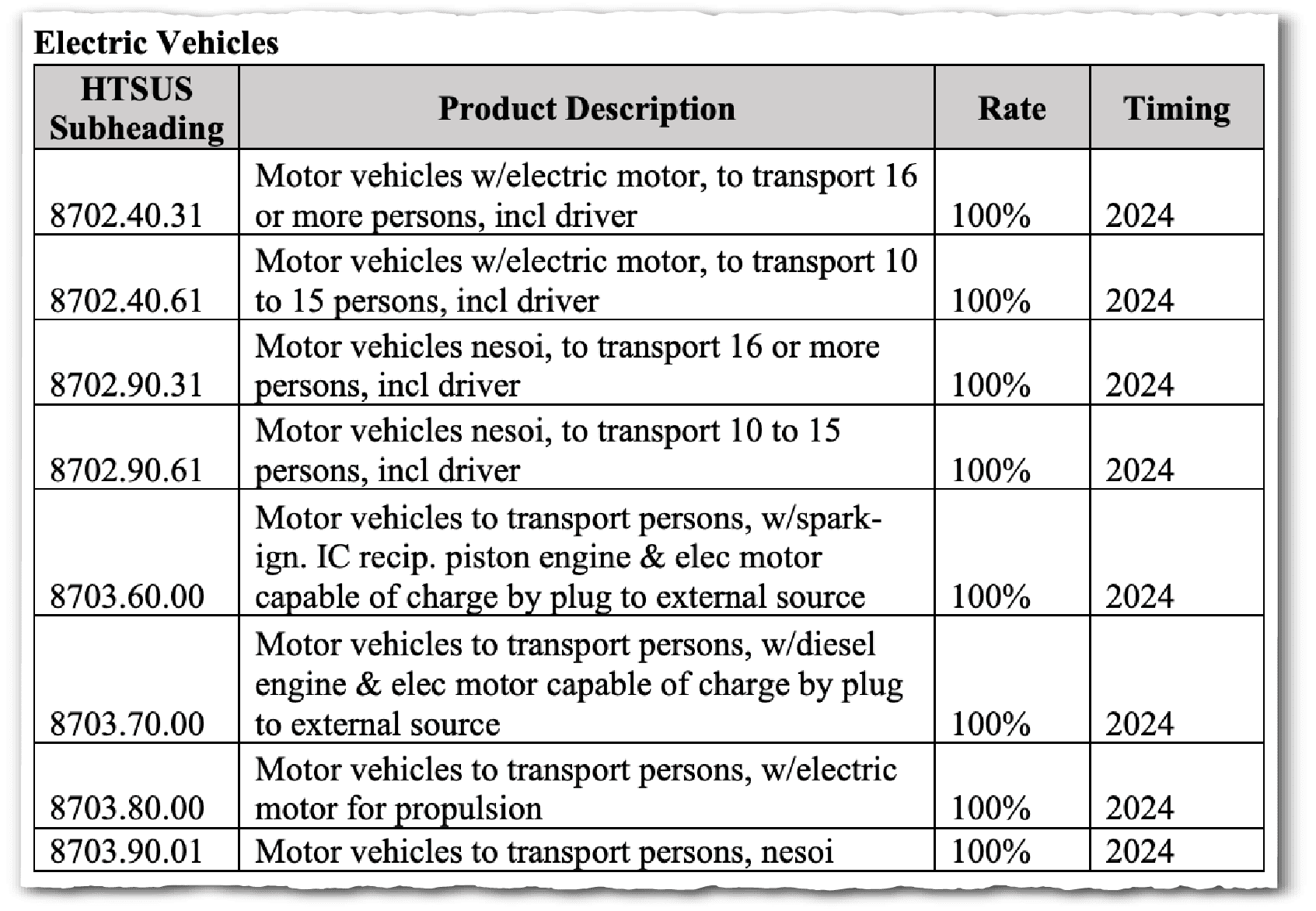
The U.S. has not yet agreed to drop its own 100 percent tariff on Chinese autos. But the automotive industry is on tenterhooks over whether the two governments will strike a deal to bring a Chinese auto factory to the U.S. when Trump eventually visits Beijing. The president has previously expressed enthusiasm about the prospect. And a trickle of rumors suggests that U.S. automakers are already in talks about partnerships with Chinese rivals.
For Chinese automakers like BYD and Geely, such an agreement would reshape the North American landscape, opening up a market four and a half times larger by vehicles sold annually than Canada and Mexico combined. An arrangement that obliges them to set up a factory in America in exchange for market access may be hard to resist. But analysts say a series of practical questions remain.
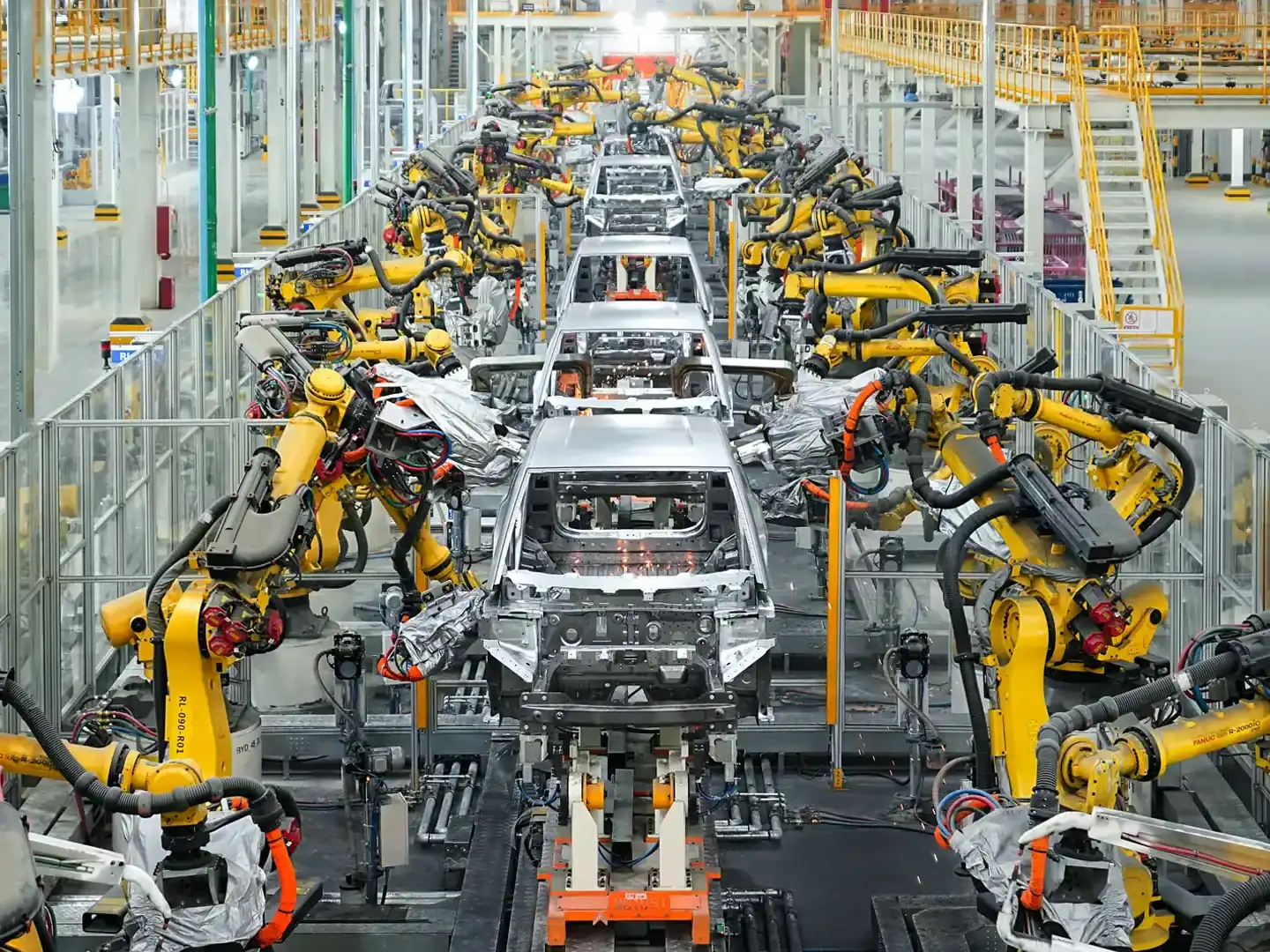
Among them: will Chinese automakers be forced to enter into joint ventures? How much manufacturing would actually happen on North American soil? And will Chinese automakers be willing — or required — or work with powerful automotive unions?
“North America is on the table,” says Bill Russo, chief executive of Automobility, a Shanghai-based automotive advisory firm. “Governments recognize that Chinese carmakers will bring jobs and industrial relevance. There could be a bidding war, and if I’m China, I want that.”
Among the three countries in the U.S.-Mexico-Canada free trade agreement (USMCA), Mexico, with its low labor costs and mature auto industry, is a clear favorite for automakers looking to set up plants. But Mexico’s government has had to tread carefully, slow-walking approvals for new Chinese plants in a likely attempt to avoid the perception in Washington that it is poaching U.S. jobs.
That has created an opening for Ottawa. Canada has long had an automaking industry, and is home to two well-reputed vehicle parts suppliers, Magna International and Linamar Corp. It’s also a valuable proving ground for newcomers to the North American market, with consumers with similar tastes and spending habits to the U.S. and who are open to Chinese EVs.
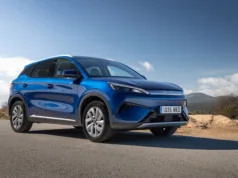
Three Chinese automakers — BYD, Geely and Chery — are currently preparing to enter the Canadian market, their company executives and local dealership networks have said.
The Carney government had courted BYD to set up a factory in the months leading up to the prime minister’s January visit to China. Stella Li, BYD’s executive vice president, confirmed in an interview with Bloomberg last week that the company has been considering a plant there.
But Ottawa’s pressure on Chinese automakers to enter into joint ventures could be a sticking point. Both Carney and Canadian industry minister Melanie Joly have emphasized that JVs are a priority to support the buildout of a local EV supply chain. But BYD’s Li has said she doesn’t think a JV “will work.”
“For a company like BYD that has an advantage, all a JV does is give someone half of the pizza they’d rather keep for themselves,” says Russo.
Really the smart thing would be for the members of the USMCA to get together and discuss how to present a unified face to China. China has a long history of leveraging the strategy of divide and conquer. But it’s unlikely they’re going to do that.
Bill Russo, chief executive of Automobility, a Shanghai-based automotive advisory firm
If the U.S. were to join the fray, it would reduce any leverage Canada has in setting the conditions under which Chinese companies could enter its market.
“If the U.S. signals openness, there’s not really any question that it would win the location competition,” says Gregor Williams, an associate director focused on EV policy at Rhodium Group, an advisory firm. “But if the U.S. opens up, it would highly likely only be open to local production and with a joint venture partner.”
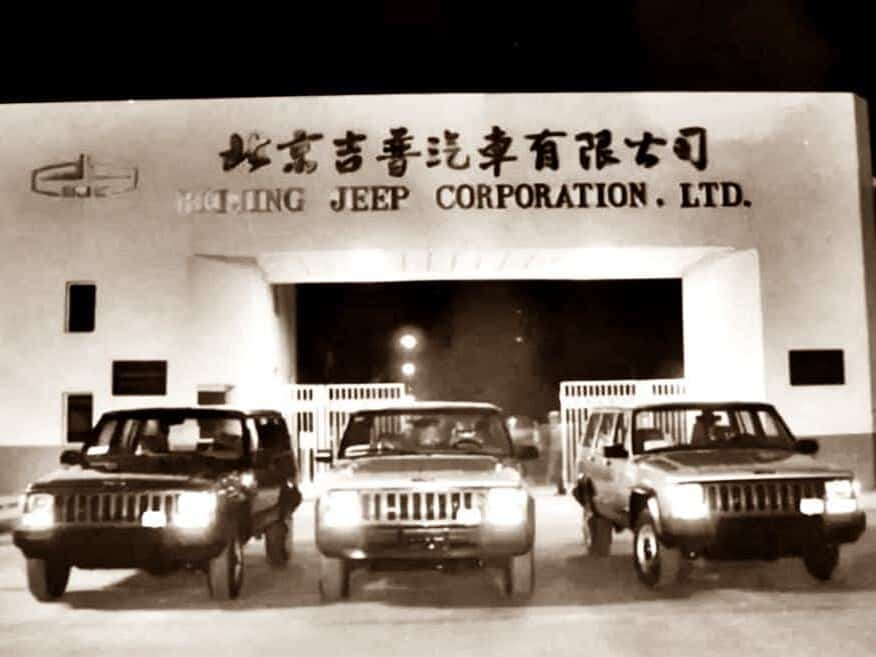
“The U.S. has enormous bargaining leverage as the second largest automotive market in the world,” says Russo. A former Chrysler executive, he draws a comparison to Beijing’s requirement that U.S. automakers form JVs with local companies when they sought to set up in China in the 1990s and early 2000s.
“If I’m a U.S. policymaker, I’d be telling [the Chinese], you did it to us, we’re doing it right back,” he says. “And the Chinese companies, of course they’ll do it.”
Other Chinese automakers may be open to entering into partnerships. Geely, for example, already has a JV in Europe with French automaker Renault and experience with the western automotive ecosystem through its ownership of the Volvo and Lotus brands. Chery has a JV with Spanish automaker Ebro.
A second vital question is to what extent Chinese automakers would manufacture locally as opposed to using imported components from China. Chinese EVs are cheap in part because of Chinese automakers’ vertical integration — an advantage they could lose if required to source components from local third parties.
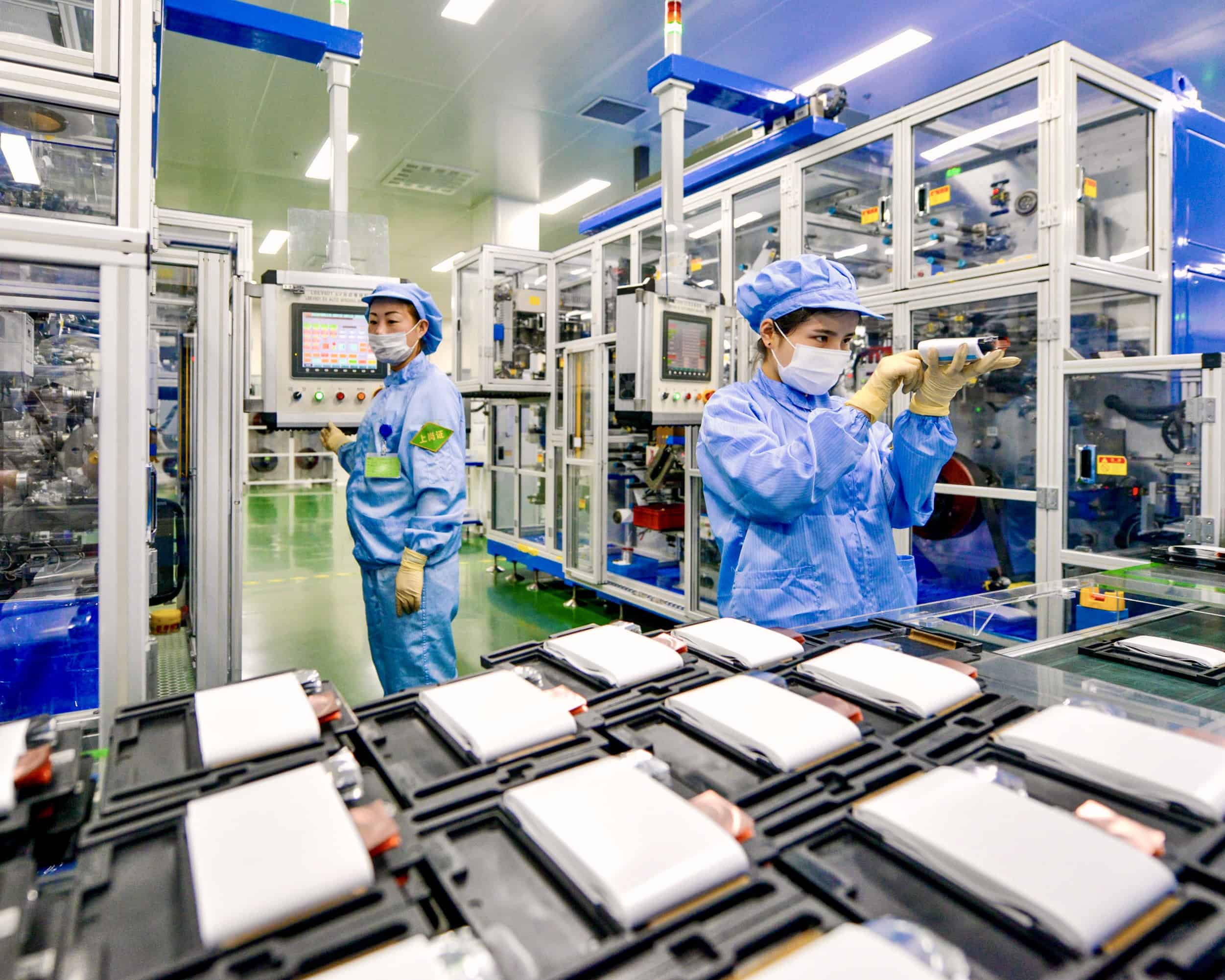
“The [U.S.’s] Section 301 tariffs on auto parts and batteries make it hard to import those parts,” says Williams, referring to the tariffs imposed by both the Biden and Trump administrations to counter China’s allegedly unfair trade practices. “That may be easier in Canada. Chinese carmakers could feasibly do only final assembly there [in Canada] for the time being.”
“Canada says they want Canadian suppliers involved. But the tricky part is that there’s not much of a LFP [battery] ecosystem in Canada,” he adds.
Some Chinese automakers have already begun the process of quality-checking non-Chinese components for their cars. BYD this week announced it would partner with Nvidia on its autonomous driving system. That could be a first step to complying with U.S. regulations that currently ban cars with Chinese connected vehicle technology from American roads.
“They’re ensuring they have a qualified supplier that is in compliance with U.S. rules,” says Tu Le, founder of Detroit-based Sino Auto Insights. “I think [Chinese automakers] are happy to work with suppliers that are not Chinese as long as their prices are reasonable.”
A third factor is the role of the unions. Almost 30 percent of Canada’s automotive assembly industry is unionized, a rate twice as high as the U.S., where large segments of auto manufacturing have shifted to so-called “right to work” states like Alabama and Tennessee. Unifor, Canada’s main union for autoworkers, has opposed Carney’s move to open the door to imported Chinese EVs, warning it would cost Canadian jobs across the auto supply chain and stall domestic investment.
A spokesperson for Unifor did not respond to questions about its position on Chinese auto factories in Canada.
“The Chinese aren’t going to want that,” says Le. “Meanwhile, Trump might say we can get you online in two years and we’ll give you free land in Alabama and tax abatements for the next 10 years. Can Canada do that?”
Trump himself has signaled his openness to Chinese auto investment. “If they want to come in and build the plant and hire you and hire your friends and your neighbors, that’s great. Let China come in,” he told the Detroit Economic Club in January. That month, the administration pushed out a key Commerce Department official whose office issued the Chinese connected vehicle ban.
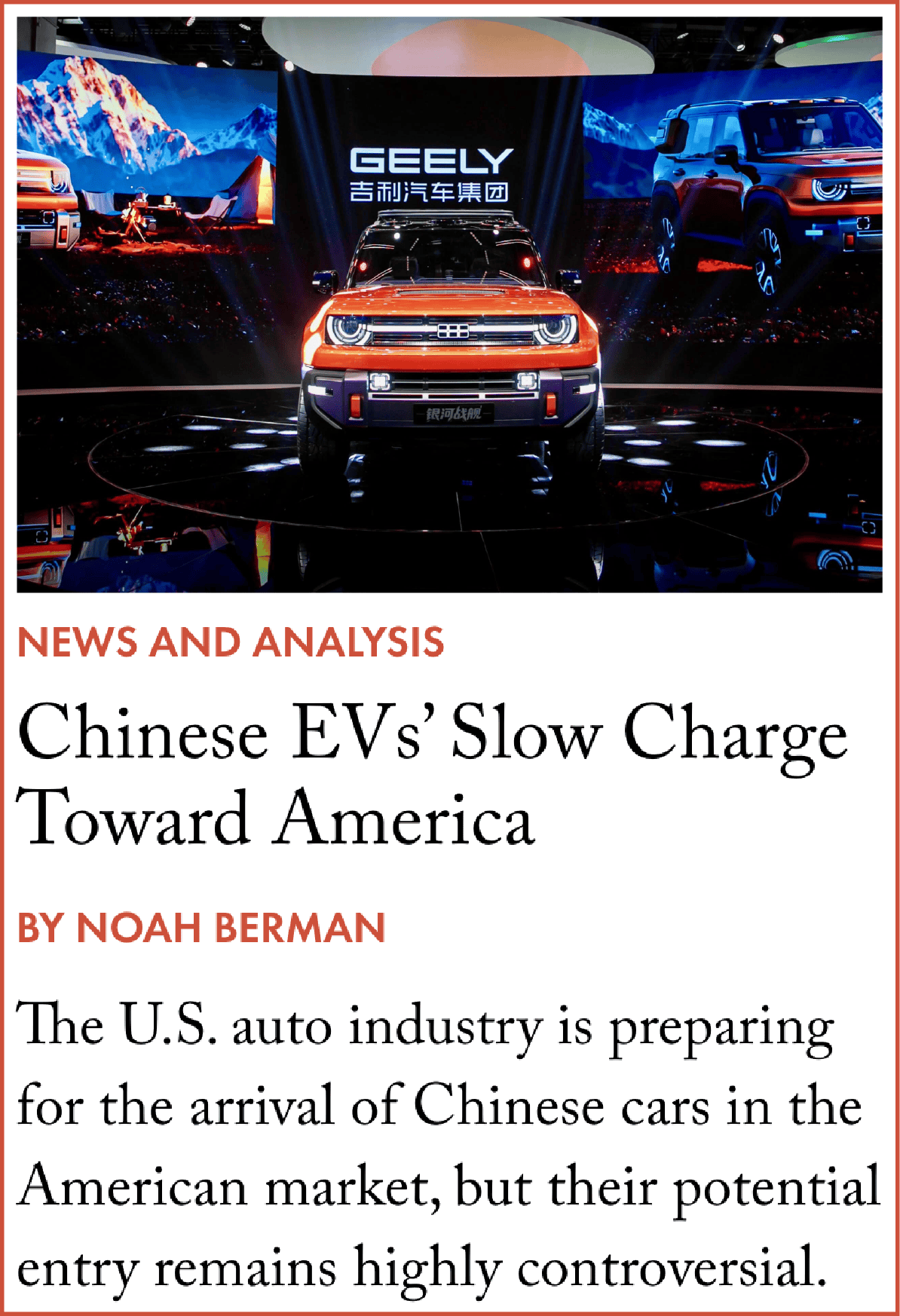
Surveys suggest that many U.S. consumers are also open to buying Chinese-made cars. Cox Automotive, a market research firm, found in a February survey that 38 percent of Americans would be “extremely” or “very likely” to consider a Chinese brand. That number soared to 69 percent among cost conscious Gen Z buyers.
U.S. auto industry groups have lobbied hard against allowing in Chinese automakers, including in a letter to the administration last week. In February, some Democrats also called on the administration to crack down on Chinese EVs in USMCA negotiations. But faced with the possibility of losing that investment to Mexico or Canada, the administration may find it hard to resist striking a deal first.
“Really the smart thing would be for the members of the USMCA to get together and discuss how to present a unified face to China,” says Russo. “China has a long history of leveraging the strategy of divide and conquer. But it’s unlikely they’re going to do that.”

Eliot Chen is a Toronto-based staff writer at The Wire. Previously, he was a researcher at the Center for Strategic and International Studies’ Human Rights Initiative and MacroPolo. @eliotcxchen