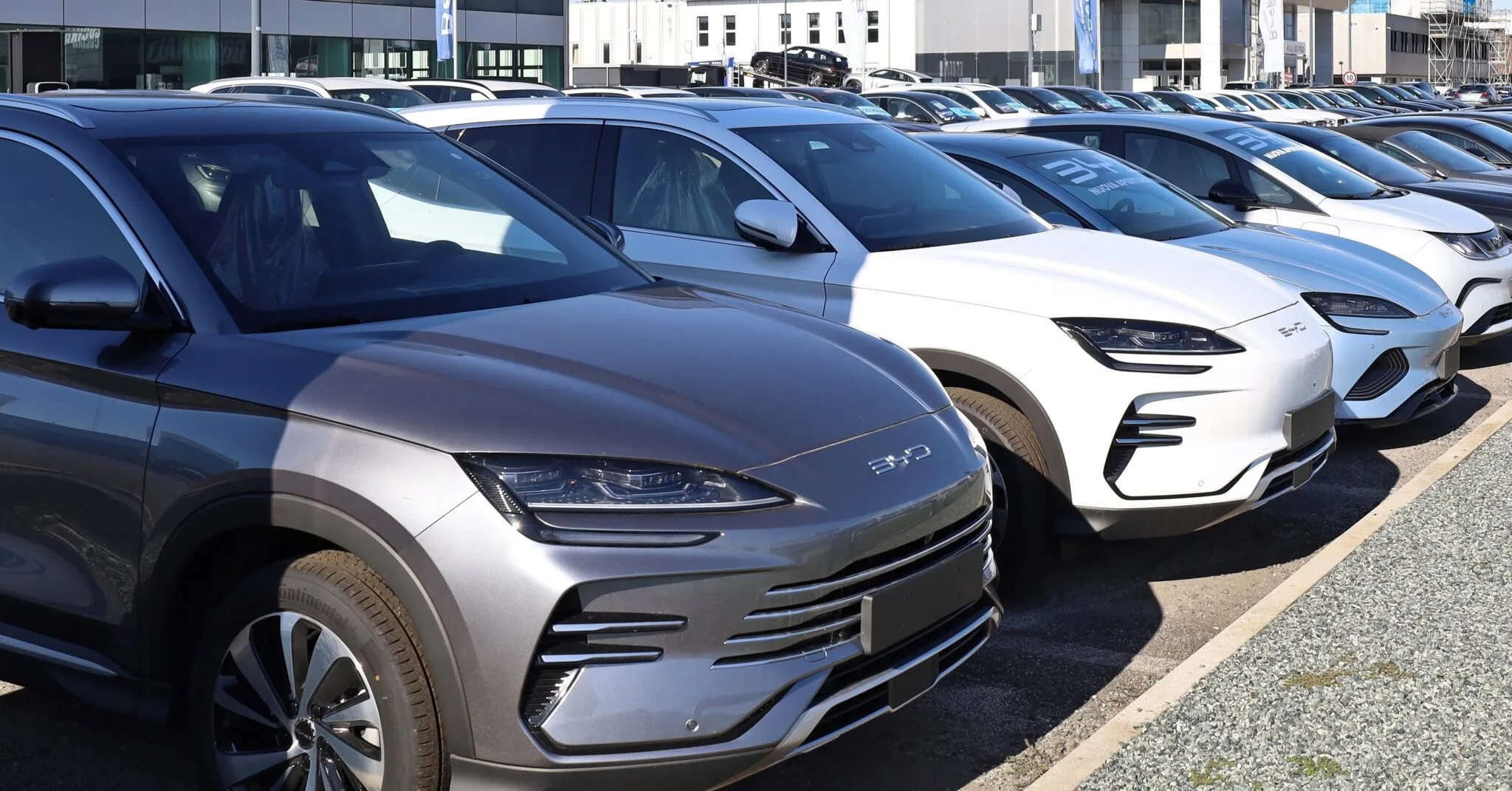
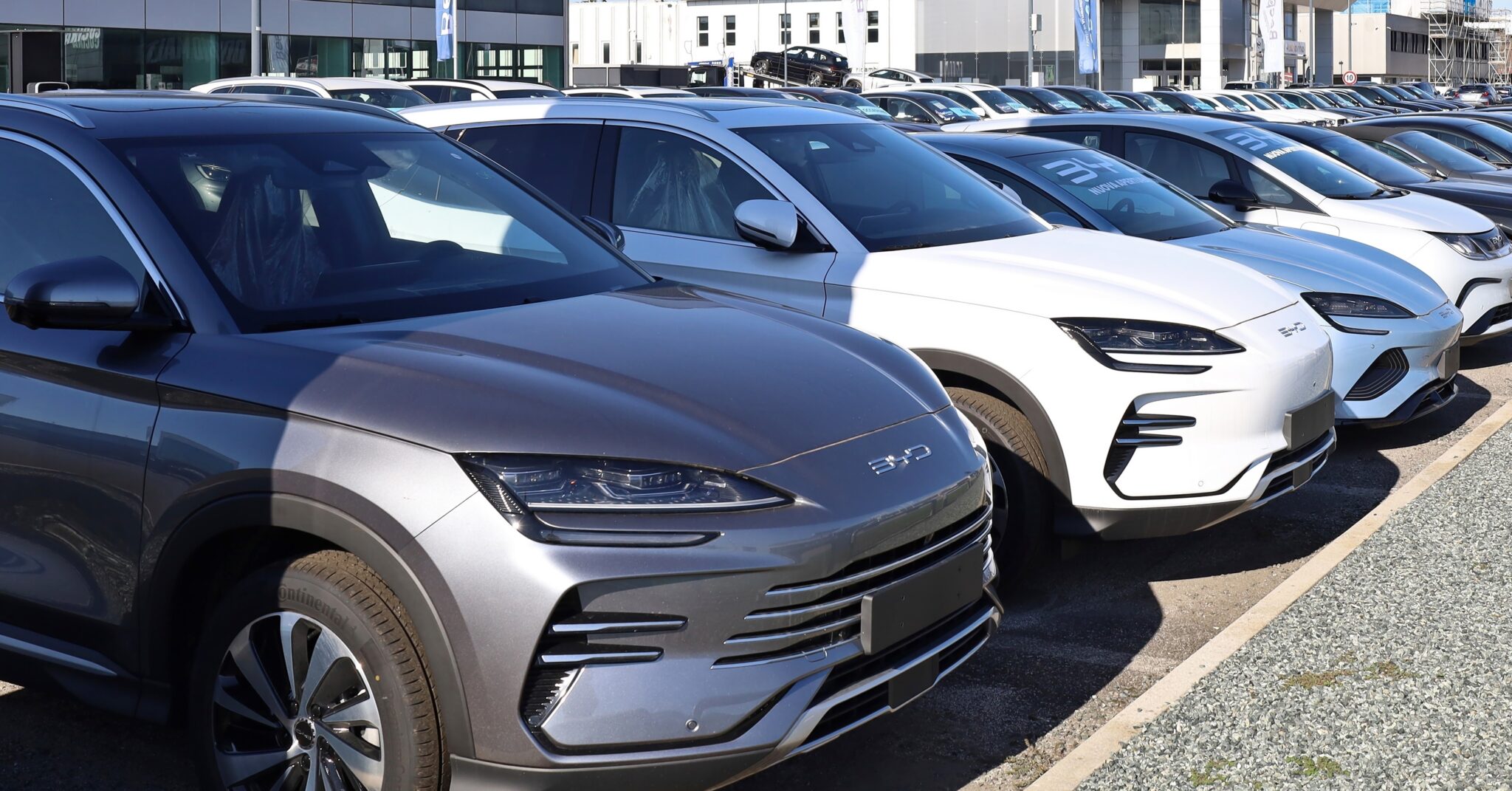
The brutal and still-ongoing price war in China’s vehicle market destroyed as much as CN¥471bn (US$68bn) in industry revenue between 2023 and 2025, according to new research published by China Automobile Dealers Association member Li Yanwei. Automakers and dealers bore enormous costs from discounts offered during the three-year period, which reshaped competitive dynamics across the world’s largest vehicle market.
Li calculated total losses by applying price reductions to initial retail prices in January 2023 and multiplying by sales volumes over three years. Average vehicle prices fell 11% from CN¥217,000 in 2023 to CN¥194,000 in 2025. “The price war is definitely not a short-term marketing campaign,” Li told Nikkei. Rather, he warned, it has “profoundly reshaped the industry’s competition landscape.”
Tesla triggered the discount spree in early 2023 after Beijing ended national purchase subsidies, slashing its regional prices from between 6-14%. However, BYD is arguably responsible for the fever pitch the industry hit in 2025, when it launched its fifth-generation hybrid technology via the Seal 05 DM-i, boasting ranges north of 2,000 km for as little as CN¥89,800 (US$12,300).
The automaker also broke with industry trends by including its next-generation self-driving technology—the God’s Eye system—as standard instead of charging a recurring fee. In May 2025, the automaker embarked on sprawling price cuts for 22 models simultaneously; the entry-level Seagull electric vehicle could be purchased at just CN¥55,800.
Beijing intervened in June 2025, summoning industry executives to warn against fierce price cuts and mounting unpaid supplier bills. Regulations mandating price floors, and other requirements, followed shortly thereafter. Li’s research does suggest that the crackdown has somewhat eased discount intensity, with the industry recovering roughly CN¥20bn in revenue during the second half of 2025 compared with the first half.
Citi analysts do not expect further significant price cuts in 2026, citing customers’ reduced price sensitivity, rising raw material costs and Beijing’s measures against unsustainable competition. Those factors combined with intense new model launches should drive industry consolidation, the bank said.
However, that does not mean that the price war has subsided—instead, automakers have simply moved onto less explicit approaches. Tesla, for example, announced five-year zero-interest financing for Model Y buyers in January, while Chinese brands including Zeekr, Li Auto and the Huawei-backed Aito have promised to compensate customers for the phase-out of government tax subsidies. Meanwhile, BYD has upgraded its existing models with extended battery ranges and advanced features while keeping prices unchanged.
The carnage has already claimed more than 400 Chinese EV brands since 2018, including HiPhi and the Baidu-backed WM Motor. Analysts generally agree that China’s automotive market cannot sustain the 129-or-so EV brands that call it home—and that barely more than a dozen may survive long-term.