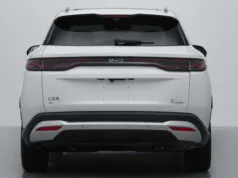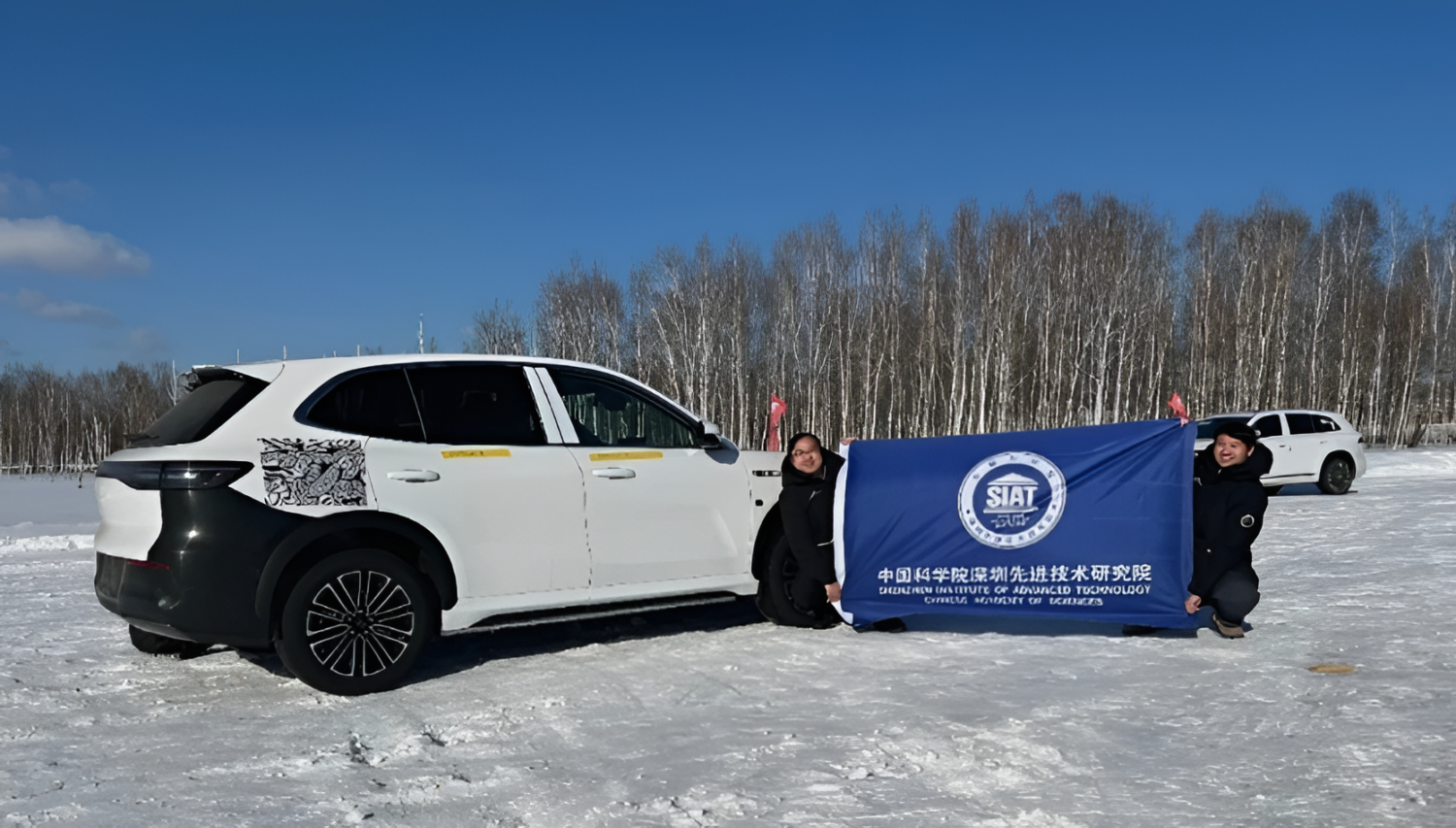
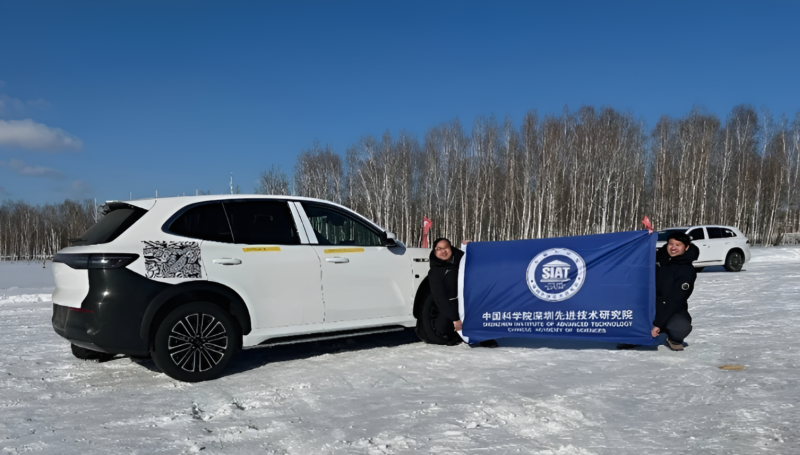
A Chinese Academy of Sciences (CAS) research team conducted a field test of an aluminium-based wide‑temperature lithium‑ion battery in Heilongjiang Province. At –25 °C, the battery achieved over 92 % discharge efficiency in real-world city driving and reached 90 % state of charge in approximately 20 minutes during low-temperature charging, according to IT-home.
The battery employs an aluminium-based anode with alloying elements to expand its operating temperature range. Laboratory data indicate performance stability from –70 °C to +80 °C. This test represents the first installation of this battery type in a production EV model for evaluation under extreme cold conditions, including a low-temperature fast-charge assessment.
Battery architecture & technology
The battery employs an alloy-modified aluminium negative electrode to enhance ion mobility and maintain energy density at low temperatures. Laboratory tests showed that voltage and discharge rates remained stable over repeated cycles. The battery’s thermal management system facilitated heat dissipation during sub-zero charging without additional insulation or active heating.
Field Test & Driving Performance
During the Heilongjiang trial, the vehicle was subjected to a 24-hour cold soak at –25 °C. The battery maintained discharge efficiency above 92 % during typical urban driving cycles. The charging infrastructure enabled the pack to reach 90% state of charge in approximately 20 minutes. Temperature and performance sensors confirmed that the battery operated within predefined safety limits throughout the test period.
Industry comparison
A separate CarNewsChina report from February 11, 2026, describes a liquid-solid-state lithium battery tested in the laboratory at –34 °C, which retained approximately 85 % of its nominal capacity, also performed by CAS. While the aluminium-based battery trial was conducted on a production EV under real-world conditions, the –34 °C test was conducted in a laboratory. Both efforts illustrate recent research from 2026 on battery performance in extreme cold environments, providing data points for potential EV deployment in sub-zero climates.
Market & industry context
Lithium-ion batteries generally experience significant capacity reduction below –20 °C. Recent developments in China, including aluminium-based batteries, sodium-ion chemistries, and solid-state prototypes, are aimed at improving low-temperature performance. The aluminium-based battery has also been recognised in national patent conversion applications and is reported as a potential candidate for use in smart-grid energy storage. Additional testing and integration work will determine readiness for wider adoption in production vehicles.

Follow us for ev updates