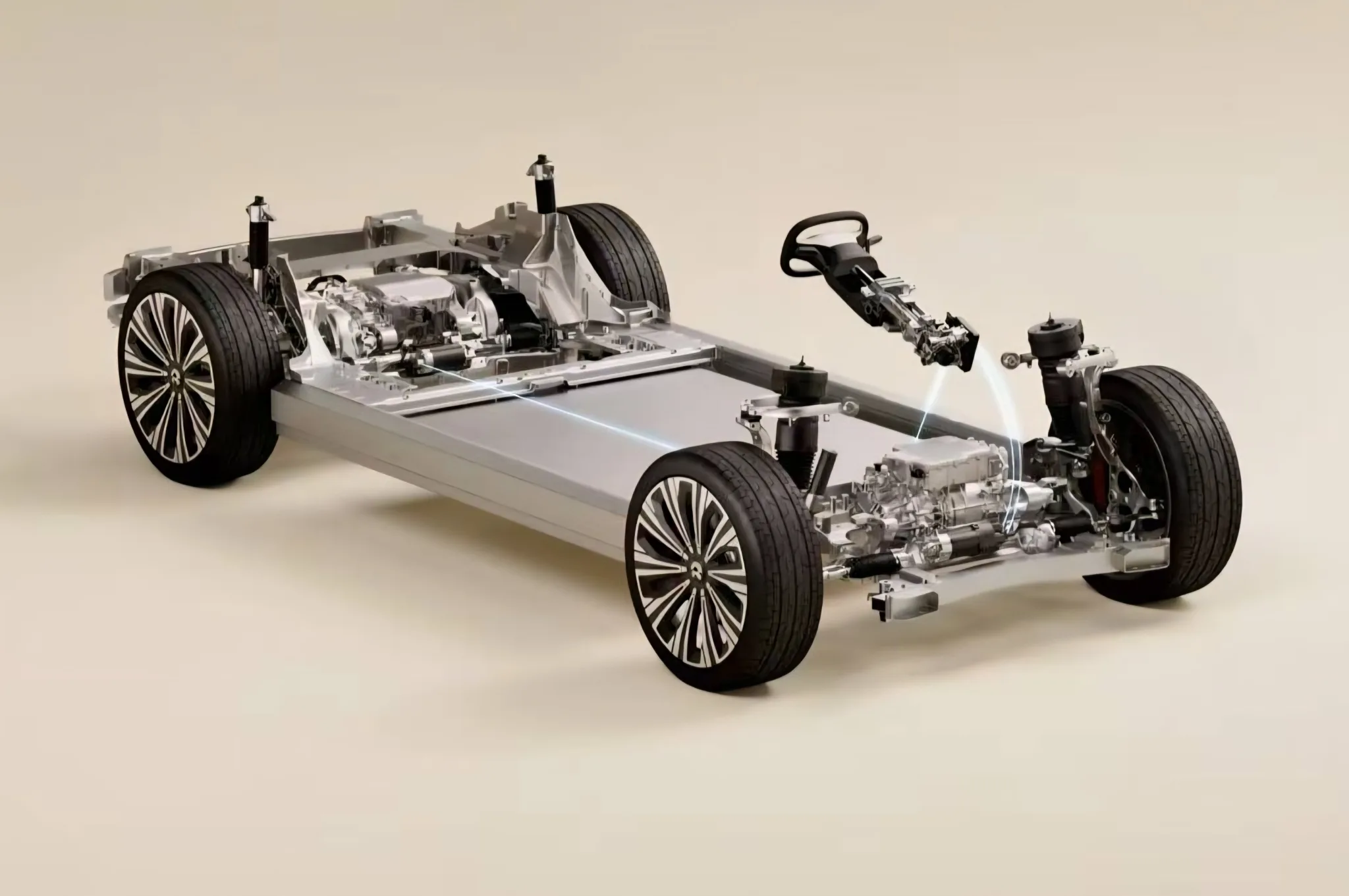
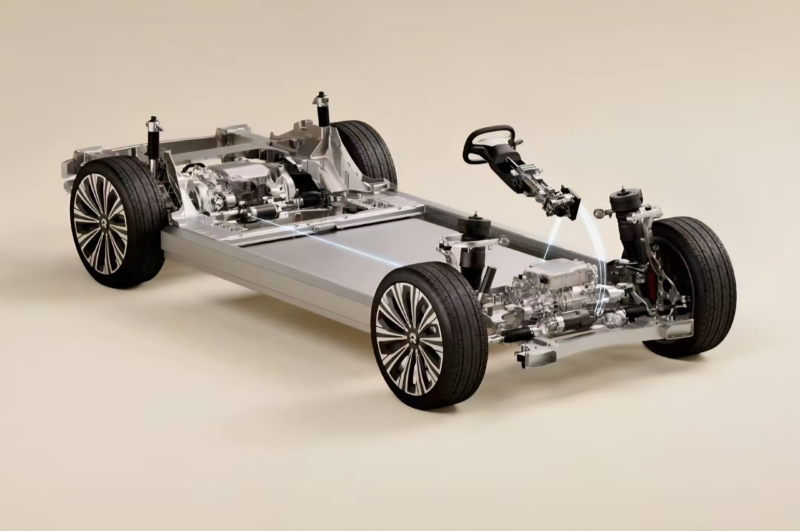
On January 26, China’s State Administration for Market Regulation released the “Basic Requirements for Automotive Steering Systems” mandatory national standard, which will officially come into effect on July 1st. This standard clarifies the technical requirements and test methods for automotive steer-by-wire systems (SbW), as well as the functional safety requirements for traditional steering systems and auxiliary steering devices, according to the China Central Television.
Unlike traditional steering systems that use mechanical and hydraulic technology to conduct vehicle operations, SbW relies primarily on electronics to control vehicle operations.
The automotive SbW market will grow from 4.61 Billion USD in 2025 to 7.21 Billion USD by 2031, according to TechSci Research, a research based management consulting firm in New York City. As intelligent technology has become a major trend in automotive development, smart cars are not only representative of autonomous driving and electrification, but also intelligent connectivity. SbW is an important component of smart and autonomous vehicles due to its greater precision, maneuverability, and design flexibility.
“Basic Requirements for Automotive Steering Systems”
The Chinese national standard contains four main sections.
The first is “Strengthening Safety Assurance”, focusing on improving the failure provisions for steer-by-wire systems, clarifying safety response strategies in different failure scenarios such as power source or power supply failure, control transmission failure, and energy transmission failure, ensuring driving safety.
The second is “Improving Alarm Mechanisms”, which clarifies the alarm methods for aging and insufficient performance of steer-by-wire system, mitigating potential risks and ensuring the long-term safe operation of the steer-by-wire system.
The third is “Ensuring Reliable Operation”. Given the increasing reliance of steering systems on electronic control systems in that they are fully software-controlled, this section clarifies the functional safety requirements for steering electronic control systems, preventing unreasonable risks caused by functional abnormalities of electrical/electronic systems.
Lastly, the “Strengthening Standard Implementation” section focuses on the enforceability of the standard with modified requirements for functional safety verification tests, clarifying basic test cases and providing technical basis for testing & inspection institutions to conduct relevant document review, evaluation, and test verification.
Source: China Central Television, Nio
Follow us for ev updates