
China has officially banned hidden and retractable car door handles, and let’s be clear about why: the auto industry ignored years of safety warnings in favor of looking futuristic. Regulators finally stepped in after deciding that door handles that don’t reliably work during emergencies have no place on real roads.
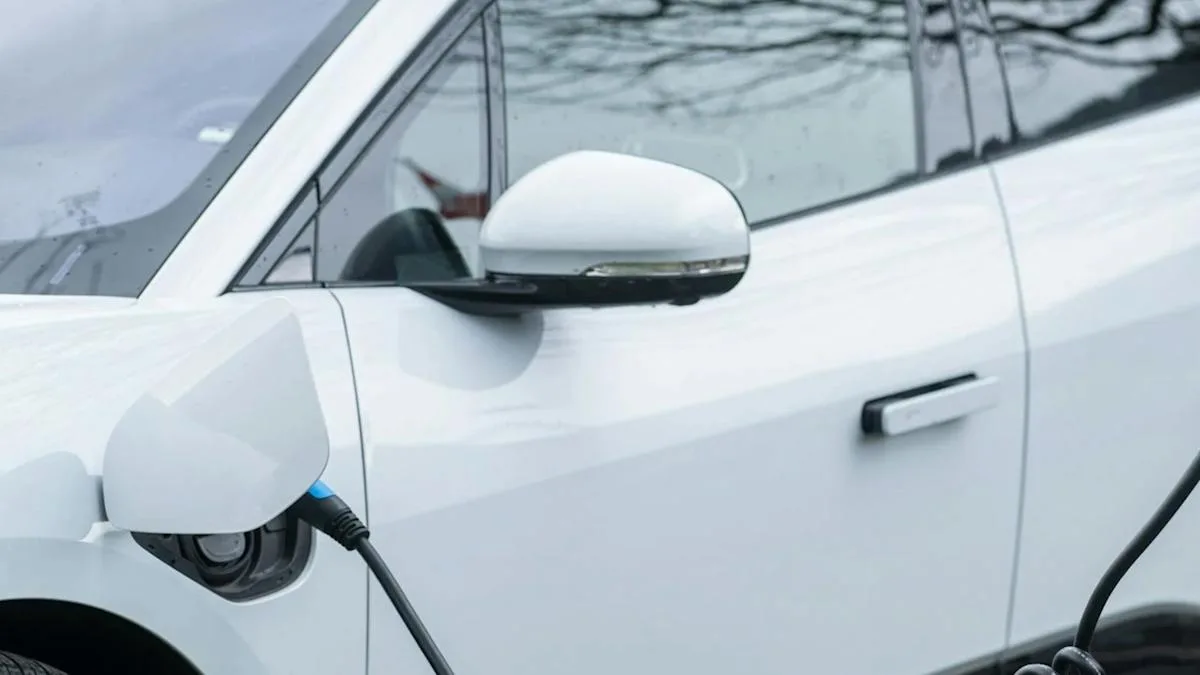
Under the new rule, vehicles sold in China must use traditional mechanical door handles. That instantly puts electric vehicle makers on notice — especially those that built entire design identities around flush-mounted, electronic handles that fail the moment a car loses power.
This wasn’t a surprise. It was inevitable.
Advertisement
Advertisement
Hidden door handles were sold as innovation. In reality, they were a styling gimmick that added marginal aerodynamic gains while introducing a very real risk: doors that can’t be opened when electronics fail. Fires. Severe crashes. Water submersion. These are not edge cases — they’re exactly when occupants and first responders need immediate access.
Emergency crews have been warning about this for years. In crash after crash, responders reported delays caused by doors that wouldn’t open because electronic systems were damaged or dead. Seconds lost in those situations can mean the difference between rescue and recovery. The industry heard the complaints and kept shipping the cars anyway.
Automakers — led by companies like Tesla — doubled down. Flush handles became a symbol of “the future,” copied across the EV market without serious consideration for what happens when that future stops working. Marketing departments won. Safety concerns got buried.
China finally called the bluff.
Advertisement
Advertisement
By banning the feature outright, regulators sent a message the industry didn’t want to hear: shaving a fraction of a mile off driving range is not worth trapping people inside a burning or disabled vehicle. Aerodynamics don’t matter when doors won’t open.
The decision also exposes a larger, uglier pattern. The modern auto industry has increasingly treated real-world buyers as beta testers. New tech gets rushed into production, flaws get “addressed” later, and regulators are left to clean up once enough incidents pile up. Hidden door handles weren’t essential. They were optional — and they still made it onto millions of vehicles.
While the ban technically applies only to China, pretending this won’t affect global vehicle design is fantasy. China is too large to ignore. Automakers now face an expensive reckoning: build China-only versions or quietly abandon a feature they once hyped as revolutionary. History suggests they’ll retreat, quietly, and pretend it was always the plan.
For consumers, this may be one of the rare moments where regulators moved faster than the industry. For automakers, it’s a warning that the era of unchecked design gimmicks is ending.
China didn’t just ban a door handle. It exposed a mindset — one that prioritized aesthetics and marketing over basic safety — and forced the EV industry to confront the consequences.