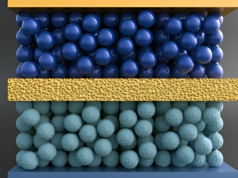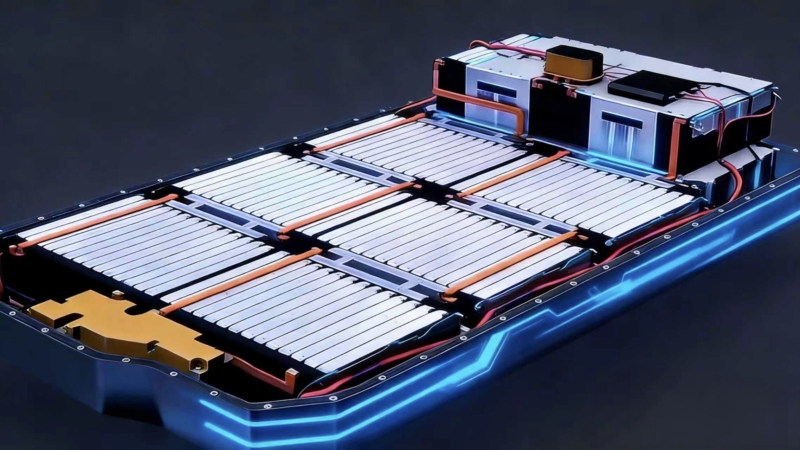
China’s solid-state battery race has entered the early production and pilot deployment phases in 2026, with both battery suppliers and automakers confirming commercialisation timelines and targeting full adoption of solid-state batteries later this decade.
Announcements from multiple battery suppliers and automakers indicate that solid-state battery development in China has entered a phase of overlapping pilot production and vehicle-integration programs, with several companies targeting demonstration vehicles around 2027 and broader deployment later in the decade.
Unlike lithium iron phosphate (LFP) and ternary lithium batteries, China’s solid-state sector does not yet have a single dominant supplier. Instead, companies are advancing different electrolyte chemistries, including sulfide, oxide, polymer, and hybrid “condensed-state” architectures, across various stages of commercialisation, while vehicle manufacturers prepare demonstration programs to validate integration.
CATL, the world’s largest EV battery manufacturer, is pursuing several parallel solid-state pathways. Its condensed-state battery, a hybrid solid-liquid design, has achieved energy densities of around 500 Wh/kg and is in early production expansion. The company has also completed pilot development of sulfide-based all-solid-state batteries targeting 450–500 Wh/kg, with pilot production planned around 2026 and initial vehicle integration expected in 2027.
BYD is developing sulfide-based solid-state batteries using high-nickel cathodes and silicon-based anodes. These cells target approximately 400 Wh/kg and up to 10,000 charge cycles. BYD is also expanding oxide-based battery production capacity, including a planned 20 GWh line in Chongqing, expected to support demonstration-vehicle integration before potential wider deployment closer to 2030.
Gotion High-Tech has announced plans to begin production in 2026 and to target a pilot deployment of all-solid-state batteries around 2027. Its Jinshi battery prototype has demonstrated an energy density of approximately 360 Wh/kg, according to company disclosures.
Other suppliers are focusing on specific solid-state chemistries. Ganfeng Lithium is developing oxide-based solid-state batteries paired with lithium-metal anodes, targeting 360–400 Wh/kg and initial production readiness around 2026–2027. QingTao Energy is targeting commercialisation around 2027, while Sunwoda Electronic and SVOLT Energy are advancing polymer and sulfide-based designs, respectively.
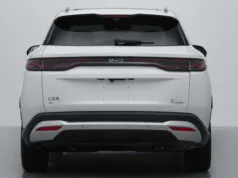
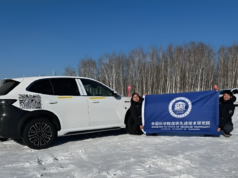
At the vehicle level, several automakers have confirmed plans to introduce solid-state batteries in demonstration fleets. Geely and Chery have both stated they aim to begin vehicle demonstrations around 2027, aligning with industry-wide timelines linking battery pilot production to real-world validation.
State-owned automakers are also participating. Dongfeng Motor has previously presented solid-state battery development programs targeting vehicle applications later this decade. Meanwhile, GAC Aion has disclosed research on solid-state batteries and plans for future vehicle integration, alongside its ongoing work on next-generation high-energy-density battery systems.
China’s solid-state battery supply chain also includes equipment and materials companies. Lead Intelligent supplies production equipment designed for solid-state manufacturing processes, while materials suppliers are developing electrolytes and cathodes compatible with future battery architectures.
Solid-state batteries are widely viewed within the industry as a potential step to increase energy density and improve thermal stability by replacing flammable liquid electrolytes with solid materials. Industry timelines from battery makers and automakers indicate 2026 marks the start of expanded production and pilot manufacturing, while vehicle demonstration programs are expected around 2027. Broader commercial deployment of fully solid-state batteries remains targeted for 2027-2030, depending on manufacturing scale-up and vehicle integration progress.
Sources: CLS, CATL, BYD

Follow us for ev updates