
The China Automotive Industry Market has established itself as a critical driver of industrial growth, technological innovation, and consumer trends – not just domestically but across international supply chains. The China automotive industry is projected to grow from 350 USD billion in 2024 to 600 USD billion by 2035, indicating robust expansion and strong investor interest. Growing incomes, urbanization, and supportive government policies continue to fuel demand. In this blog, we dive deep into the key market drivers, competitor insights, technological advancements, and regional insights shaping China’s auto industry landscape today.
Get Free Sample PDF Brochure: https://www.marketresearchfuture.com/sample_request/12675
Key Market Drivers
China’s auto industry growth is underpinned by a set of powerful and interlinked drivers. First, rising disposable incomes and expanding middle class demographics have increased the demand for private vehicles. In many urban and semi-urban centers, owning a car is perceived as a marker of status and convenience – particularly where public transportation may not offer the coverage or flexibility required. Additionally, aggressive urbanization and migration from rural to urban areas are sparking a surge in vehicle purchases, as families resettle and seek improved mobility.
Second, supportive policies from the government have played a decisive role. Subsidies for electric vehicles (EVs), favorable tax regulations, and incentives for domestic manufacturers encourage both supply-side scaling and demand-side uptake. For example, many provinces offer incentives for new-energy vehicles, making EVs more affordable and appealing to first-time buyers. Such measures also align with China’s broader push towards sustainable development and reduction of urban pollution.
Third, infrastructure development across highways, urban ring roads, and improved logistics corridors increases the attractiveness of car ownership. As wider road networks make commuting easier and more efficient, consumers are more inclined to invest in personal vehicles. Logistics and commercial vehicle demand – driven by booming e-commerce and freight transport – further contribute to industry growth, broadening the market beyond passenger cars.
Finally, increasing environmental awareness among consumers and tighter emissions regulations have nudged both automakers and buyers toward cleaner, greener vehicle options. This shift is particularly relevant in tier 1 and tier 2 cities, where air quality and environmental standards are under scrutiny. All these elements combine to create a strong tailwind for sustained growth in the Chinese automotive market.
Browse In-depth Market Research Report:
https://www.marketresearchfuture.com/reports/china-automotive-industry-market-12675
Competitor Insights
Competition in China’s auto industry is fierce and multifaceted. Domestic manufacturers have gained significant ground, challenging foreign incumbents in both volume and innovation. Several home-grown automakers have carved strong niches in electric and hybrid vehicles, leveraging deep understanding of local consumer preferences and efficient supply chains. Their cost efficiencies – due to scale manufacturing, domestic sourcing, and favorable labor dynamics – give them an edge in pricing and profitability.
Foreign automakers, however, are not standing still. Many global brands have formed joint ventures with Chinese counterparts to leverage local expertise, comply with regulatory norms, and maintain market share. For premium vehicle segments – where luxury, brand pedigree, and advanced features matter most – foreign brands continue to draw affluent buyers, especially in big cities. Yet, the value-seeking middle class is increasingly gravitating toward domestic brands that offer comparable quality at lower price points.
We also observe rising competition among new-energy vehicle (NEV) specialists. Several startups and smaller firms are emerging with aggressive pricing, lean operational models, and innovative financing or leasing solutions – targeting younger buyers, first-time vehicle owners, or city dwellers seeking compact, eco-friendly mobility. This competitive pressure pushes legacy automakers to accelerate electrification, adopt flexible manufacturing processes, and refresh their product portfolios.
The result is a dynamic and evolving ecosystem: established legacy automakers, new energetic competitors, NEV-focused startups, and globally connected joint ventures – all vying for share. This intense rivalry fosters innovation, improves product quality, and delivers more choice to consumers, but it also demands agility, cost management discipline, and strategic adaptation from all players.
Buy Now Premium Research Report:
https://www.marketresearchfuture.com/checkout?currency=one_user-USD&report_id=12675
Technology Advancement
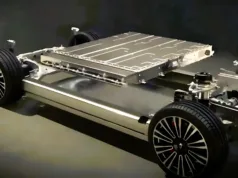
One of the most transformative forces reshaping China’s auto industry is the rapid pace of technological advancement. Automakers are investing heavily in electric drivetrains, battery technologies, and charging infrastructure – enabling new energy vehicles to move from niche to mainstream. Battery costs have fallen dramatically, while energy density and charging speeds are improving, making electric vehicles viable for daily use and long-distance travel.
Moreover, advancements in autonomous driving and driver-assist systems are gaining traction. Many Chinese automakers – from legacy giants to agile startups – are integrating advanced driver assistance systems (ADAS), lane-keeping, adaptive cruise control, and even partial autopilot features in mid- to high-tier models. This rising sophistication appeals especially to young professionals and tech-savvy buyers in urban areas, who view vehicles not just as transport but as an extension of smart, connected lifestyles.
Connected car technologies, over-the-air (OTA) updates, and in-car infotainment systems are also becoming standard. Vehicle software platforms allow remote diagnostics, predictive maintenance, real-time traffic information, and even integration with smart home devices – enhancing convenience, safety, and user experience. As automotive becomes less mechanical and more electronic-software driven, manufacturers who can combine hardware reliability with software agility stand to gain a major advantage.
Simultaneously, the supply chain is adapting: domestic firms are building capability around semiconductor content, electric powertrain components, and battery supply – reducing dependency on foreign suppliers. This shift boosts resilience in times of global supply disruptions and aligns with national strategic goals of technological self-reliance. The interplay between electric propulsion, software-defined mobility, and localized supply-chain modernization positions China’s auto industry as a potential global leader in next generation vehicles.
Regional Insights
Regional variation within China plays a crucial role in shaping market dynamics. In first tier metropolitan areas – such as megacities with high population density and heavy traffic – demand for compact EVs, hybrids, and urban-friendly vehicles is highest. Consumers in these regions prioritize ease of parking, lower emissions, and efficient commuting, which explains why hatchbacks, small sedans, and compact SUVs are especially popular among younger urban buyers.
Conversely, in second- and third tier cities and peri-urban regions, demand leans toward value-for-money sedans and affordable SUVs, often powered by traditional internal combustion engines. Many consumers in these areas purchase vehicles not only for personal mobility but also for business purposes, family travel, and occasional long-distance travel – which drives demand for vehicles that offer practicality and comfort at modest price points.
Meanwhile, coastal provinces and economically advanced regions (with higher per-capita incomes) tend to show greater adoption of luxury vehicles and premium EVs. Affluent buyers in such areas are more open to imported brands or high-end domestic models, often preferring brand image, status, performance, and comfort. In contrast, inland provinces with lower cost-of-living and modest incomes favor economic and budget-friendly models.
Regional government incentives also vary – some provinces extend substantial subsidies and tax reductions for electric or hybrid vehicles, while others focus on improving infrastructure or logistics support. This patchwork of policies contributes to uneven but complementary growth across regions, enabling market penetration at multiple socioeconomic levels.
Finally, rural areas and remote regions – though currently less penetrated – represent a latent growth opportunity. As road infrastructure improves and standards of living rise, even rural demand can contribute to volume growth – especially in affordable SUV and multipurpose vehicle segments, where ruggedness and reliability are prioritized over luxury or high-tech features.
What This Means for the Future
The trajectory of the China automotive industry suggests a future where electric and connected vehicles dominate the roads, domestic automakers rise in global influence, and regional diversity drives tailored product strategies. Consumers can expect more choices: from budget friendly, practical vehicles for everyday use to high end, tech infused EVs that rival global luxury offerings.
Automakers will need to maintain agility – responding to shifting regional demand, evolving regulations, and rapidly advancing technology. Success will likely depend on a combination of localized manufacturing, strong R&D in electrification and software, and sensitivity to regional consumer preferences.
For investors, suppliers, and industry watchers, this represents a compelling landscape: China is not just a manufacturing base, but increasingly a hub for automotive innovation and growth. As domestic brands mature and global collaborations deepen, the China automotive market may well set global trends rather than just follow them.
In essence, the China automotive industry stands at the intersection of demand growth, technological disruption, and regional diversification – poised to reshape mobility not only within its borders but across the global automotive ecosystem.
More Related Reports:
China Motorsport Products Market: https://www.marketresearchfuture.com/reports/china-motorsport-products-market-44440
China Car Rental Market: https://www.marketresearchfuture.com/reports/china-car-rental-market-45875
China Truck Rental Market: https://www.marketresearchfuture.com/reports/china-truck-rental-market-45887
China Auto Parts Market: https://www.marketresearchfuture.com/reports/china-auto-parts-market-47096
China Golf Cart Market: https://www.marketresearchfuture.com/reports/china-golf-cart-market-47035
China Semi Trailer Market: https://www.marketresearchfuture.com/reports/china-semi-trailer-market-47078
China Tractor Market: https://www.marketresearchfuture.com/reports/china-tractor-market-48056
China Automotive Electric Bus Market: https://www.marketresearchfuture.com/reports/china-automotive-electric-bus-market-54219
China Electric Vehicles Battery Market: https://www.marketresearchfuture.com/reports/china-electric-vehicles-battery-market-54195
China Low Speed Vehicle Market: https://www.marketresearchfuture.com/reports/china-low-speed-vehicle-market-54234
Market Research Future (Part of Wantstats Research and Media Private Limited)
99 Hudson Street, 5Th Floor
New York, NY 10013
United States of America
+1 628 258 0071 (US)
+44 2035 002 764 (UK)
Email: mailto:sales@marketresearchfuture.com
Website: https://www.marketresearchfuture.com
About Market Research Future:
Market Research Future (MRFR) is a global market research company that takes pride in its services, offering a complete and accurate analysis regarding diverse markets and consumers worldwide. Market Research Future has the distinguished objective of providing the optimal quality research and granular research to clients. Our market research studies by products, services, technologies, applications, end users, and market players for global, regional, and country level market segments, enable our clients to see more, know more, and do more, which help answer your most important questions.
This release was published on openPR.