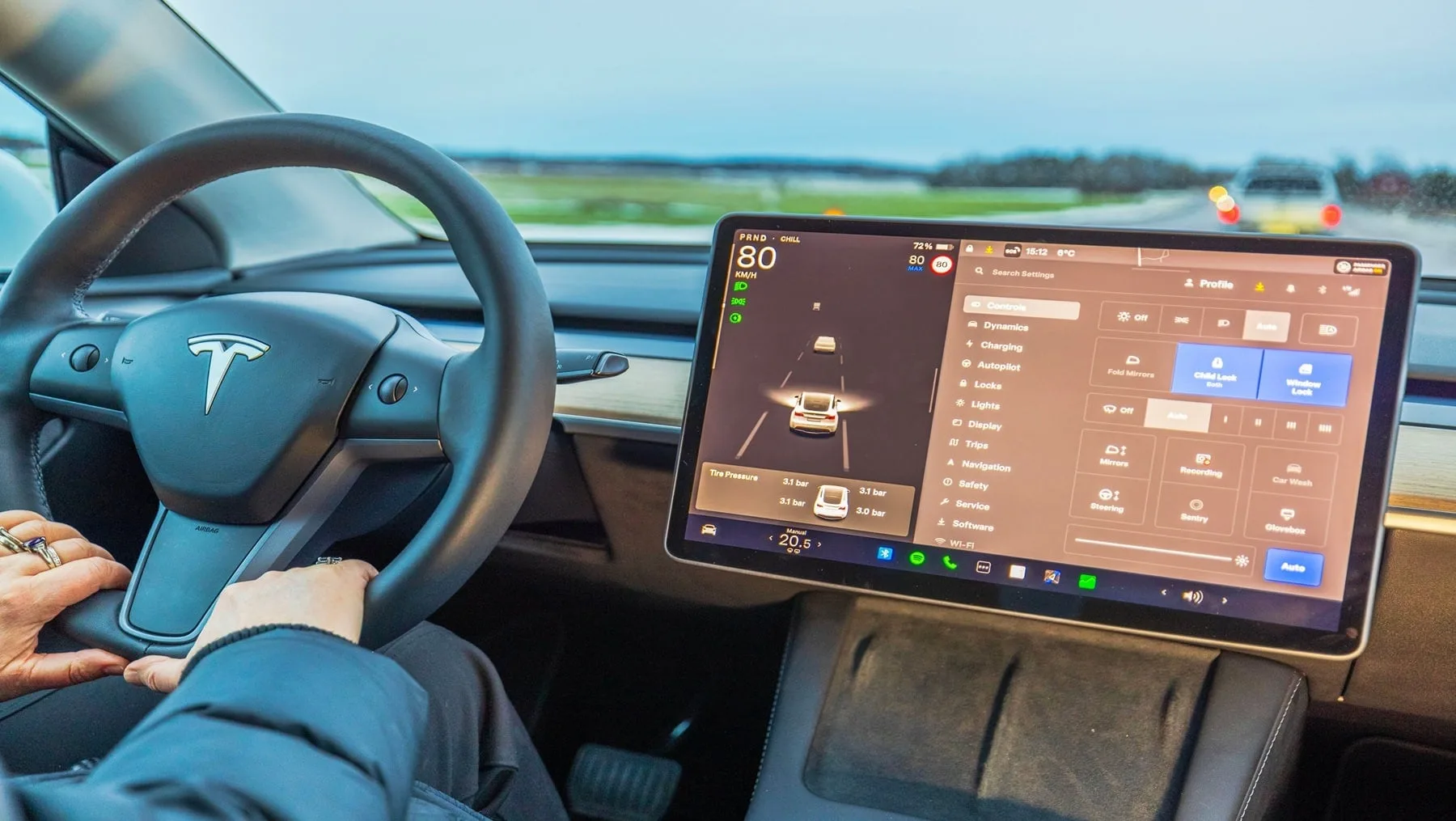
Car enthusiasts rejoice: China is taking aim at screen-heavy cabins with digital buttons in one of the country’s latest regulations.
Recently, China’s Ministry of Industry and Information Technology has been targeting many of the technology innovations championed by Tesla and implemented in most electric vehicles. First, China announced an upcoming ban on hidden door handles following multiple deaths linked to this technology. Now, the country’s ongoing safety regulations may ban steering yokes and limit touchscreens — two features increasingly common in Tesla vehicles.
China is planning for these new safety standards to take effect on January 1st, 2027. According to Autohome, the MIIT is set to replace a 2011 crash safety standard, including the implementation of impact testing at 10 specific points around the steering wheel rim, including a point at the top. And steering yokes don’t have a top rim by design. You know, since they are missing the entire top half of the rim.
This is in response to internal data that states 46% of driver injuries originate with the steering column. States Autohome: “Traditional circular steering wheels provide a large area of cushioning when the driver leans forward, while the open structure of a half-spoke steering wheel makes it very easy for a person to bypass the steering wheel and directly impact the steering column or dashboard in a secondary collision, drastically increasing the risk.” The shape of the steering yoke is also being deemed to have an “extremely unstable fragmentation path and support structure” when airbags are deployed.
Plus, this would impact the Tesla Cybertruck, and who wants that driving around their country?
But that’s not all: Chinese regulators are also looking into vehicles with screen-based interiors. According to Automotive News, the country has growing concerns about screen-focused dashboards and feels there should be fixed, controlled buttons or switches for turn signals, hazard lights, gear selection, and other emergency functions.
Why is China getting all the cool bans? While some brands, like Volkswagen, are going back to physical buttons — famously saying “it’s not a phone, it’s a car” — and Ferrari is looking to avoid massive screens in favor of more integrated small screens and old-school, stylized knobs, most modern vehicles slap a bunch of screens on the dash and call it a day. And car enthusiasts have been bummed about it for years, missing the immersive, engaging feel of turning a knob. But it’s not just crazy car lovers; regular drivers also note the safety concerns of staring at screens and scrolling through menu after menu. Looking at phones caused thousands of deaths in 2023.
I’m with China: ban the excessive screens! Bring back the buttons (with a minimum size of 10mm by 10mm, or whatever that is in American speak). This could very well happen, of course, as the rest of the world often follows suit whenever China makes major changes to automotive regulations and innovations.
Tesla continues to struggle in China
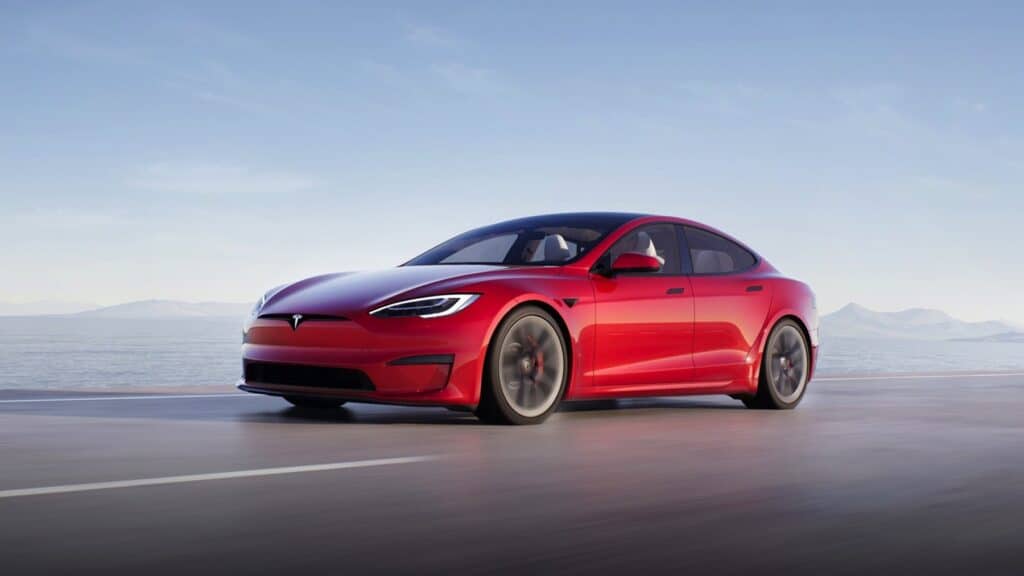
I can’t help but wonder how all these regulations will impact Tesla, which is already struggling in China. The hidden door handle ban will already cost Tesla an estimated $14 million per vehicle, and Tesla has already agreed to make the door handle changes to comply with China’s new rules.
Tesla’s domestic sales in China fell 45% year over year in January 2026, with just 18,485 units selling to drivers in the country. This is Tesla’s lowest monthly figures since November 2022, according to the China Passenger Car Association (CPCA). It’s a big drop from December’s record-high 93,843 sales, though this was due to Chinese residents rushing to buy new electric vehicles before they were no longer exempt from the country’s purchase tax.
Tesla’s sales reflect overall EV sales in China, which rose in December 2025 and then declined sharply in January 2026. However, Tesla is slowly losing its popularity in the country as it continues to introduce its own EVs at a lower price (and with more capabilities). The Tesla Model Y has dropped to 20th place in passenger vehicles, while the Xiaomi YU7 is currently in the number one spot. In January 2026, it sold more than half the amount of Tesla’s entire lineup.
Tesla’s reign in China is likely coming to an end, especially as the country’s bans continue to target the carmaker.