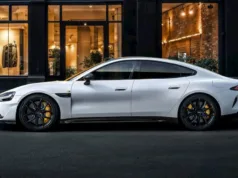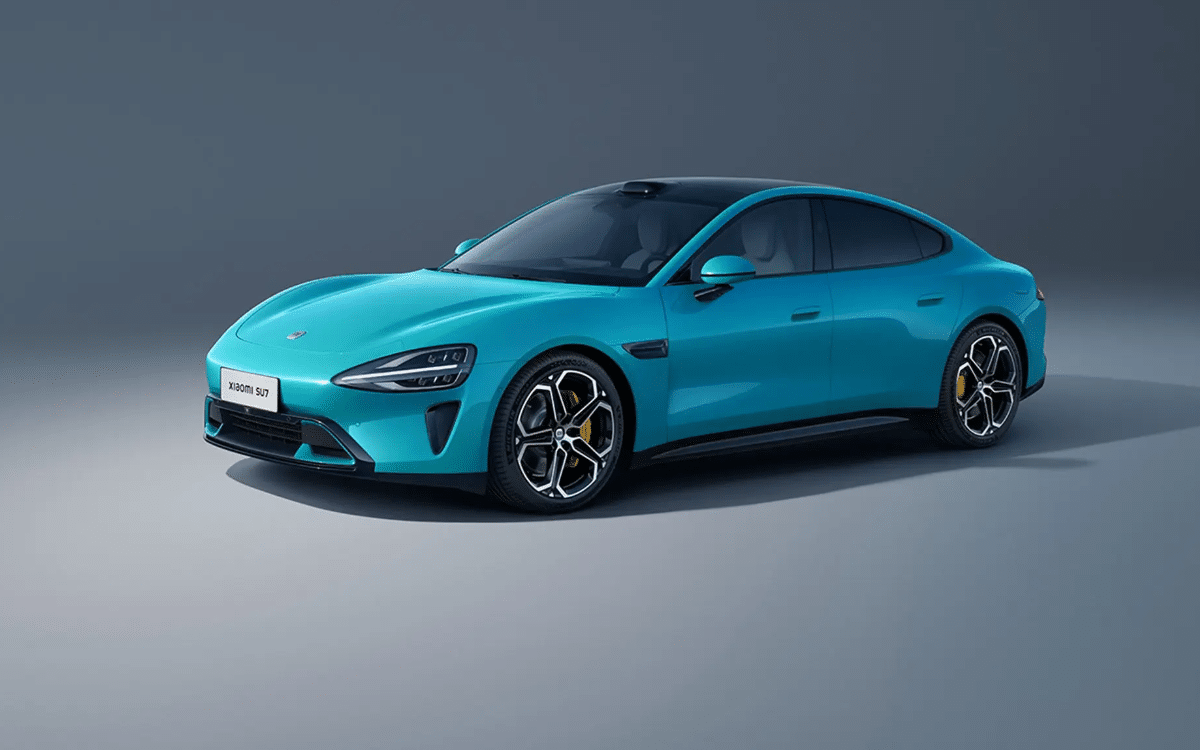
A car made by Xiaomi – a company better known for smartphones – has just pulled off something no one had managed in years.
Not by launching an EV, but by overtaking the benchmark electric sedan in China.
In the world’s biggest EV market, the usual order shifted.
And for the first time since Tesla arrived, the Model 3 wasn’t leading the chart.
DISCOVER SBX CARS – The global premium auction platform powered by Supercar Blondie
How Xiaomi’s first car managed to outsell the Model 3
In 2025, Xiaomi delivered 258,164 units of its SU7 electric sedan in China.
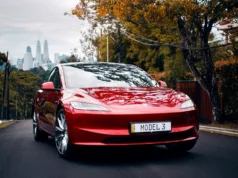
Over the same period, Tesla sold 200,361 examples of the Tesla Model 3.
It’s the first time since Tesla’s Chinese debut in 2019 that another brand has outsold it in this segment, and the shift is hard to ignore.
What makes the result more striking is how quickly it happened.
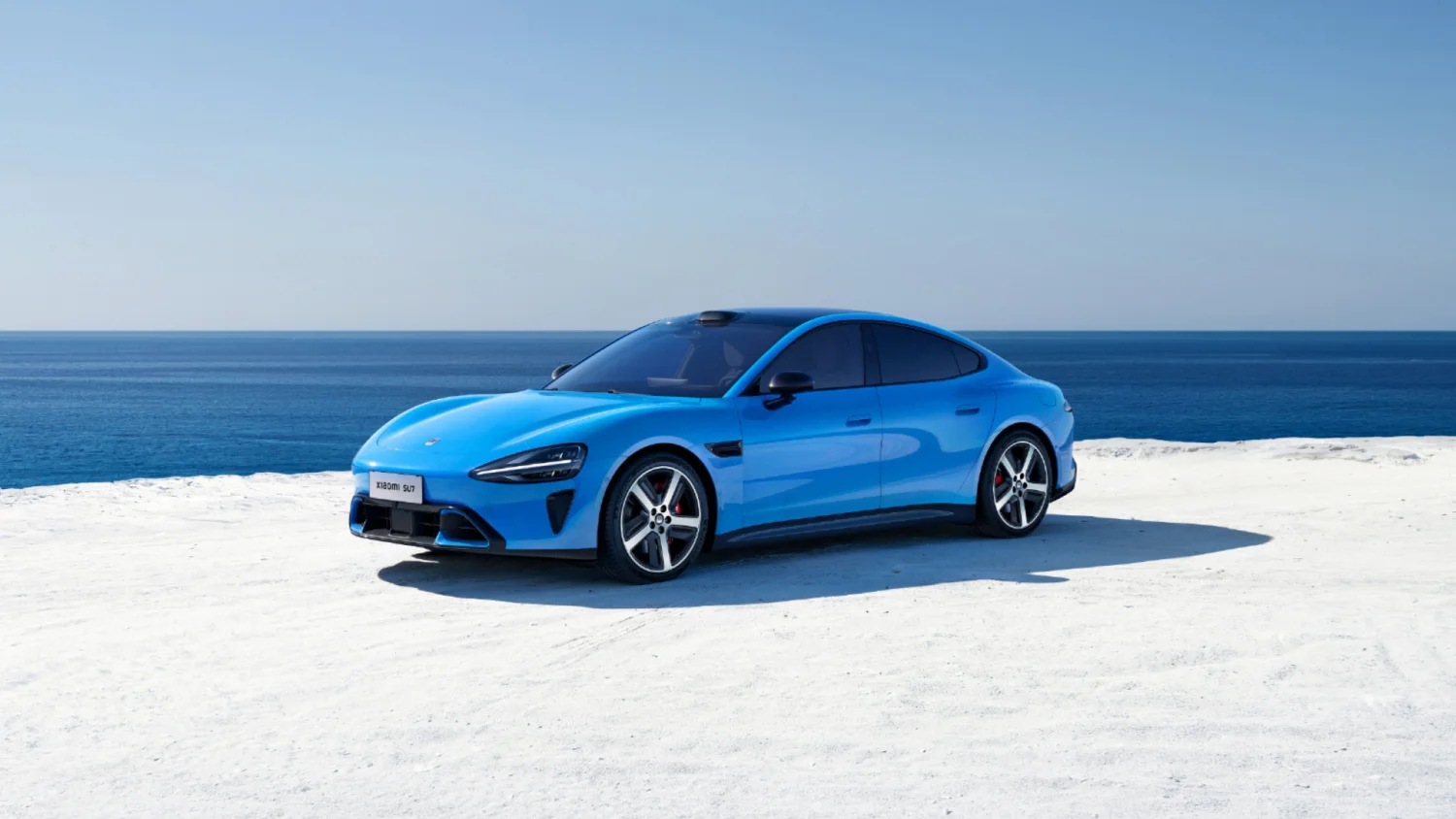
The Xiaomi SU7 only launched in China in April 2024.
Yet within a year, it had not only found an audience but scaled fast enough to pass one of the most established EV nameplates in the world.
Pricing played a role, but it wasn’t the whole story.
Xiaomi undercut the Model 3 by roughly nine percent at the entry level, which matters in a value-conscious market.
At the same time, the SU7’s quoted 700km CLTC range comfortably beats the Model 3’s 606km figure, and range numbers still carry real weight with Chinese buyers.
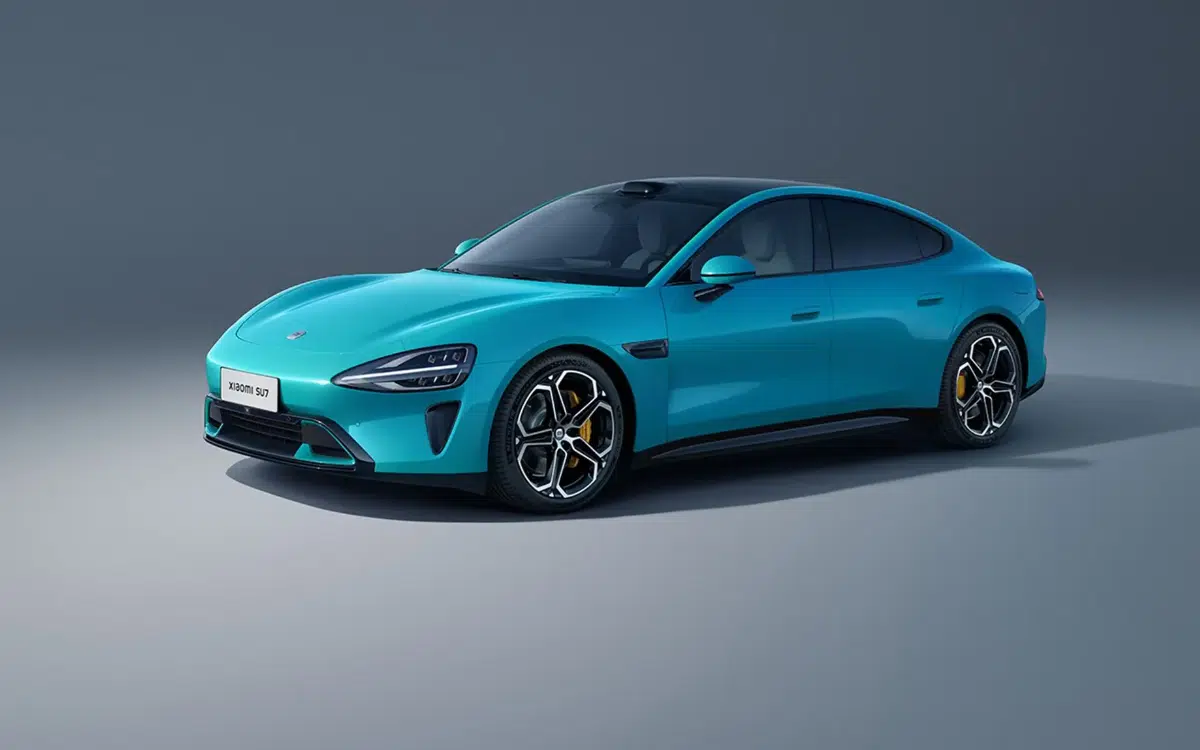
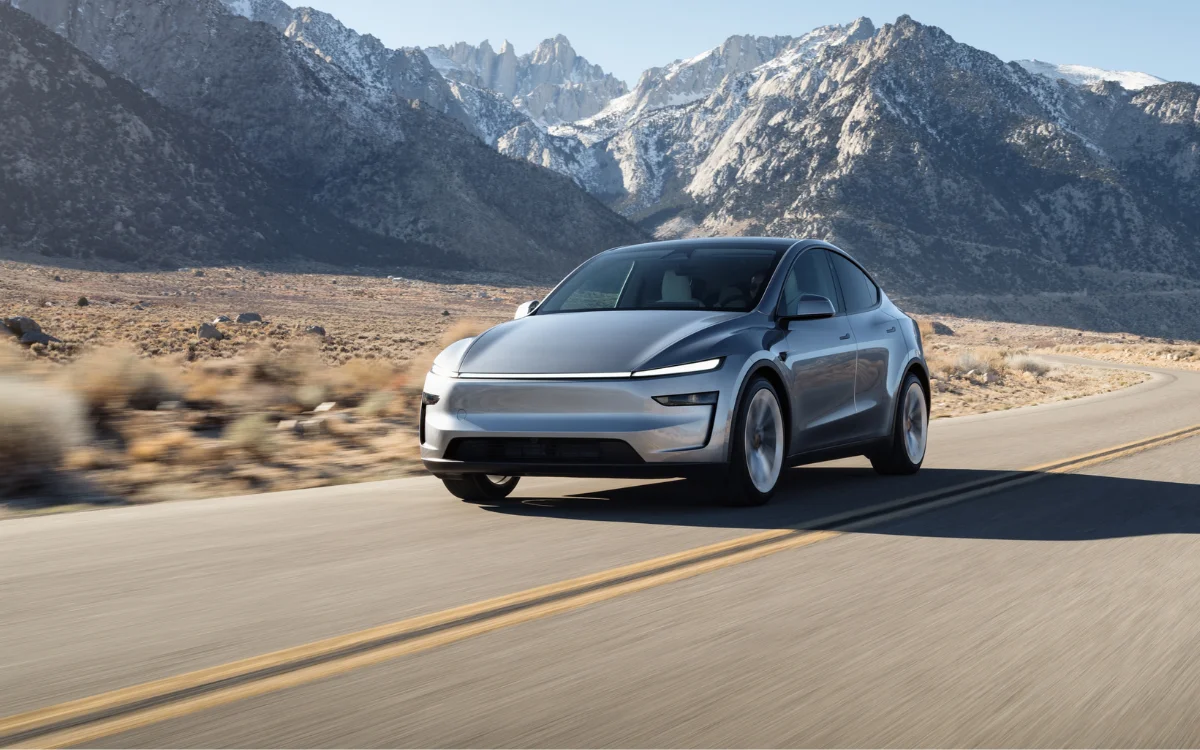
Beyond the spec sheet, Xiaomi leaned into what it already does well.
The SU7 ships with deep HyperOS integration, familiar software, and driver-assistance features included rather than locked behind paywalls.
For millions of customers already living inside Xiaomi’s ecosystem, the transition from phone to car felt natural rather than experimental.
Just as importantly, Xiaomi proved it could ramp production quickly once demand hit, avoiding the long waits that can cool early momentum.
Click the star icon next to supercarblondie.com in Google Search to stay ahead of the curve on the latest and greatest supercars, hypercars, and ground-breaking technology
What this says about China’s EV market, not just Xiaomi or Tesla
For years, the Model 3 has been the reference point.
It helped normalize EV ownership in China and held onto the premium electric sedan crown despite waves of local challengers promising sharper prices or flashier features.
None of them managed to unseat it at scale.
But this time it’s different.
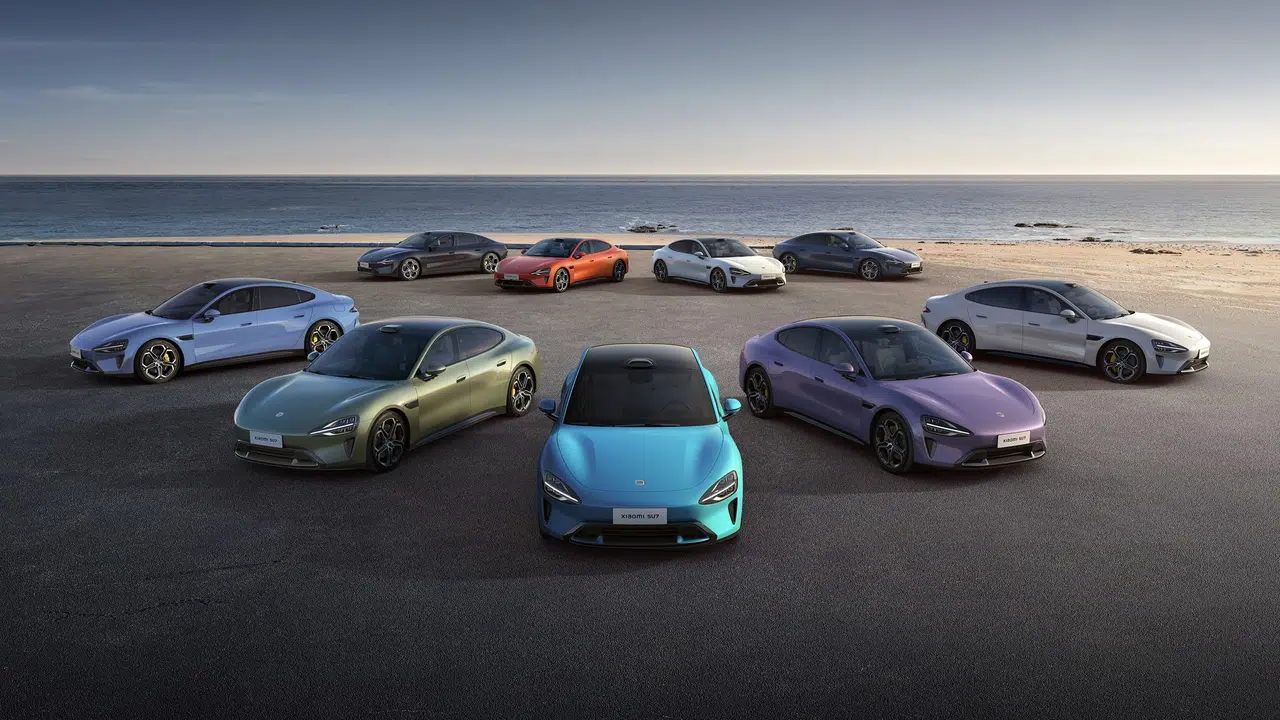
Xiaomi didn’t pitch the SU7 as a novelty or a disruptor for disruption’s sake.
Instead, it built an EV that fits neatly into how Chinese consumers already use technology, blending hardware, software, and services into a single, familiar package.
That shift matters.
It suggests buyers are increasingly comfortable trusting domestic brands on quality and execution, not just affordability.
For Tesla, it’s a reminder that leadership in China can’t be taken for granted.
For the market as a whole, it signals that the next phase of competition may be decided less by raw specs and more by ecosystems.
A smartphone company didn’t just build a car.
It built one that China was ready to choose.
DISCOVER SBX CARS:
The global premium car auction platform powered by Supercar Blondie