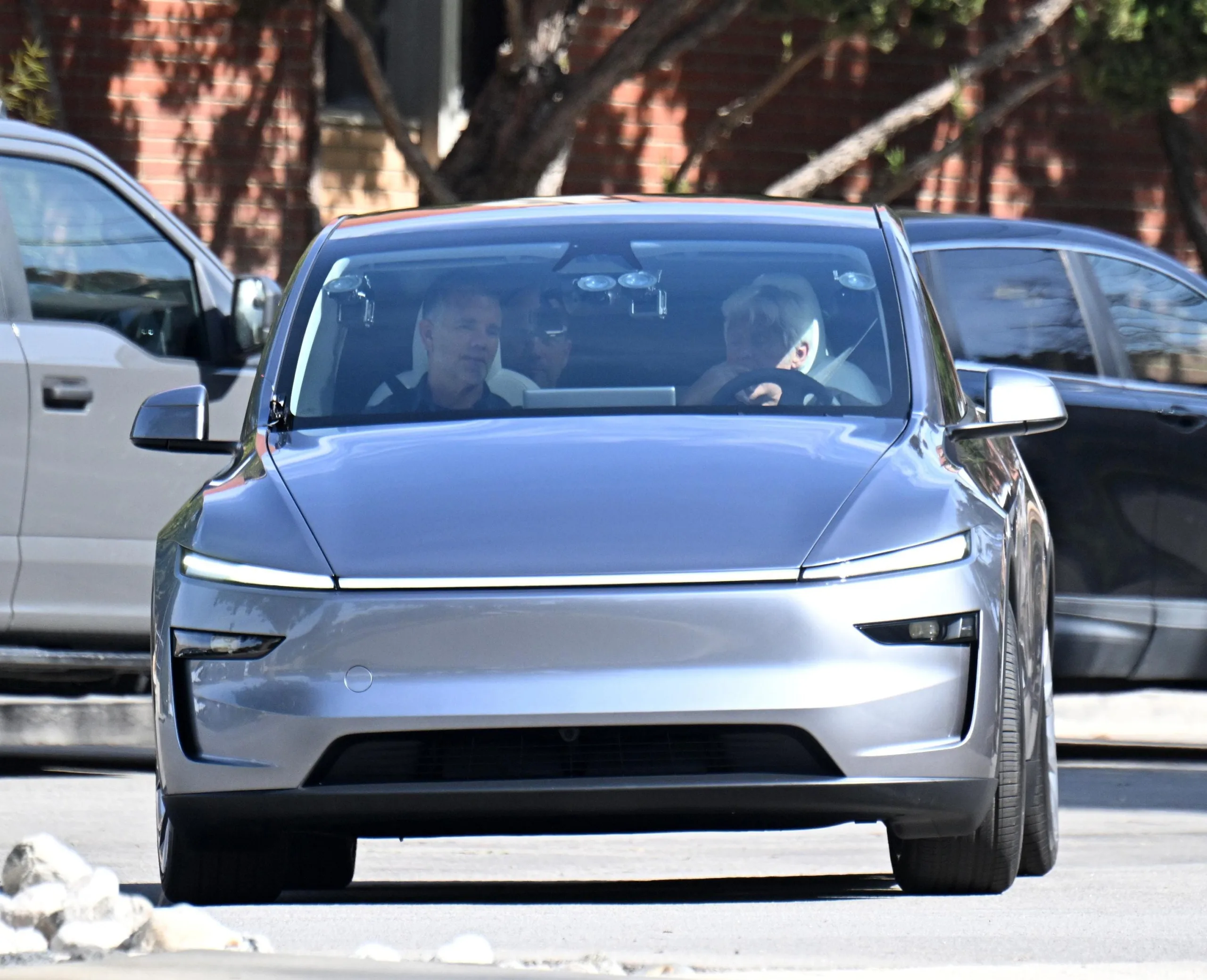

For more than a decade, Tesla has defined the global electric vehicle space. It forced established automakers to electrify, normalized over-the-air (OTA) updates, and proved that EVs could be fast, desirable, and profitable at scale. But in 2026, Tesla faces its most serious test yet—and it is coming from two directions: China’s rapidly advancing EV industry and growing scrutiny of Elon Musk’s political behavior.
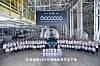
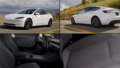
According to the latest industry data, BYD sold approximately 2.26 million battery-electric vehicles (BEVs) in 2025, surpassing Tesla’s deliveries of 1.63 million EVs over the same period. This marks the first time BYD has finished a full year ahead of Tesla in global BEV sales, beating its U.S. rival by more than 600,000 units.
The question investors, consumers, and competitors are now asking is no longer whether Tesla leads the EV market—but whether it can hold that position in a far more hostile global environment.
The Chinese EV Threat Is No Longer Theoretical
Chinese automakers are no longer “emerging” competitors. They are established, highly efficient manufacturers producing EVs at price points Western automakers struggle to match.
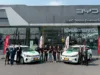
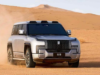
Brands such as BYD, SAIC (MG), Geely, Chery, and XPeng are flooding Europe, Southeast Asia, Australia, the Middle East, and South America with competitively priced, well-equipped electric vehicles. Many of these models undercut Tesla by tens of thousands of dollars while offering comparable range, advanced driver-assistance systems, and modern interiors. BYD EVs generally offer a lower entry price in Europe compared to Tesla, with models like the BYD Dolphin starting at around €29,000.
China’s advantage is structural. It controls much of the global battery supply chain, benefits from massive domestic scale, and operates within an ecosystem that allows rapid repetition and cost compression. Tesla, once the disruptor, now finds itself competing against companies that have learned from its playbook—and improved upon it.
Getty Images
The Canada Back Door Into North America
While prohibitive U.S. tariffs—from between 100% to 247.5%—currently block direct Chinese EV imports, Canada may soon become a strategic entry point to North America. If Chinese automakers establish manufacturing or final assembly operations in Canada, they could potentially gain preferential access to the broader North American market under existing trade frameworks.
Even without full market access, the psychological impact matters. Consumers exposed to lower-cost Chinese EVs in Canada may begin to question why comparable vehicles in the U.S. remain significantly more expensive. That pressure eventually lands on Tesla, whose pricing power has already eroded through repeated price cuts.
Tesla’s response—that of aggressive discounting—has protected volume but damaged margins and resale values. In the long run, competing solely on price against Chinese manufacturers is a battle Tesla is unlikely to win.
Tesla’s Brand Problem Is No Longer Just About Cars
Tesla’s challenges are not purely industrial. Increasingly, they are reputational.
Elon Musk’s growing involvement in international politics, social media controversies, and ideological battles has begun to bleed into Tesla’s brand perception—particularly outside the United States. In Europe, where Tesla once enjoyed strong environmental credibility, Musk’s political statements have coincided with declining market share and rising competition from both Chinese and European manufacturers.
While it would be simplistic to blame Tesla’s sales performance solely on Musk’s politics, brand association matters—especially for premium-priced products. Tesla is no longer a niche tech darling. It is a mass-market automaker selling millions of vehicles. At that scale, polarization becomes a commercial risk.
Some buyers are simply choosing alternatives that feel less politically charged.
Tesla still holds advantages in software integration, charging infrastructure, and manufacturing efficiency. However, the gap is narrowing quickly. Chinese automakers are advancing rapidly in battery chemistry, user interfaces, and driver-assistance technology—often at a faster pace than Western competitors constrained by regulatory restrictions.
Can Tesla Survive?
Yes—but survival will require change.
Tesla must diversify its product portfolio, accelerate development of genuinely affordable models, and rebuild its brand appeal beyond its CEO’s public persona. It must also accept that the future EV market will be crowded, margin-thin, and brutally competitive—more like consumer electronics than luxury automobiles.
Tesla changed the world once. The next challenge is learning how to compete in the world it created. Whether it can do that while facing Chinese scale and political headwinds will define the company’s next decade.