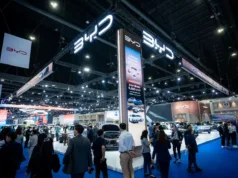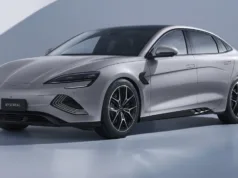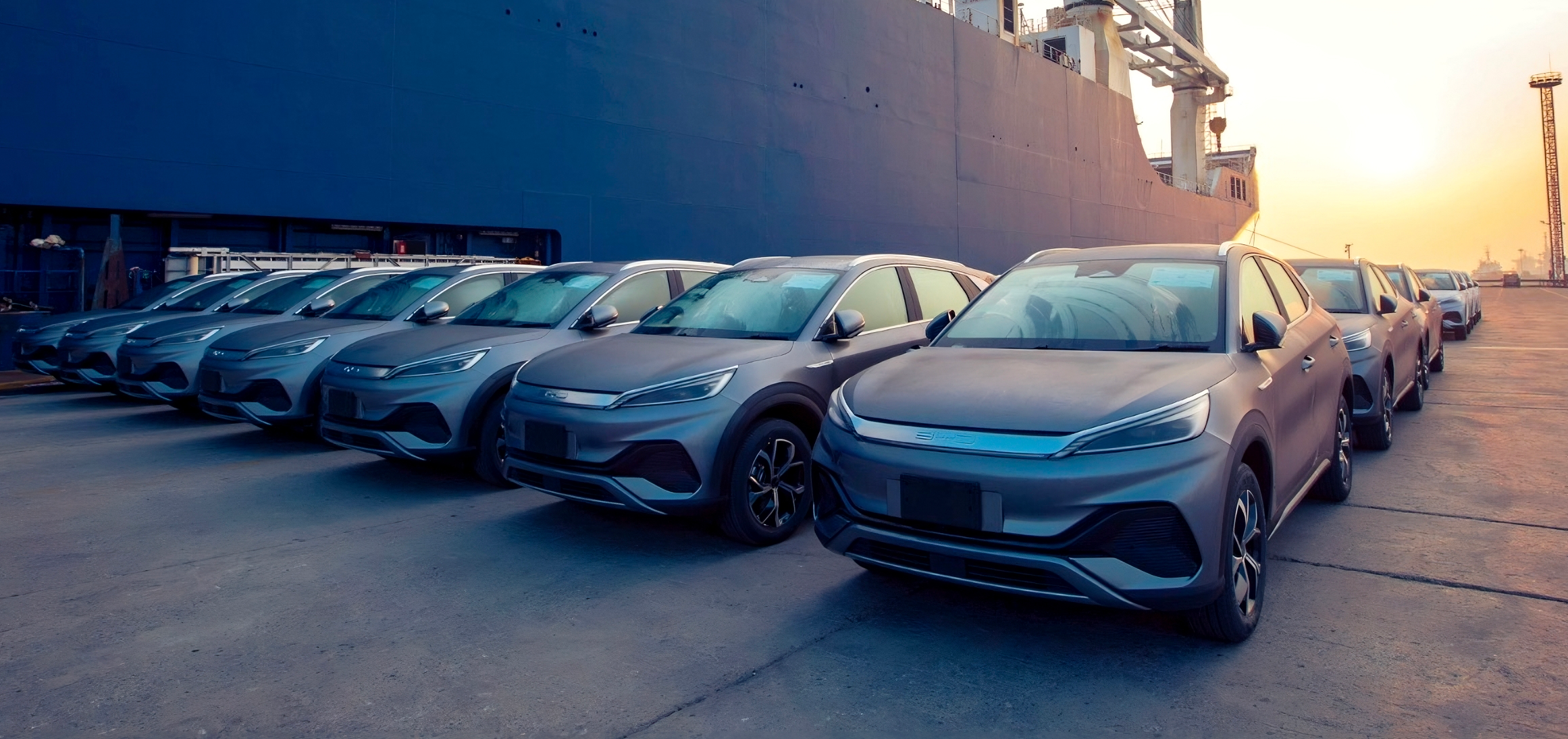
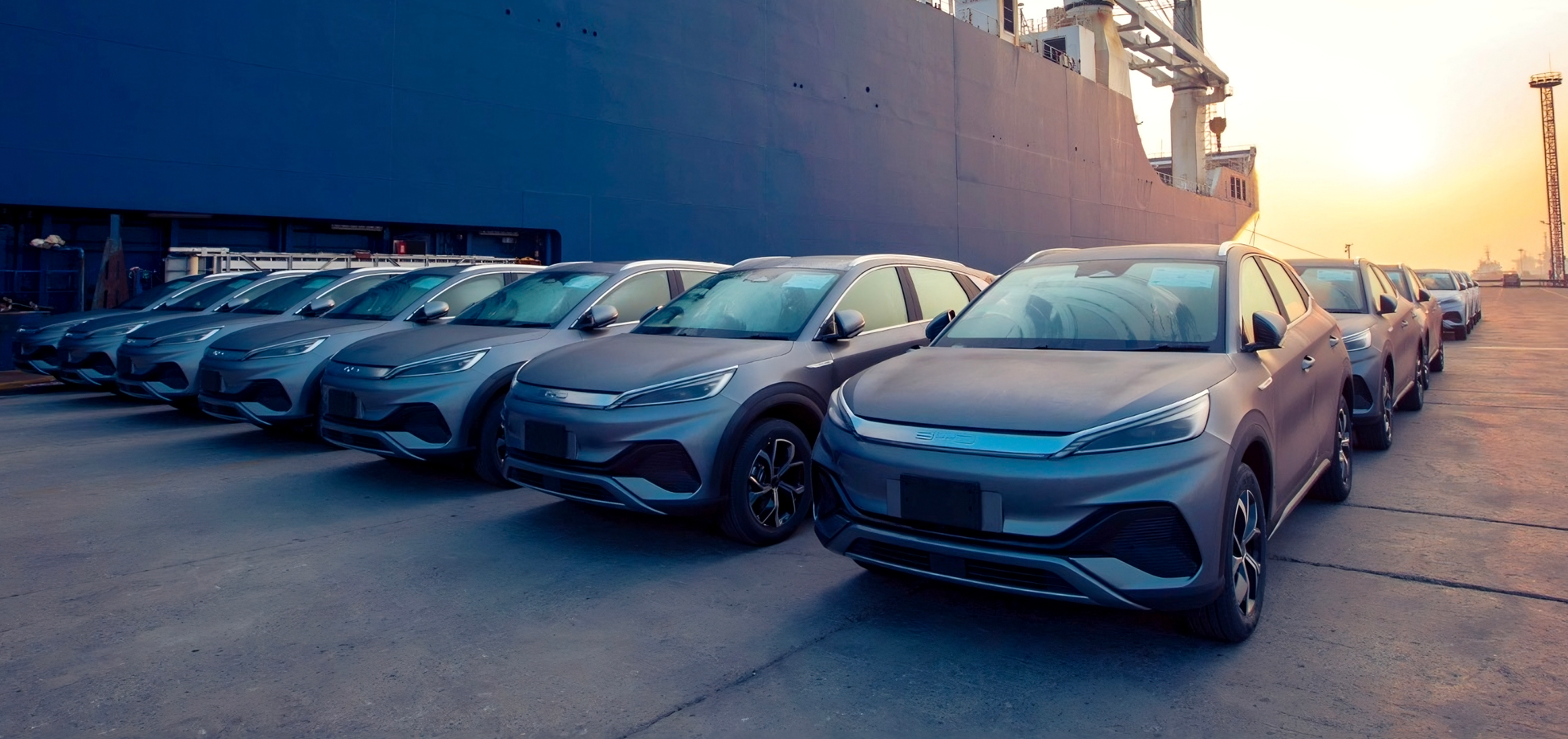
BYD has engaged an Ontario-based retail consultancy to identify up to 20 Canadian dealership locations, with three sites in the Greater Toronto Area sites already under discussion and expansion into Vancouver, Montreal, and Calgary likely to follow, according to the Globe and Mail. The push is a direct consequence of Canada’s January 2026 decision to reduce tariffs on a fixed number of Chinese-built electric vehicles (EVs) from 100% to 6.1%, a reversal that has opened the country to Chinese automakers for the first time.
For a market operating under a 49,000-unit annual import cap shared across all Chinese automakers, 20 stores is an aggressive commitment for a single automaker. Indeed, the infrastructure bet only makes commercial sense if BYD is confident that the quota will expand, and is positioning itself now to have the retail footprint in place when it does. As it stands, the cap is set to rise—but only to around 70,000 by 2030. More than half of the permitted vehicles are expected to carry import prices below CA$35,000 (US$25,400).
The Globe and Mail has reported that Chery is also working toward a Canadian retail presence through the same consultancy; Geely is also among the Chinese automakers eyeing a Canadian entry. Canadian consumers appear increasingly receptive to their presence: a February 2026 study revealed just 28% would be discouraged to buy a vehicle because of its Chinese origin against 61% a year prior.
However, Chinese automakers selling their cars in Canada will have to do so without access to rebates. As it stands, the country’s federal EV rebate programme applies only to vehicles built domestically or in free-trade-agreement countries, meaning that BYD models will not qualify. This could prove a meaningful disadvantage in a market where affordability is the primary competitive lever, but likely not a fatal one given the advantages of cost and scale already enjoyed by Chinese players.
Domestic manufacturing is another option, but developments on this front appear at a more tentative stage. BYD Executive Vice President Stella Li recently told Bloomberg that the automaker is open to building a wholly-owned Canadian manufacturing facility and would not consider the joint-venture structure the country has been encouraging Chinese automakers to adopt as a condition of the tariff deal.
That position appears to put BYD on a collision course with the policy intent behind the trade agreement, which was designed to attract manufacturing investment alongside retail sales. Other Chinese automakers have proven amenable to shared production agreements, with Geely and Renault in Brazil serving as the most noteworthy recent example. Others have erred towards contract manufacturing agreements: Magna Steyr produces vehicles for both GAC and Xpeng at its site in Graz, Austria.
Strikingly, Li also told Bloomberg that BYD is evaluating potential acquisitions of existing Western automakers, naming no targets but describing the company as “open to every opportunity”. All three Detroit automakers have written off tens of billions in cancelled EV programmes over the past eighteen months, but their size makes them unlikely targets for acquisition—as does the US government’s hawkish trade policies against Chinese automakers and connected car technology.
A Chinese acquisition of a North American brand would represent a category of geopolitical provocation well beyond selling affordable hatchbacks. Rivian would arguably be the most likely target for acquisition given its smaller size and continued struggles with profitability as an independent entity. It is entirely more likely that no acquisitions are a realistic option in the foreseeable future.
In apparent recognition of the growing presence of Chinese automakers on both borders, US President Donald Trump has signalled a willingness for Chinese automakers to set up domestic manufacturing on the condition that they hire local workers. Various industry lobbying groups subsequently petitioned his administration to maintain existing duties and block attempts at local manufacturing. Shortly after the Carney administration’s announcement of reduced tariffs, President Trump threatened fresh duties of 100% on Canada. Nothing came of this.
Beyond Canada, BYD is one of several Chinese players vying to acquire a shuttered Nissan-Mercedes-Benz plant in Mexico. The automaker also began production at its somewhat controversial plant in Brazil’s Bahia state last summer. As it stands, the US is the last major market fully insulated from the challenge that Chinese automakers pose to their global counterparts.
Clearly, BYD anticipates Canadian trade barriers on Chinese EVs to soften in a manner similar to what is unfolding in Europe. It appears the automaker is not waiting for this political tension to resolve, but actively planning the infrastructure to benefit if it does.