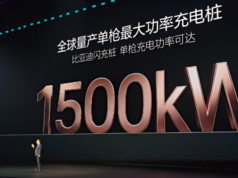
BYD officially launched the Seal 07 EV on March 5, 2026, debuting the manufacturer’s second-generation Blade Battery and flash-charging technology. The mid-size electric sedan enters the market in two trim levels priced between 169,900 yuan (23,470 USD) and 189,900 yuan (26,230 USD).
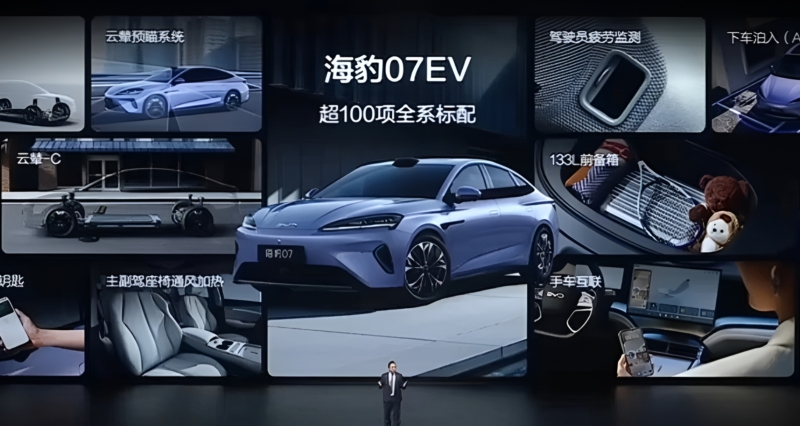
The Seal 07 EV utilises a rear-wheel-drive architecture with a 240 kW permanent-magnet synchronous motor. According to MIIT filings, the vehicle is equipped with a 69 kWh battery pack, providing a CLTC cruising range of 705 km. BYD claims the new powertrain maintains energy consumption below 10 kWh per 100 km. The second-generation Blade Battery integration accompanies a new 5.0 version of the “God’s Eye” (Tianzhen Zhiyan) driving assistance system, which supports city Navigation on ADAS (NOA) across all variants.
Model Variants
| Trim Level | Price (CNY) | Price (USD) | Battery Capacity | Range (CLTC) |
| 705 Honor Edition | 169,900 yuan | 23,470 USD | 69 kWh | 705 km |
| 705 Flagship Edition | 189,900 yuan | 26,230 USD | 69 kWh | 705 km |
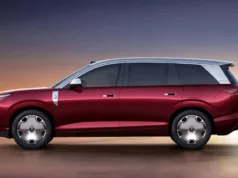
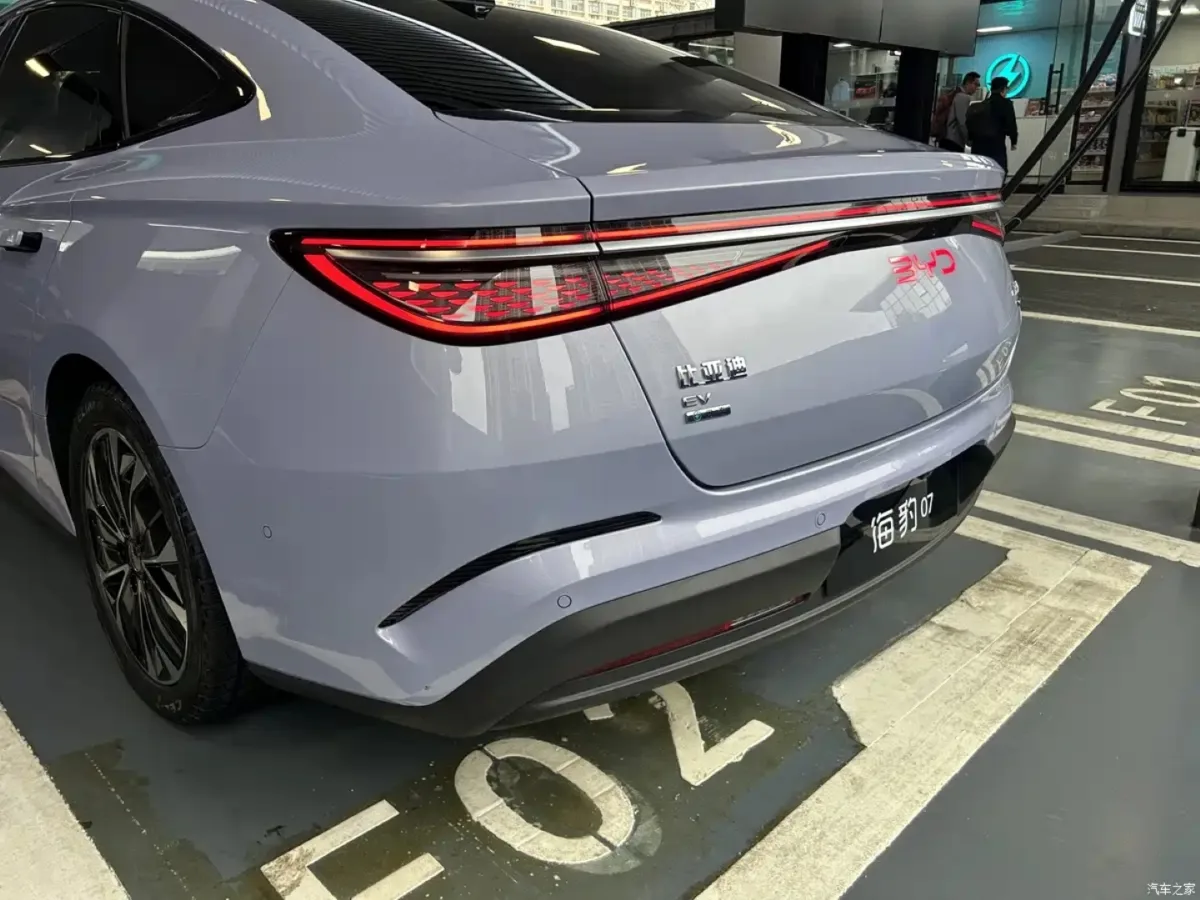
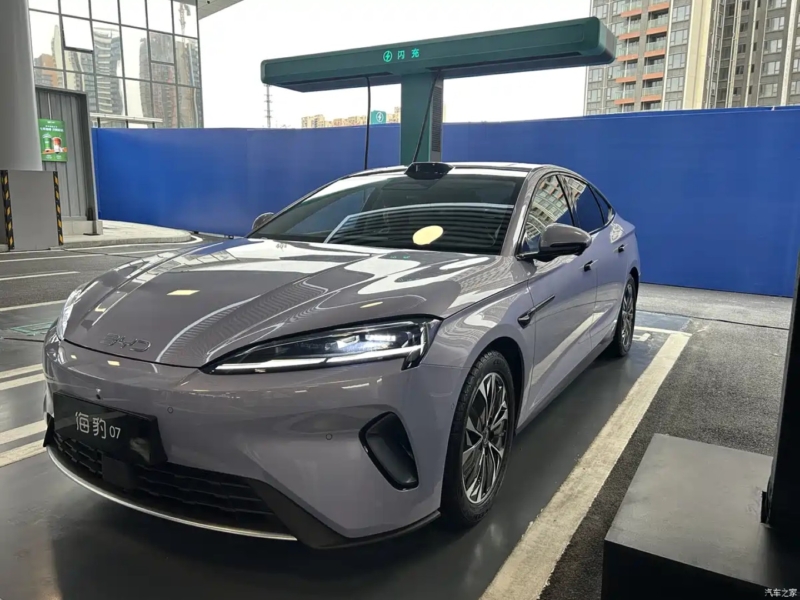
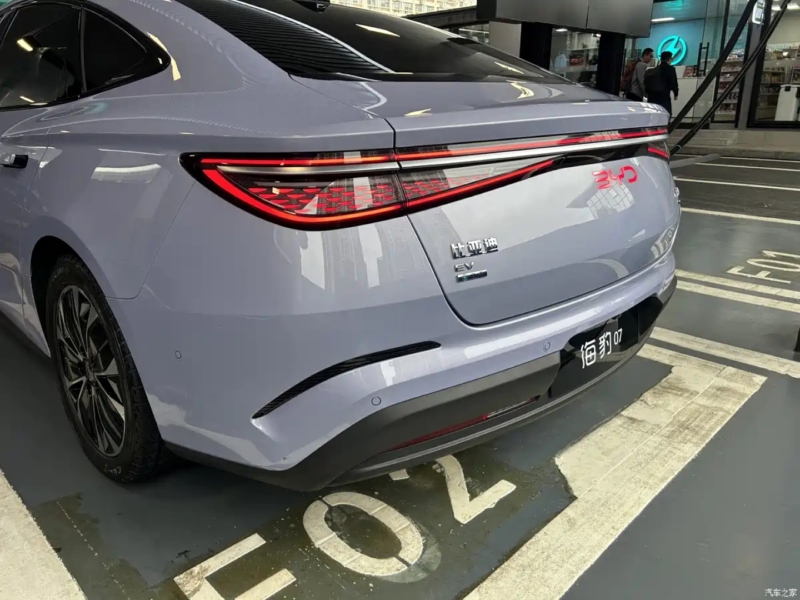
The exterior follows the Marine Aesthetics design language with a 4,995 mm length and a 2,900 mm wheelbase, positioning it as a direct competitor to the Xiaomi SU7. For comparison, the Xiaomi SU7 Standard is priced at 215,900 yuan (29,820 USD) and achieved 3,245 registrations in the last week of February 2026. The Seal 07 EV introduction represents a 21.3% lower entry price than the Xiaomi rival.
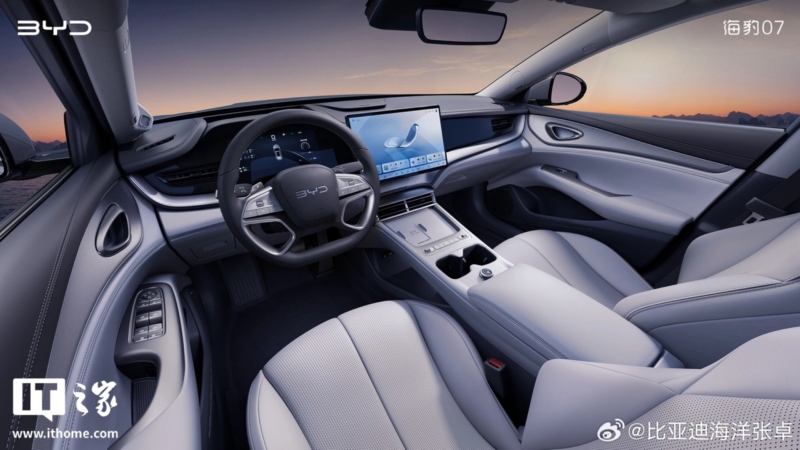
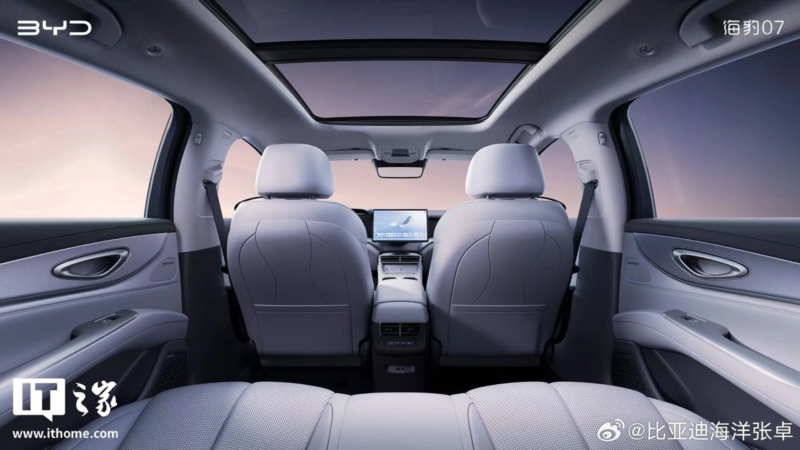
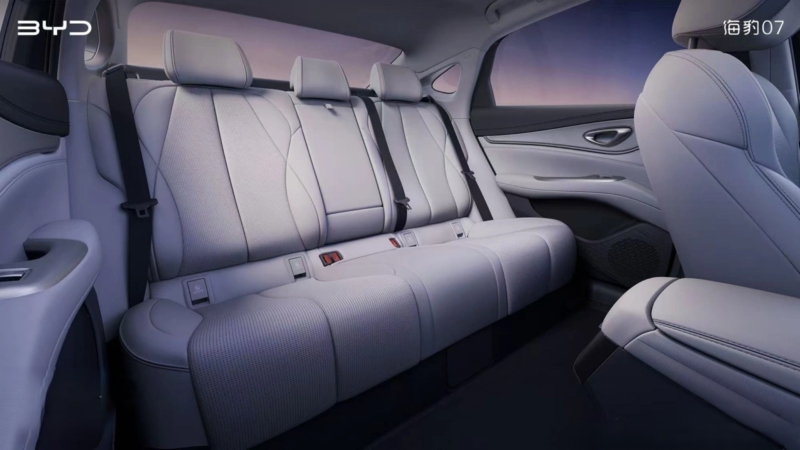
Interior hardware includes a three-screen “2+1” configuration and a W-HUD head-up display. The cabin features a minimalist gear selector on the steering column, a wireless charging pad, and an integrated heating-and-cooling refrigerator. The hardware suite is supported by a roof-mounted LiDAR unit for the autonomous driving system.
Market Positioning
The Seal 07 EV launch follows BYD’s February 2026 delivery performance of 152,430 NEVs, a 16% increase compared to February 2025. BYD currently targets an annual production capacity of 4.5 million units across its global manufacturing network. The model is scheduled to begin deliveries from the Changzhou plant in late March 2026.

Follow us for ev updates