BYD officially launched its second-generation Blade Battery and flash charging technology on March 5, 2026. According to technical data from the Shenzhen launch event reported by Sina Finance and Guancha, the new architecture bifurcates the lineup into specialised “Short” and “Long” formats to address distinct performance and range requirements.
The “Short Blade” 2.0: 8C Power Specialist
The Short Blade format, appearing in technical documentation as a 450–580 mm cell, is the primary driver behind BYD’s record-breaking charging speeds.
- Charging & Discharge: The Short Blade supports an 8C peak charge rate and a 16C peak discharge rate. This enables a 10% to 70% state-of-charge (SOC) replenishment in just 5 minutes.
- Flash-Release Architecture: Technical reports from Zhongjin Online detail a “Lithium-Ion High-Speed Channel” featuring a directionally engineered, multi-level particle-size cathode. This allows rapid deintercalation and high ionic conductivity, which are essential for managing the thermal loads of 1,500 kW charging.
- Application: Primarily used in performance-oriented 800V–1000V platforms and PHEV systems.
The “Long Blade” 2.0: 210 Wh/kg Energy Specialist
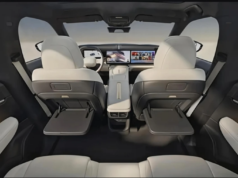
The Long Blade 2.0 serves as the high-endurance counterpart, utilised in flagship models like the Denza Z9 GT and Yangwang U7.
- Energy Density: Technical analysis from Sina confirms a system-level energy density of 190–210 Wh/kg. This represents a ~40% increase over the first-generation Blade.
- LMFP Chemistry: The transition to Lithium Manganese Iron Phosphate (LMFP) has raised the nominal voltage platform to 3.8V.
- Range Impact: The Denza Z9 GT, equipped with a 120 kWh Long Blade pack, achieves a CLTC range of 1,036 km.
CTB 2.0 and Structural Gains
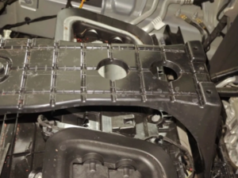
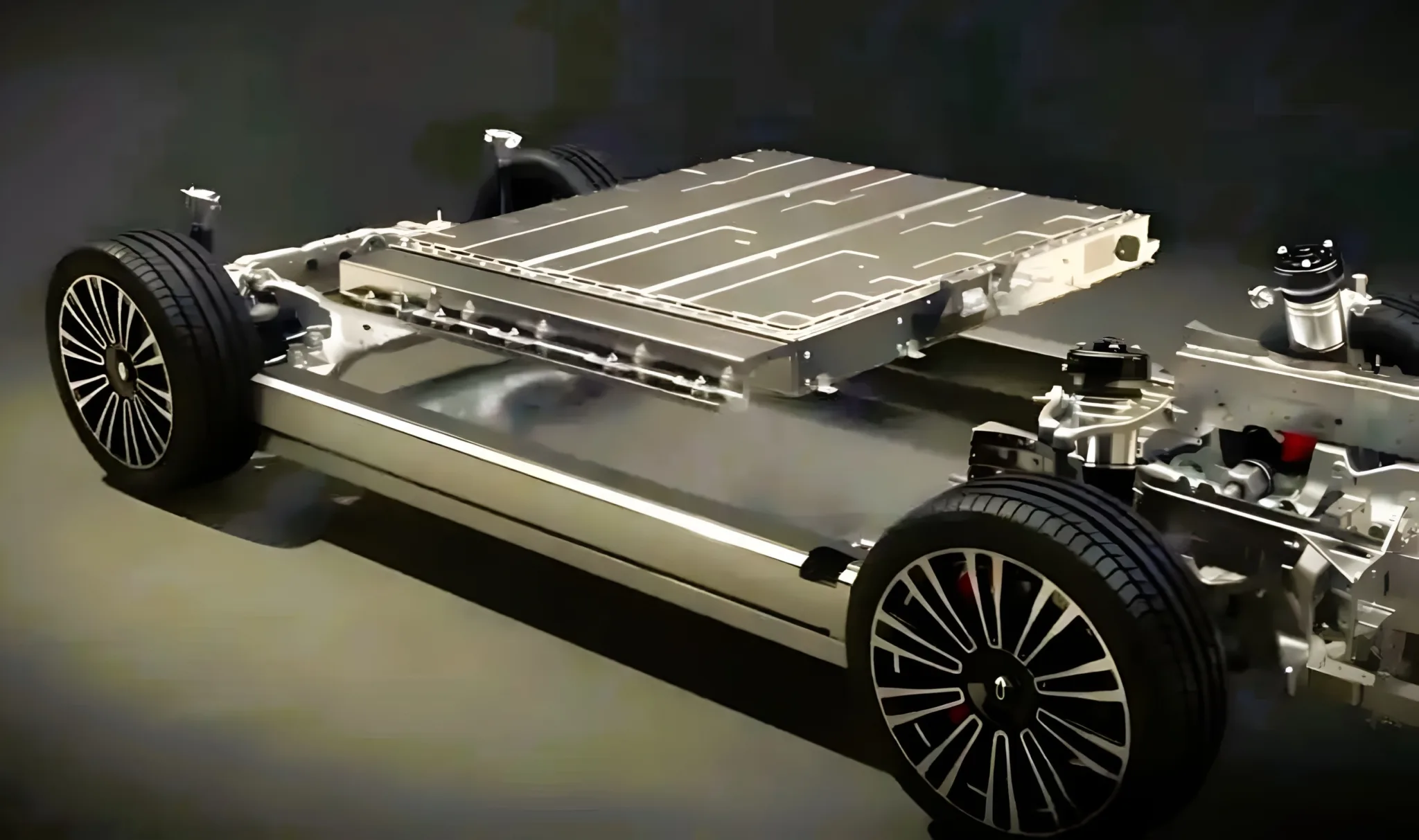
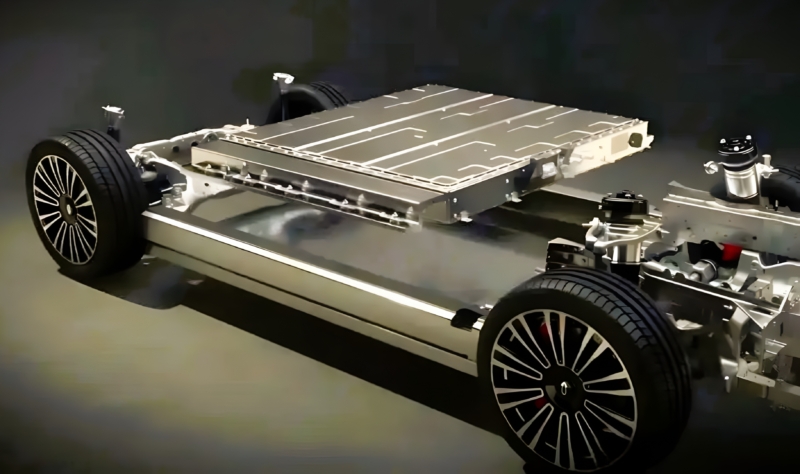
The Blade 2.0 is paired with an updated Cell-to-Body (CTB 2.0) integration. According to Sina, this increases volumetric space utilisation to 76% while significantly reducing structural weight.
Market Comparison
BYD’s new tech specifically targets CATL Kirin batteries. While CATL offers higher absolute density, BYD’s Blade 2.0 offers comparable range at a lower production cost. To support the 8C charging rates, BYD plans to build 20,000 FLASH charging stations by the end of 2026, featuring 1,500 kW T-shaped dispensers.
Technical Specifications
| Attribute | Short Blade 2.0 | Long Blade 2.0 |
| Chemistry | LMFP (High Power) | LMFP (High Energy) |
| Cell Energy Density | 160 Wh/kg | 210 Wh/kg |
| Max Charge Rate | 8C (Flash Charge) | 3C |
| Max Discharge Rate | 16C | 8C |
| Ideal Application | Performance/PHEV | Long-Range BEV |
Price & Positioning
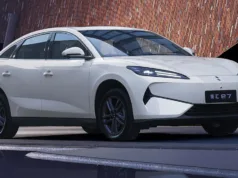
The Blade 2.0 is now standard on the Yangwang U7, priced at 1.09 million yuan (150,760 USD), and is expected to trickle down to the Ocean series by Q3 2026.

Follow us for ev updates