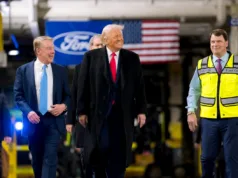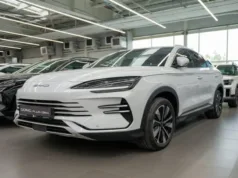

As Chinese manufacturers of electric vehicles (EVs) increasingly target the United States, legacy automakers like Ford Motor Company look for ways to collaborate rather than compete alone, the automotive landscape in the United States is undergoing a potentially historic shift. The debate over national security, market competition, and the best way to maintain American manufacturing dominance has been sparked by discussions between Ford’s leadership and the Donald Trump administration at the beginning of 2026 regarding potential joint ventures with Chinese partners.
Chinese carmakers have been expanding rapidly on the global stage, particularly in electric vehicles. Worldwide sales of brands like BYD, Geely, and others have increased significantly, surpassing some traditional Western manufacturers in terms of total deliveries. Industry analysts estimate that Chinese automakers could begin entering the U.S. market within the next decade if tariffs and regulatory hurdles are resolved, potentially lowering car prices and reshaping choices available to American consumers.
Due to its size and consumer purchasing power, the United States of America continues to be one of the most appealing markets, despite current import restrictions and high tariffs intended to protect domestic production. With a particularly strong foothold in EVs, where Chinese companies have carved out a competitive advantage in terms of cost and technology, China now produces approximately one third of all vehicles worldwide. In the midst of this global shift, Ford’s CEO, Jim Farley, has met with senior members of the Trump administration to discuss a framework that could enable Chinese automakers to construct automobiles in the United States through joint ventures with American businesses.
These preliminary, informal discussions would place American businesses in control roles while sharing profits and technology with Chinese counterparts. Proponents argue that such collaborations could accelerate U.S. access to cutting-edge EV technologies and help domestic manufacturers stay competitive globally. After Chinese competitors, particularly BYD, outsold Ford globally in 2025, Ford has struggled to keep up, highlighting the shifting balance of EV leadership worldwide. Farley reportedly discussed the possibility of joint ventures with American officials at the Detroit Auto Show.
Trade Representative and the Transportation Secretary, proposing partnerships that would aim to balance competitive concerns with job creation and economic benefits. However, despite President Trump’s openness to Chinese automakers building in the United States if they employ American workers, many administration officials are still skeptical of a full market entry without strong safeguards. The discussion is extremely contentious. In order to safeguard domestic jobs and national security, some policymakers and industry groups argue that a strict firewall against Chinese automakers is necessary.
When foreign automakers were required to form joint ventures with local partners, a strategy that many believe helped accelerate China’s automotive prowess, critics worry that opening the U.S. market could give state-backed Chinese firms an advantage. General Motors and a number of other domestic automakers have voiced their opposition to Chinese entry into the U.S. market, citing concerns about the effects on supply chains and competition that could reduce American market share. Trade and economic tensions between the United States and China that span tariffs, technology transfer, and cybersecurity are adding fuel to these worries.
If Chinese EV brands were allowed to operate or manufacture vehicles in the United States, the competitive landscape would likely shift dramatically. Lower-cost Chinese EVs could make electric cars more affordable for American consumers, accelerating EV adoption but potentially straining domestic manufacturers that already face rising costs in labor and materials.
In addition, if carried out in accordance with safeguards that safeguard domestic interests, partnerships that incorporate Chinese technology into U.S. manufacturing could accelerate electrification efforts and strengthen supply chains. The debate over where to draw the line between openness and protectionism, on the other hand, is a reflection of wider tensions in economic relations between the United States and China as well as divergent perspectives regarding the direction that American automotive leadership will take in the future.
American automakers are seriously considering new strategies to remain competitive in an era of rapid technological change and intensifying global competition, as evidenced by the discussions between Ford and the U.S. government. It is still uncertain whether Chinese partners will be included in those strategies and on what terms.
The economic, security, and policy implications of allowing Chinese electric vehicles or shared technology into the United States will likely continue to be debated by lawmakers, administrators, and industry leaders. In the years to come, where and how electric cars are built, sold, and powered could be determined by the results of these debates, which could also define the next chapter in the global auto industry.