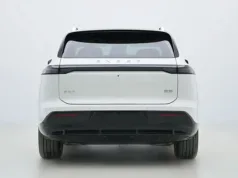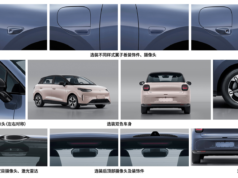
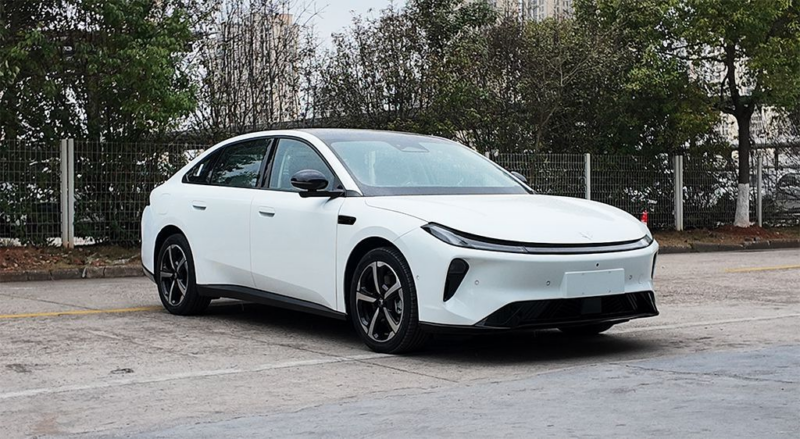
BAIC‘s electric vehicle brand Arcfox has filed regulatory documents for a new battery-swappable model, the S3, which will utilize CATL‘s “Choco-SEB” (Chocolate Swapping Electric Block) stations.
According to the filing documents, the Arcfox S3 features dimensions of 4,916mm in length, 1,900mm in width, and 1,480mm in height, with a wheelbase of 2,876mm. The vehicle will be powered by an electric motor delivering 159 kW (213 hp) of maximum power.
Last year, CATL announced at the Auto Shanghai 2025 that 10 new electric vehicle models from five major Chinese automakers will be compatible with its “Choco-SEB” system, BAIC was one of the automakers, but the model was not disclosed, only said it’s a “high-quality, wide-body electric family sedan under its Arcfox brand”.
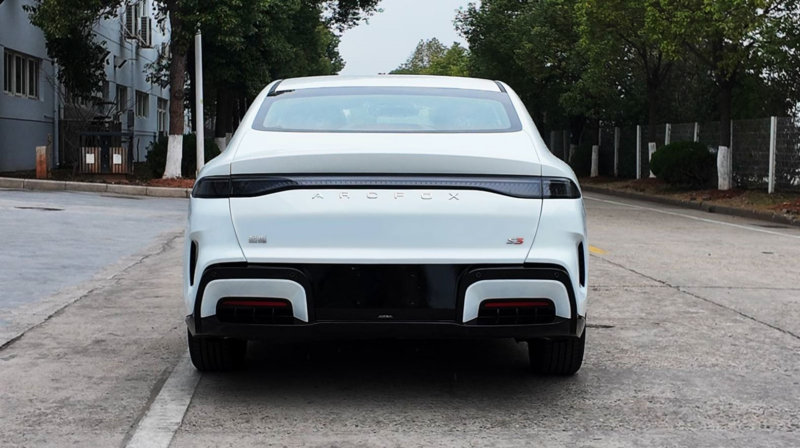
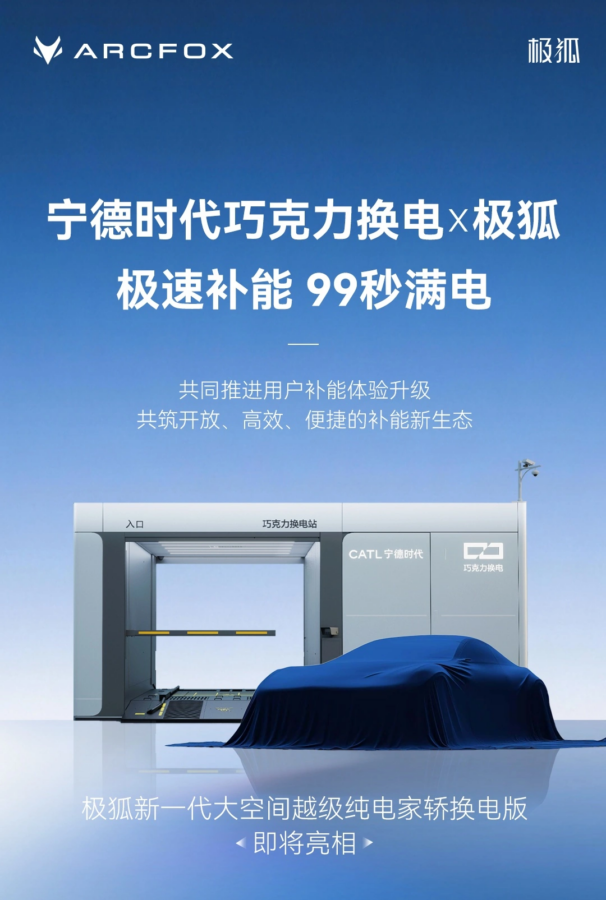
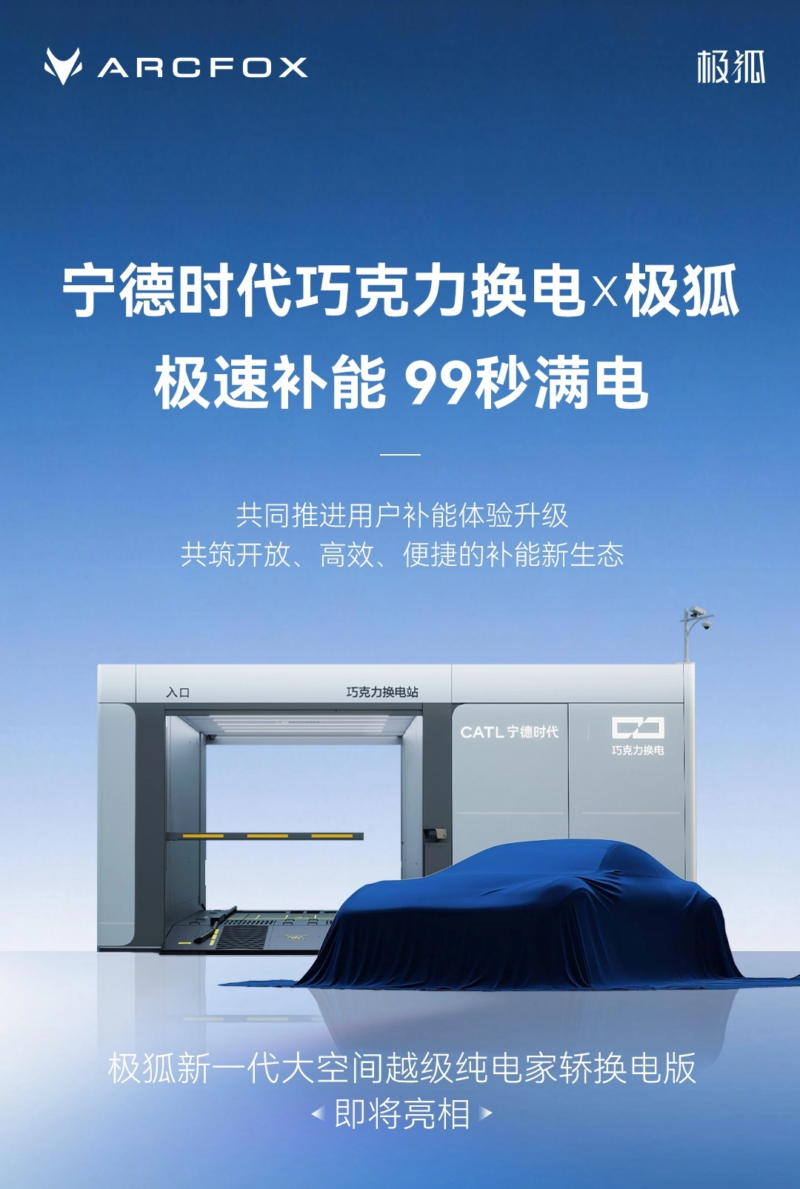
On the 6th of this month, Arcfox announced a “deep partnership” with CATL’s “Choco-SEB” battery swapping technology. According to the announcement, both parties will work together to upgrade the user charging experience with a 99-second ultra-fast full charge, building an open, efficient, and convenient new energy ecosystem. At the same time, the battery-swapping version of Arcfox’s new generation “spacious, premium pure electric family sedan” is set to debut, though the specific model has not yet been disclosed.
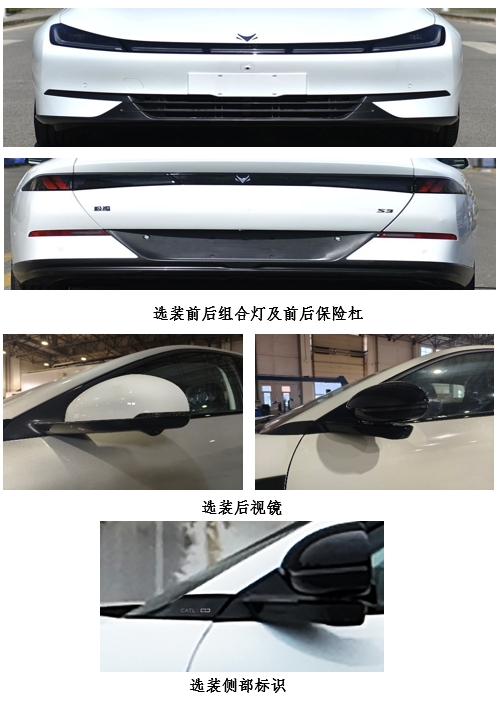
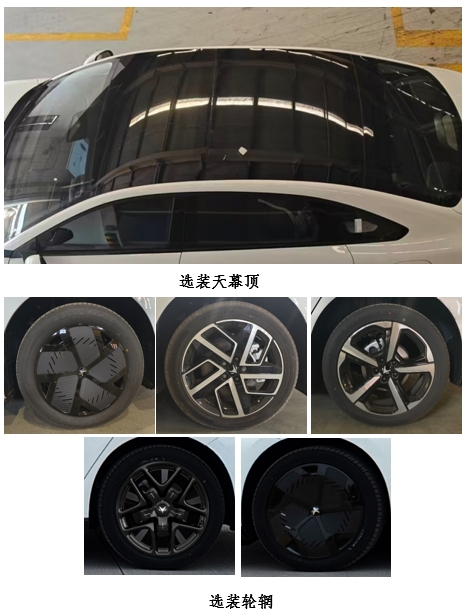
Now through the regulatory filings, we know the model is Arcfox’s S3. The pure electric version of the S3 was also filed alongside the battery-swap version. Naturally, the battery for the battery-swap model comes from CATL, while the batteries for the pure electric version come from CALB, EVE, and GAC’s Great Bay Technology (GBT), respectively.
Editor’s comment
Arcfox is the latest to announce a model for CATL’s Choco SEB battery swapping network. Changan and GAC have already launched multiple battery-swapping models, and Chery previously filed a battery-swapping version of the V23, making the Arcfox S3 quite late to the party.
The launch of BYD’s Blade Battery 2.0 and the large-scale construction of its flash charging stations have led people to question the necessity of the battery swap model. In reality, CATL’s 99-second battery swap is still faster than BYD’s megawatt supercharging.
Furthermore, the battery swap model ensures that every swap is completed in 99 seconds, whereas supercharging stations cannot guarantee that every vehicle will finish charging in nine minutes. If a car has low charging power, it will still take a long time even using BYD’s megawatt supercharger, which in turn negatively impacts the charging experience for models that are actually compatible with megawatt supercharging.

Follow us for ev updates