As the sudden closure of the Strait of Hormuz sends global energy markets into an unprecedented tailspin, one sector is uniquely positioned to reap the rewards. The resulting Chinese EV oil shock—which has driven crude prices to catastrophic highs and triggered global panic at the pump—arrives as a paradoxical lifeline.
Specifically, it is saving China’s fiercely competitive and currently overextended electric vehicle industry. For automakers suffocating under aggressive domestic price wars and tightening international tariffs, this sudden geopolitical explosion in the Middle East is rapidly shifting the consumer math back in their favor.
To understand the exact catalyst behind these skyrocketing energy costs, read our full breakdown of the recent Trump Iran oil prices standoff.
Escaping the Domestic Overcapacity Trap
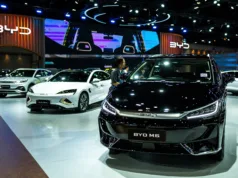
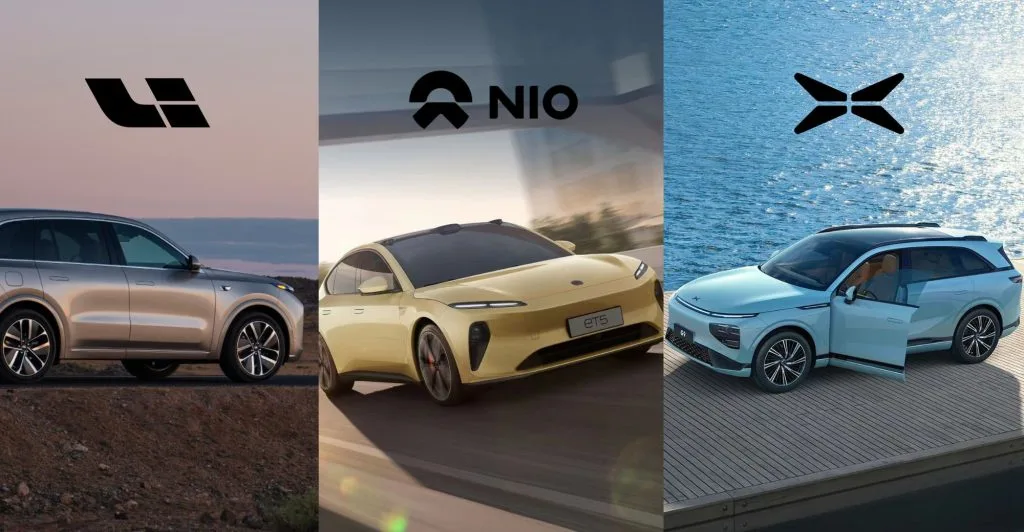
Prior to the military escalation in the Persian Gulf, the narrative surrounding China’s electric vehicle sector was defined by brutal internal attrition. Industry leaders such as BYD, NIO, and XPeng were engaged in a race to the bottom. Consequently, they relentlessly slashed profit margins to capture market share within an increasingly saturated domestic economy.
This hyper-competitive environment resulted in massive manufacturing overcapacity. Ultimately, it left automakers with vast inventories of technologically advanced but unsold vehicles.
However, the current energy crisis fundamentally alters the domestic landscape. China remains highly dependent on imported crude oil. Therefore, the sudden spike in global benchmark prices translates directly into exorbitant fuel costs for everyday drivers.
As internal combustion engine vehicles become prohibitively expensive to operate, consumers are changing their habits. Specifically, Chinese drivers who were previously on the fence are accelerating their transition to battery-powered alternatives. This unexpected surge in domestic demand offers an immediate release valve for excess inventory. As a result, it allows manufacturers to stabilize their balance sheets without resorting to further margin-destroying discounts.

How the Chinese EV Oil Shock Fractures the Western Tariff Wall
The most significant long-term consequence of this crisis, however, lies in international trade. It has the immense potential to dismantle the protectionist barriers erected by Western governments.
Over the past two years, the United States and the European Union have implemented aggressive tariffs. These were explicitly designed to insulate legacy automakers from a flood of heavily subsidized, low-cost Chinese electric vehicles. Yet, as retail gasoline prices push past politically toxic thresholds, these protectionist stances are failing. They are becoming increasingly difficult to justify to a financially exhausted electorate.
The Political Calculus Shift
If crude oil prices sustain their current trajectory, the political calculus in Western capitals will inevitably shift due to several factors:
- Voter Backlash: Governments facing intense voter backlash over the cost of living may be forced to adapt quickly.
- Relaxed Restrictions: They will likely need to quietly relax import restrictions on Chinese automakers to ease financial burdens.
- Consumer Relief: Ultimately, politicians must prioritize immediate consumer relief over long-term industrial protectionism.
We have extensively tracked these changing dynamics in our ongoing analysis of global EV market trends. Unsurprisingly, consumer affordability ultimately dictates regulatory policy.
As lawmakers globally grapple with shifting dynamics, the sheer economic necessity of transitioning away from fossil fuels is taking over. It is finally beginning to overshadow localized protectionism. By leveraging their unparalleled supply chain efficiency, Chinese manufacturers are uniquely equipped for this moment. They can easily supply the massive volume of affordable electric vehicles required to break global reliance on increasingly volatile petrostates.
In a striking twist of fate, the very geopolitical instability threatening the broader economy is providing the exact catalyst China’s EV titans need to cement their global dominance.