BAIC has disclosed new progress in sodium-ion battery development, as Chinese automakers expand the use of alternative battery chemistries alongside lithium-based systems to address cost, supply, and cold-weather performance constraints, according to IT-home.
Sodium-ion battery development
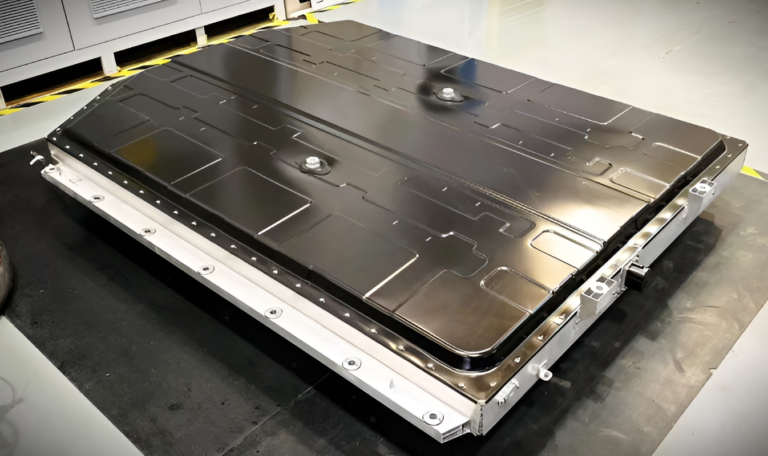
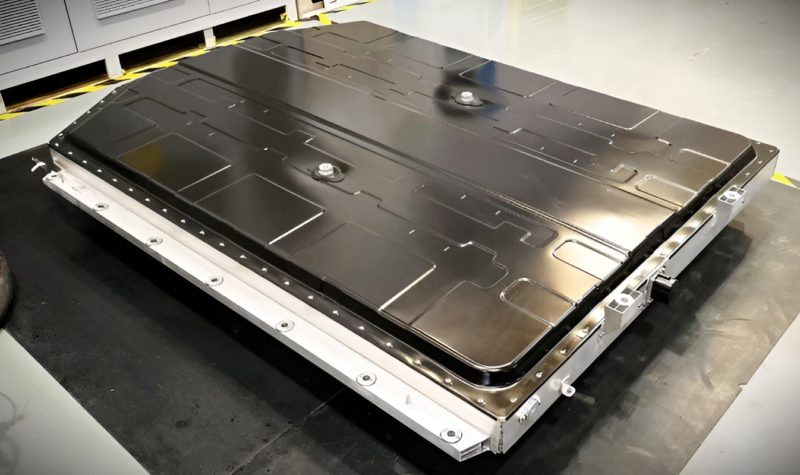
According to BAIC’s research division, the company has completed development of a sodium-ion battery sample, with technical indicators that are said to reach a leading industry level. The battery uses a prismatic cell format and achieves an energy density of 170 Wh/kg, according to internal testing.
The system supports 4C fast charging, with a full charge completed in 11 minutes, according to the company. BAIC also stated that the battery can operate over a temperature range of -40°C to 60°C, with energy retention exceeding 92% at -20°C, targeting improved cold-climate usability.
Safety-related test results were disclosed following internal validation. The company stated that the battery can withstand overcharge conditions up to 200% state of charge without fire or explosion, and remains stable when exposed to 200°C during thermal abuse testing.
BAIC added that it has established capabilities across electrolyte formulation, cell design, and system integration, while addressing challenges in energy density and cycle performance.
Product context
The sodium-ion battery forms part of BAIC’s “Aurora Battery” program, which now includes lithium-ion, solid-state, and sodium-ion chemistries. The company stated it has completed process validation for mass production of prismatic sodium-ion cells.
Competitive landscape
Sodium-ion batteries are being evaluated across China’s EV ecosystem as a complementary solution for cost-sensitive segments and low-temperature applications. Compared with lithium iron phosphate batteries, sodium-ion systems typically offer improved raw material availability and cold-weather stability, while facing limitations in energy density.
BAIC reported filing 20 patents covering materials, design, manufacturing processes, and testing methods related to its sodium-ion program. The company also disclosed developments in charging strategies, electrochemical modelling, and degradation mechanism analysis.
China’s battery sector has increased its focus on sodium-ion chemistry as a complement to lithium-based systems, particularly targeting cost-sensitive segments and improved low-temperature performance. In February 2026, Changan and CATL unveiled what they described as the world’s first mass-produced sodium-ion passenger EV, equipped with a 45 kWh battery and targeting over 400 km range, with a market launch planned for mid-2026.
In parallel, BYD disclosed progress on its third-generation sodium-ion battery platform, with cycle life reaching up to 10,000 charge cycles, while stating that commercialisation timing would depend on application scenarios and customer demand.
Market outlook
No official vehicle application or launch timing has been disclosed for BAIC’s sodium-ion battery. The technology appears to be at a pre-commercial stage based on available information.
BAIC stated it will continue investing in sodium-ion battery materials, system integration, and vehicle adaptation. The next phase to monitor will be vehicle-level deployment and real-world validation as Chinese automakers begin transitioning sodium-ion technology from development to early-production programs.

Follow us for ev updates