After a prolonged period of sluggish performance, Tesla is demonstrating a significant recovery in its most critical growth market. As domestic competitors in China face headwinds, the electric vehicle manufacturer has reported an unexpectedly sharp sales increase at the start of 2026. Concurrently, attention in the United States is shifting to a pivotal project set to define the company’s strategic trajectory: the commencement of production for its autonomous Cybercab.
A Reversal of Fortune Driven by Model Y
Recent figures from Chinese industry associations confirm a decisive shift in momentum. During the initial two months of the year, sales of vehicles manufactured at Tesla’s Shanghai facility surged by more than 35% year-over-year, reaching nearly 128,000 units. The Model Y was the primary catalyst for this rebound, securing the top position in nationwide wholesale vehicle statistics for February.
This performance is particularly striking within the competitive landscape. Tesla expanded its market share for pure electric vehicles in China to 13.7%, while its chief rival, BYD, experienced a 36% decline in deliveries over the same period. A modest recovery is also emerging in Europe, where a 10% increase in new registrations for February concluded a 13-month streak of declining figures. Nonetheless, the global market environment remains fiercely contested, with manufacturers like Geely and Xiaomi applying aggressive pricing pressure.
Should investors sell immediately? Or is it worth buying Tesla?
Divergent Analyst Views and Upcoming Catalysts
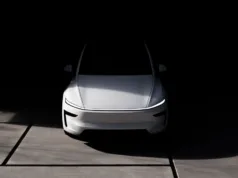
Beyond its core automotive operations, investor focus is trained on Austin, Texas. The first fully autonomous Cybercab recently rolled off the production line there, with mass manufacturing of the steering wheel-free model scheduled to begin in April. However, before these vehicles can operate as robotaxis on public roads, substantial regulatory hurdles with U.S. transportation authorities must be cleared, as current safety standards are designed around human drivers.
The company’s fundamental valuation continues to divide market experts. Pessimists, including analyst Gordon Johnson, maintain a price target of approximately $25. In contrast, optimists like Dan Ives project targets as high as $600. Tesla’s stock closed at €341.70 on Friday. Despite a weaker start to the year, this represents a 12-month gain of over 57%. This optimism is fueled not only by the prospects of autonomous driving but also by the thriving energy storage division, which achieved record revenues in 2025.
The coming month will deliver concrete indicators for Tesla’s strategic path forward. April’s calendar features three pivotal events: the planned ramp-up of Cybercab production, anticipated rulings from U.S. regulators, and the delivery figures for the first quarter. These milestones will be critical in justifying the company’s current valuation premium.
Ad
Tesla Stock: Buy or Sell?! New Tesla Analysis from March 16 delivers the answer:
The latest Tesla figures speak for themselves: Urgent action needed for Tesla investors. Is it worth buying or should you sell? Find out what to do now in the current free analysis from March 16.
Tesla: Buy or sell? Read more here…