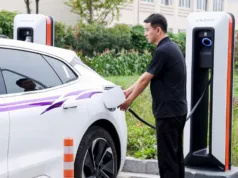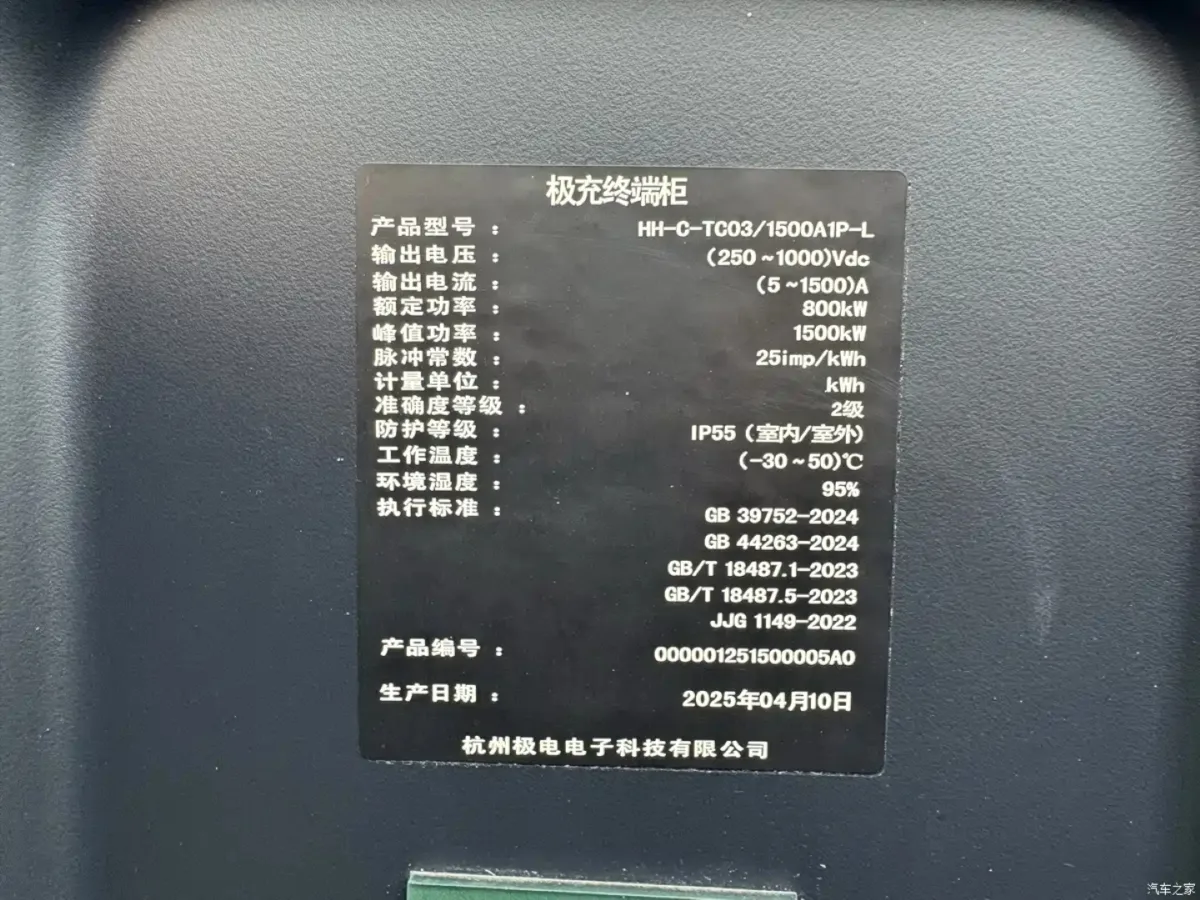
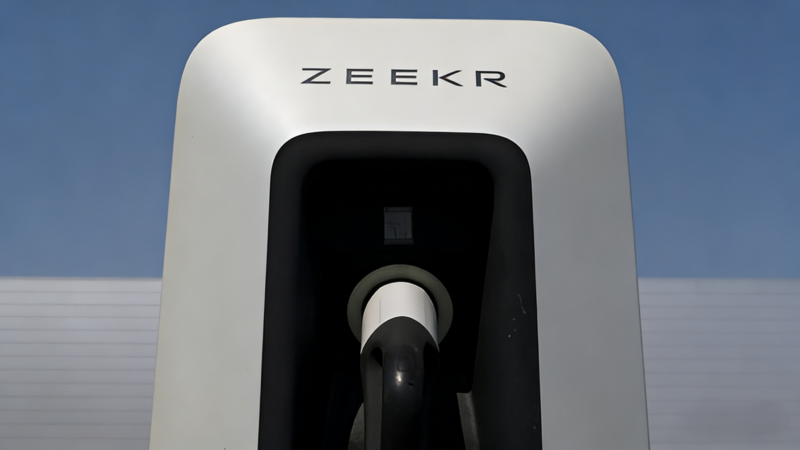
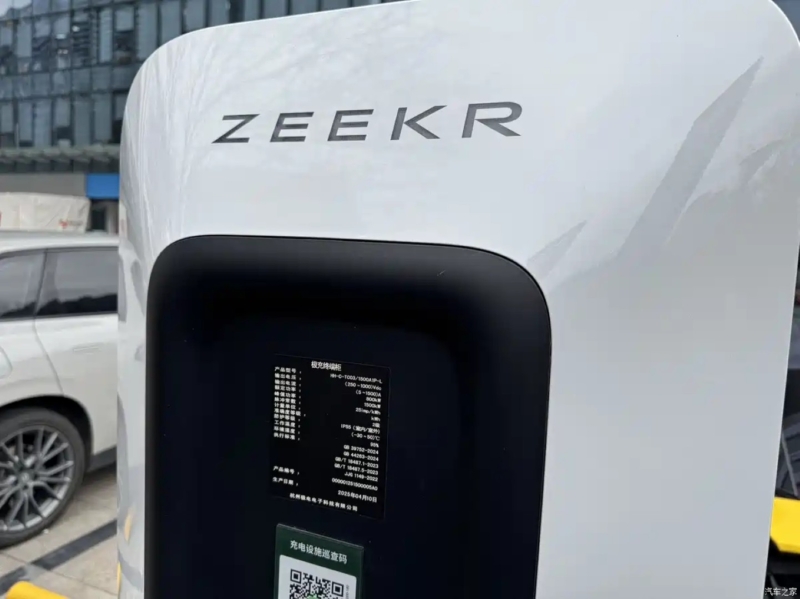
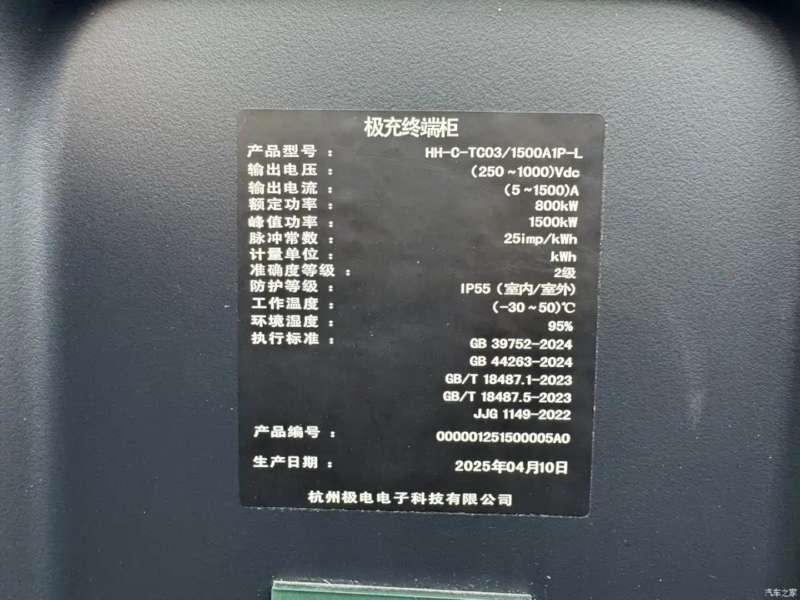
Geely has officially expanded its proprietary charging network to 2,103 stations, documenting a single-gun peak output of 1,500 kW. According to infrastructure data from Autohome, this network now spans 215 cities and includes 6,269 charging points specifically located within high-speed service areas. This deployment represents a significant shift in infrastructure density, positioning Geely at the forefront of the “Megawatt Era” of electric vehicle replenishment.
1.5 MW Verification
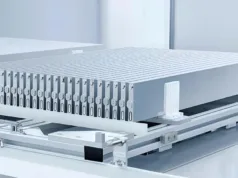
The 1,500 kW (1.5 MW) peak output was verified through testing with the 2026 Zeekr 001. This model is equipped with an in-house “Golden Battery” with 12C charging capability. In technical demonstrations, the vehicle achieved a 10% to 80% state of charge (SoC) in approximately 7 minutes.
To facilitate this transfer, the vehicle utilises a 900V high-voltage architecture, which allows for a maximum current of nearly 1,488A. This architecture is designed to minimise heat generation and improve electrical efficiency compared to the 800V systems that served as the previous industry benchmark.
Infrastructure Strategy
Geely’s infrastructure strategy relies on a capital-intensive, OEM-owned asset model. By operating its sites directly rather than using third-party aggregators, the company maintains vertical control over the hardware-to-vehicle communication protocol. Each 1,500 kW “Megawatt” pile is engineered to support a daily throughput of 50 to 60 vehicles, assuming an average session of 50 kWh.
To mitigate the impact of such high power draws on local electrical grids, Geely integrates on-site energy storage buffers ranging from 300 to 500 kWh. These buffers act as a reservoir, allowing for multiple consecutive high-speed sessions even in areas with limited grid capacity.
1,500V Technical Roadmap
The transition toward a 1,500V high-voltage architecture serves as the foundation for Geely’s premium New Energy Vehicle (NEV) roadmap. This system supports the new 16-in-1 electric drive, an integrated 900V unit producing 370 kW (503 hp). Energy storage for this ecosystem is provided by Geely’s Aegis short-blade Lithium Iron Phosphate (LFP) units and solid-liquid hybrid batteries.
A key technical metric of the Aegis chemistry is its low-temperature resilience; data indicates these units retain 90.5% of their capacity at -30°C. Furthermore, these cells have demonstrated 92.1% health retention after 1,500 full charge cycles, addressing long-term durability concerns associated with ultra-fast charging.
Comparative Market Performance
In the first two months of 2026, Geely Group reported total deliveries of 476,327 units, exceeding BYD’s reported volume for the same period by approximately 76,000 vehicles. While BYD has announced plans to reach 20,000 stations by the end of the year through a “station-within-a-station” partnership model, Geely’s current 1,216 proprietary ultra-fast stations represent the highest operational density of 1,500 kW-ready hardware. This proprietary focus ensures that Geely-owned brands, including Zeekr, Lynk & Co, and Lotus, have priority access to the highest available charging speeds.
Diversification
To address the cooling of the pure-EV (BEV) market observed in early 2026, Geely has diversified its powertrain strategy. The Thor 2.0 hybrid system features a verified thermal efficiency of 46.5%, the highest currently in mass production. This system employs AI algorithms to monitor micro-currents within the battery pack, which the company claims can extend battery lifespan by an additional 15% by preventing dendrite growth.
Combined with the SEA platform and Geely Afari Smart Driving, Geely is positioning its 1,500V architecture as part of a broader, independent energy and intelligence ecosystem designed to maintain technical autonomy in a competitive global market.

Follow us for ev updates