Most electric car drivers still plan long trips around charging stops and worry about how far the battery will really take them. Now a Chinese automaker says its next flagship will travel more than 1,500 kilometers on a single charge even in bitter winter cold, while sprinting from 0 to 100 km/h in a little over three seconds.
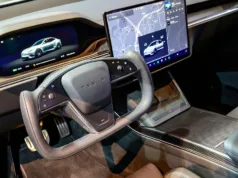
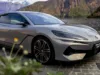
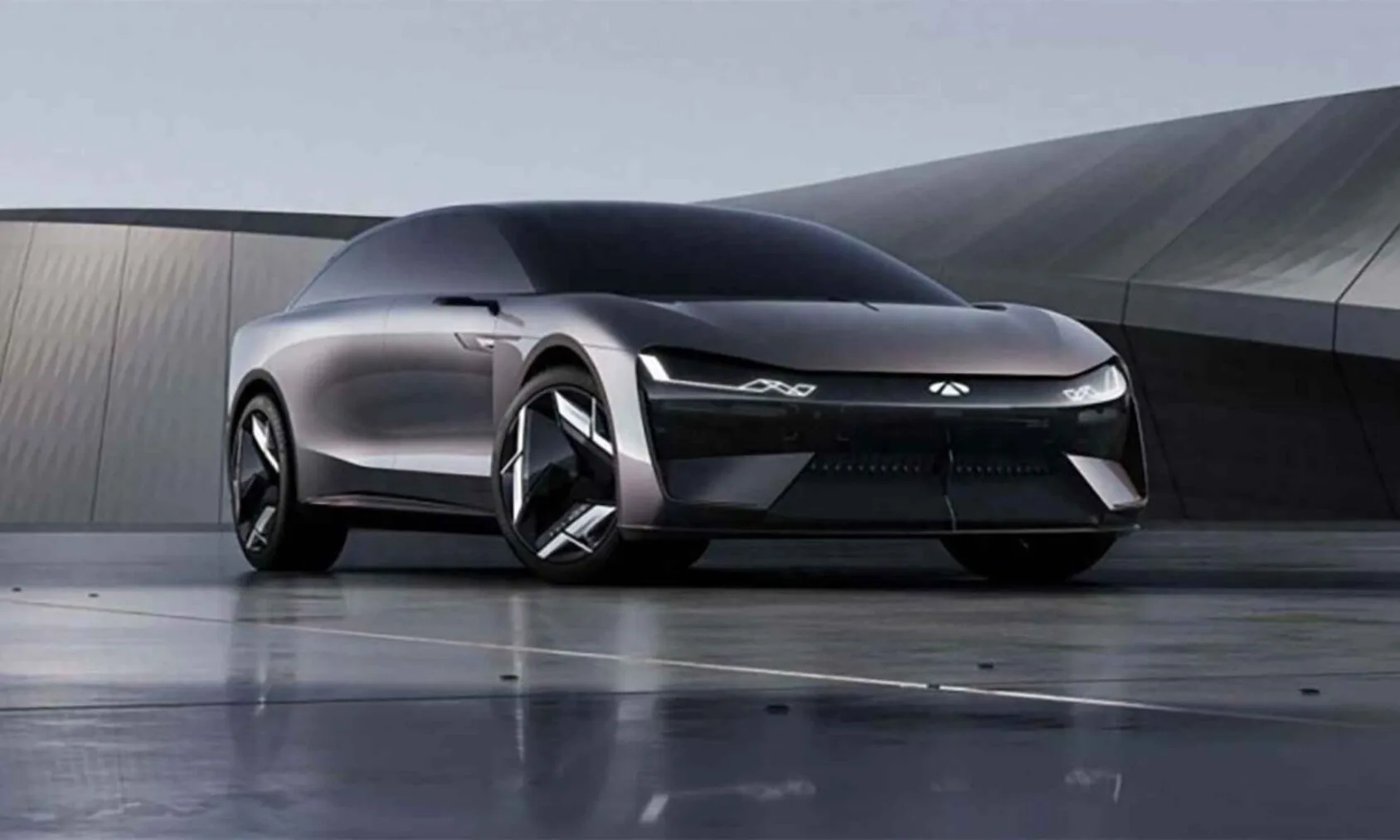
The project centers on a concept shooting brake called Liefeng, developed under the premium Exeed brand of Chinese manufacturer Chery, with market launch targeted for 2026.
The vehicle uses a new solid state battery with very high energy density and will first go into rental and mobility fleets before a wider rollout planned for 2027. Could this be the car that finally makes range anxiety feel outdated for many drivers
Solid state battery at the heart of the Liefeng
The Liefeng’s core technology is a solid state battery developed by Chery’s in-house battery research institute. Instead of a liquid electrolyte like in today’s lithium ion packs, this design uses solid materials to move charge inside the cell, which can improve safety and pack more energy into the same physical space.
The company reports an energy density of 600 watt hours per kilogram for this battery, a figure that is roughly three times higher than many current electric car packs.
In everyday terms, storing more energy in each kilogram of battery means engineers can either extend driving range or reduce pack size and weight while keeping similar range. For anyone used to watching the battery percentage drop on a long highway drive, that shift is easy to appreciate.
For the electrolyte material, engineers chose an oxide-based formulation, one of three main paths the industry is exploring along with polymer and sulfide options.
Oxide systems are seen as a promising compromise that can deliver good performance while still being manufactured at scale, at least in theory. By betting on this route, the company is trying to move solid state batteries out of the lab and into real vehicles that rack up thousands of miles.
Promised performance in deep cold and at high speed
One of the boldest claims around the Liefeng is its behavior in harsh winter conditions, a situation that often frustrates current electric car owners.
According to the information released so far, the battery is designed to keep operating reliably at temperatures down to minus 30 degrees Celsius while still delivering up to 1,500 kilometers of range on a charge. That kind of performance, if confirmed, would matter a lot for drivers in northern China, Scandinavia, Canada, and any region where icy mornings are a fact of life.
The car also uses an 800 volt electrical architecture paired with a high-speed electric motor that can spin at 30,000 revolutions per minute. With this setup, the brand says the Liefeng can accelerate from 0 to 100 km/h in under three seconds and reach a top speed of 260 km/h, numbers more in line with sports cars than family wagons.
The company is even promoting what it calls “unbeatable performance in freezing temperatures” to set the model apart from rivals.
In practical terms, a driver could imagine a long winter road trip with fewer charging breaks and less worry that the cold will suddenly slash the remaining range. At the same time, these figures are based on internal testing and local certification cycles, so real world numbers will still depend on speed, weather, and driving style.
Industry analysts say the coming years will show whether solid state packs can consistently deliver these benefits outside controlled test routes.
Gradual rollout before customers get the keys
The rollout plan for the Liefeng is deliberately cautious, at least at first glance. In 2026, the first units using the solid state pack will go to rental and mobility fleets, where operators can track performance across thousands of daily kilometers, aggressive fast charging, and a wide range of drivers.
That kind of data is hard to get from a few show cars and gives engineers a chance to spot problems before private buyers get behind the wheel.
If results meet expectations, large scale production is scheduled to start in 2027. Analysts widely view the 2026 to 2027 window as a crucial test for solid state batteries in real cars rather than in small demonstration programs or lab prototypes.
How well the Liefeng and similar projects perform could influence whether automakers everywhere commit to expensive new factories or decide the technology still needs more time.
For everyday drivers, the outcome will show up in simple ways such as how often they have to plug in, how their car behaves in a cold snap, and whether high performance still comes with range trade offs. Even if the Liefeng does not hit every target perfectly, it will likely push the industry to refine solid state designs and cold weather performance.
The official press release was published on Chery Costa Rica.