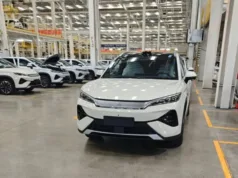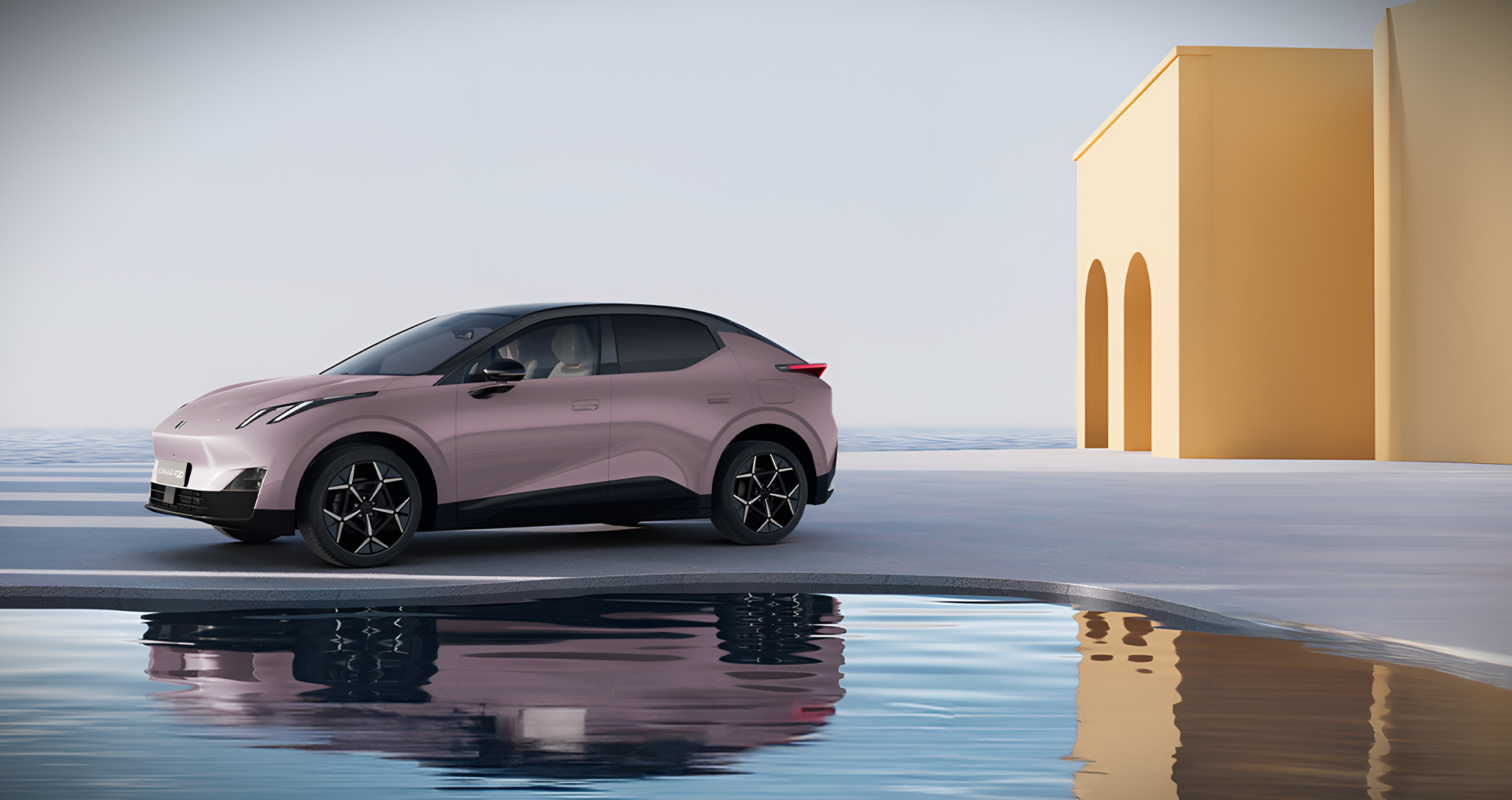
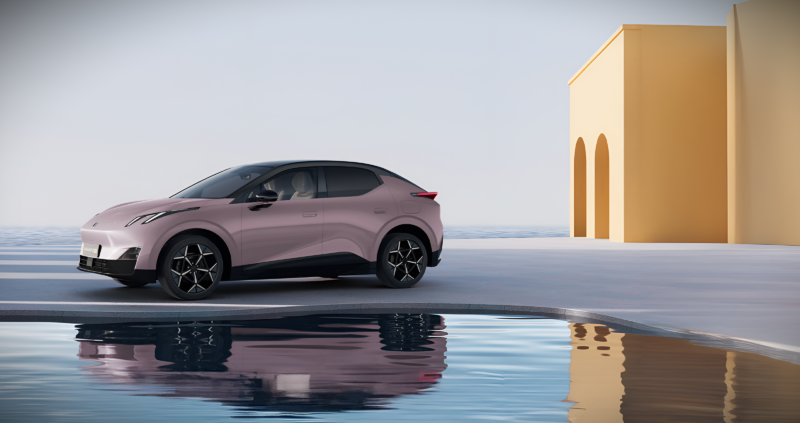
A nighttime highway crash involving a Lynk & Co Z20 has pushed the brand to quickly revise its voice‑control logic, highlighting how cockpit software has become safety‑critical in China’s EV market. Chinese media reported that a Z20 driver on a highway at night unintentionally turned off the headlights via a voice command, causing the vehicle to hit a guardrail, according to Sohu.
A video circulating online shows the driver attempting to switch off an interior light via voice control; instead, the main exterior lights went dark. The driver then repeatedly tried to use voice commands to restore lighting, but the system responded that the operation could not be completed before the collision.
On February 26, 2026, Mu Jun, deputy general manager of Lynk & Co Sales, posted an apology on Weibo and confirmed that an optimised solution had already been completed. According to Mu, an over‑the‑air update has been pushed via the cloud so that, while the vehicle is in motion, headlights can only be turned off via manual controls, not via voice commands.
The Z20 is marginally larger than the Zeekr X. It measures 4,460 mm long, 1,845 mm wide, and 1,573 mm high, with a 2,755 mm wheelbase, positioning it squarely in the compact SUV segment.
The Z20 is a compact electric SUV positioned in China’s intensely competitive 110,000–150,000 yuan price band, competing with models such as BYD Yuan Plus, Aion Y Plus and Smart #1. The Z20 is currently offered at 109,900–150,900 yuan (15,290–21,000 USD).
The Z20 on Geely’s SEA architecture with a battery of around 61 kWh and a CLTC range of about 530 km, plus fast‑charging claims of about 15 minutes from 10% to 80%.
Strategically, Lynk & Co’s rapid OTA reaction underlines how software governance now directly affects brand safety perception.

Follow us for ev updates