China’s auto market opened 2026 with a noticeable slowdown in retail and wholesale sales, prompting major automakers, including BYD, to adopt extended low-interest financing offers to stimulate demand, according to IT-home.
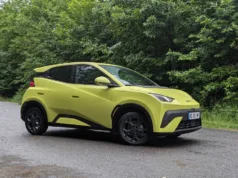
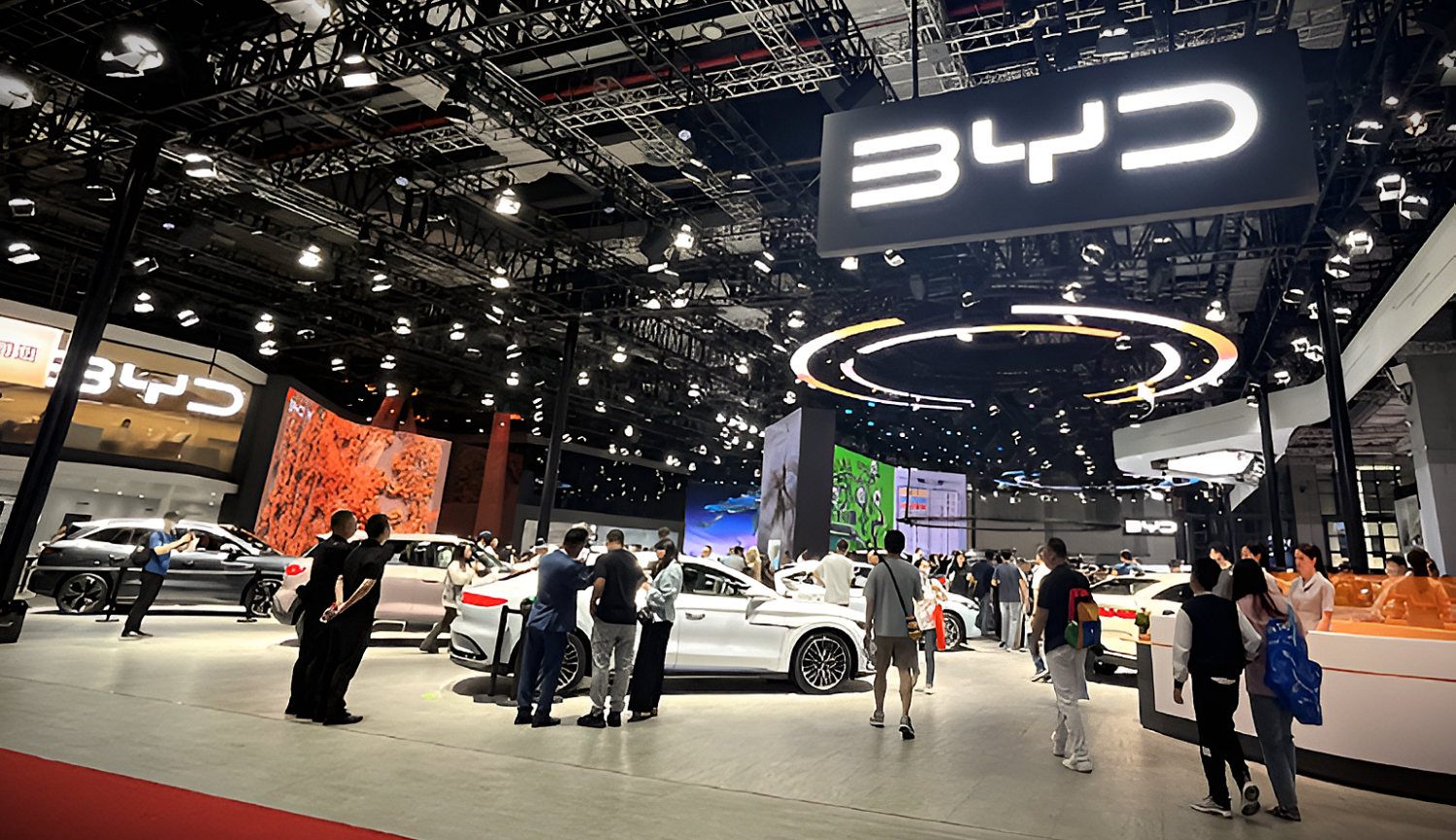
On February 25, 2026, BYD’s Ocean Network sales unit announced a promotional campaign offering up to seven-year low-interest loans, zero down payment, and daily payments as low as 29 yuan (about 4 USD) on multiple models, including the Seal, Sealion, Dolphin, and Seagull series. The offer runs through March 31, 2026, and follows similar seven-year low-interest packages recently introduced by Tesla, Xiaomi, Nio, and Geely-affiliated brands.
BYD’s off-road sub-brand, Fangchengbao, announced a similar financing program one day earlier, covering the Bao 5 long-range version and the Tai 7 lineup. The policy offers seven-year loans with interest rates as low as 1.5% and a minimum down payment of 32,000 yuan (4,420 USD). The promotion runs until late March 2026.
Industry observers say this wave of extended financing measures coincides with weak January market performance in China’s passenger vehicle sector.
According to data released by the China Passenger Car Association, national January 2026 retail passenger car sales were approximately 1.544 million units, a year-on-year decline of about 13.9%. New energy vehicle (NEV) retail sales, including battery EVs and plug-in hybrids, totalled roughly 596,000 units, down 20% compared with January 2025, and NEV penetration dipped to around 38% of total retail sales. Domestic Chinese brands’ retail deliveries also fell by nearly 18% year over year.
Wholesale estimates from the CPCA point to a moderate 1% year-on-year increase in NEV wholesale volume in January 2026 to around 900,000 units, but a steep 42% drop from December 2025, illustrating a typical post-policy rush adjustment after the end of the full NEV purchase tax exemption at the close of 2025.
Detailed automaker figures show a divergent performance profile for January deliveries: BYD’s wholesale volumes were around 205,500 units, down approximately 30% year-on-year, with pure EV deliveries also declining sharply. At the same time, startups such as Xiaomi EV and Leapmotor achieved notable year-over-year growth in January deliveries.
China’s broader passenger vehicle market results for January were influenced by multiple factors, including the timing of the Lunar New Year, the expiration of generous purchase-tax incentives, and a seasonal demand lull, all of which have dampened early-year sales momentum. Analysts stress that January is traditionally volatile and that policy-induced front-loading in December 2025 makes direct year-over-year comparisons less instructive for longer-term demand trends.
With consumer demand softening and retail sales momentum under pressure, automakers are increasingly turning to extended low-interest financing as a key tool to maintain showroom traffic and close deals through the first quarter of 2026.

Follow us for ev updates