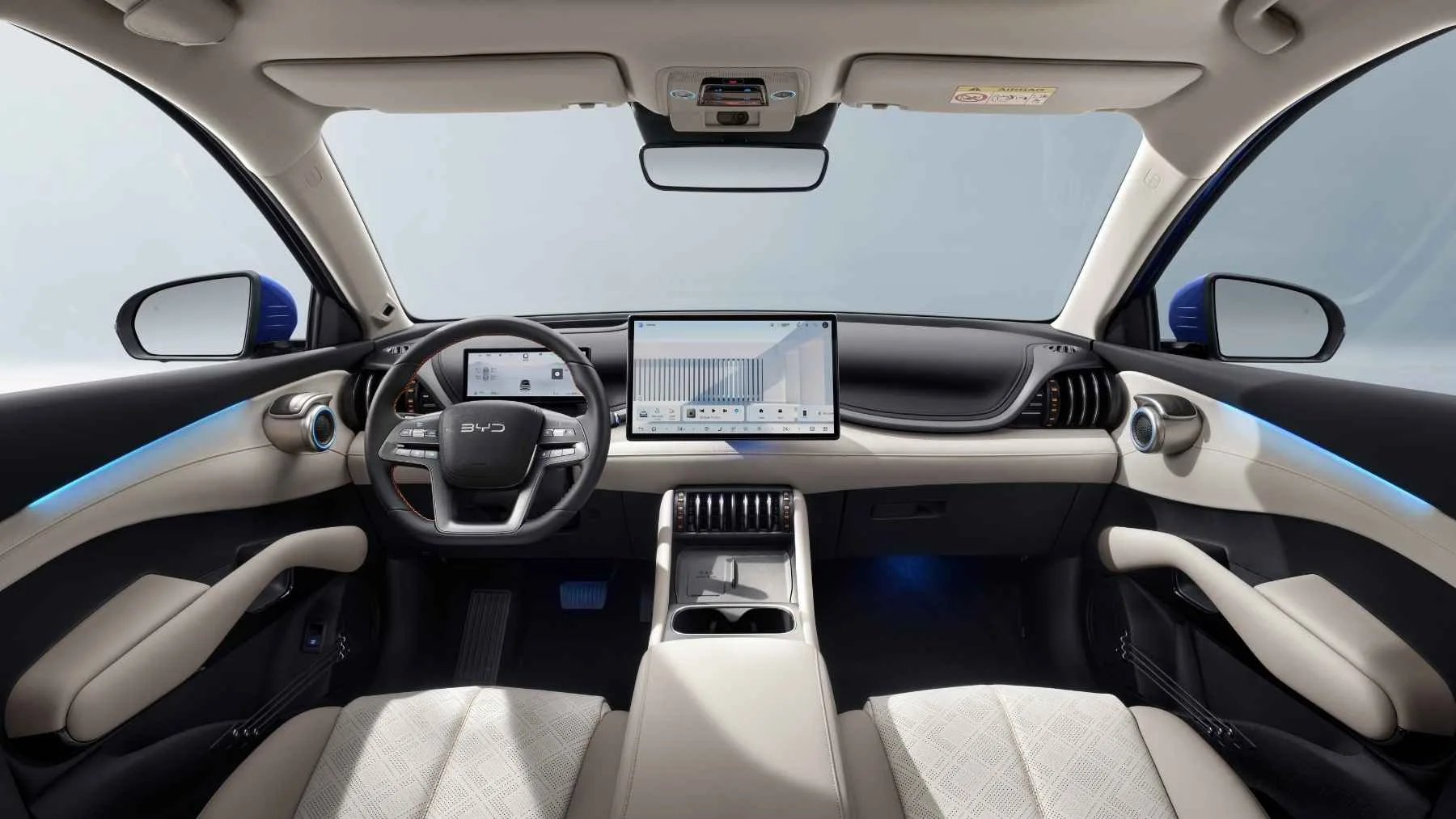
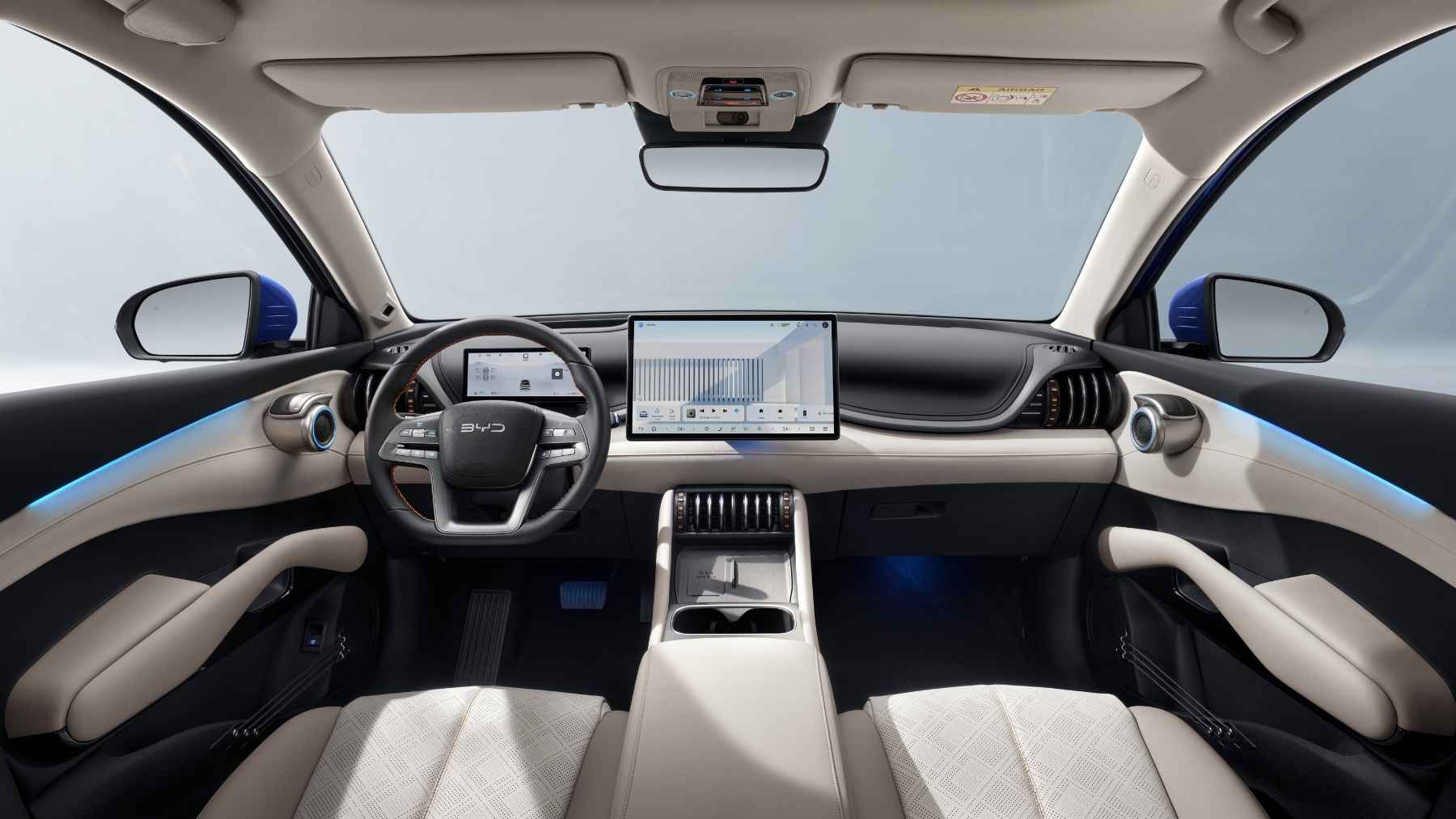
Canada has eased restrictions on the importation of Chinese vehicles, allowing up to 49,000 per year on a lower tariff. Companies like BYD, which have performed well in markets like Europe, will likely get the majority of that allocation. But what will BYD be bringing over?
Nothing has been confirmed as of yet, but looking at BYD’s lineup and how it has sold elsewhere allows us to make a pretty educated guess.
The Seal is basically BYD’s flagship. The fully electric sedan has sold well everywhere it’s offered, and is pretty much guaranteed to get a portion of Canada’s annual Chinese vehicle import allocation.
The Seal U shares a name with the electric sedan, but it’s actually a plug-in hybrid crossover, and is the best-selling PHEV in Europe at the moment. There is a ton of competition in this segment, with the Toyota RAV4 typically dominating the market and the likes of the VW Tiguan alongside the Volvo XC60 taking a slice too. But the low price of the BYD might give it an edge over the competition.
However, North American and European tastes differ slightly when it comes to vehicles. So arguably, you should look towards Australia to see what BYD is likely to bring to Canada. Down under, BYD tends to sell more utility vehicles and SUVs than anything else.
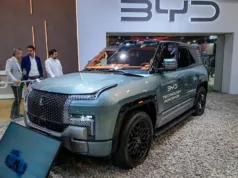
The BYD Shark 6, a small plug-in hybrid pickup truck, is the company’s best-selling model in Australia. It’s pretty much tailor-made for the Canadian market, too, as our neighbors to the north like a pickup truck almost as much as folks in the US do. The trade agreement also allows BYD to import PHEVs under its quota, so it’s highly likely the Shark 6 will make it across the Pacific.
SUVs are also big in Canada, which means the fully electric Sealion 7 and Sealion 6 PHEV are likely to crop up in the country’s BYD dealerships. Both SUVs have done well on the Australian market and are likely to be popular in Canada as well. The Sealion 7 is actually Australia’s best-selling BEV, beating off competition from the likes of Tesla. Despite Europeans generally preferring smaller vehicles, the Sealion 7 has gained significant traction in places like Britain since launching there in 2025.
Could the US get any of these vehicles?
As things stand, it’s pretty much impossible to sell Chinese EVs on the US market. In addition to the various National Highway Traffic Safety Administration (NHTSA) hoops manufacturers have to jump through, any Chinese EVs imported into the United States face tariffs of over 100%. As the main selling point of something like a BYD is the price, effectively doubling that price will ruin any chance the vehicle has of selling. No one is going to willingly pay $40,000 for something the world sees as a sub-$20,000 vehicle.
With that being said, things could change. After years of price increases, Americans are crying out for cheaper vehicles. Seeing Canadians driving around in EVs at half the price of what you’re paying will likely be a bit galling.
Attitudes amongst businesses are changing too. Ford, once the main opposition to any Chinese entry in the US automotive market, has talked about partnering with some Chinese companies in the future.
If the US does ease import restrictions on Chinese EVs to the point where they become viable, then Canada could be a good indicator of what the United States would get. Canadian and American infrastructure is not too different, and consumers have similar tastes in vehicles. The Canadian and American automotive manufacturing industry is even intertwined, with the historic hubs of Detroit, Michigan, and Windsor, Ontario, only a short drive from one another.
So it’s definitely keeping a close eye on what BYD brings to Canada, and how those vehicles perform.