
When BYD launched the SEAL in the UK in 2023, it signaled the brand’s intent to compete directly with established European electric sedans on more than just price. For the 2026 model year, the Chinese automaker isn’t reinventing the car—but it is refining it in ways that matter, particularly in terms of usability, safety technology, and day-to-day practicality.
The updates are evolutionary rather than radical, but taken together they point to BYD’s growing confidence in the European market and a sharper understanding of what UK buyers expect from a premium electric vehicle.
Subtle Design Tweaks, Smarter Use of Space
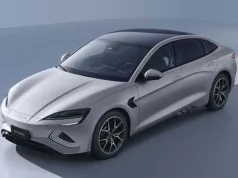
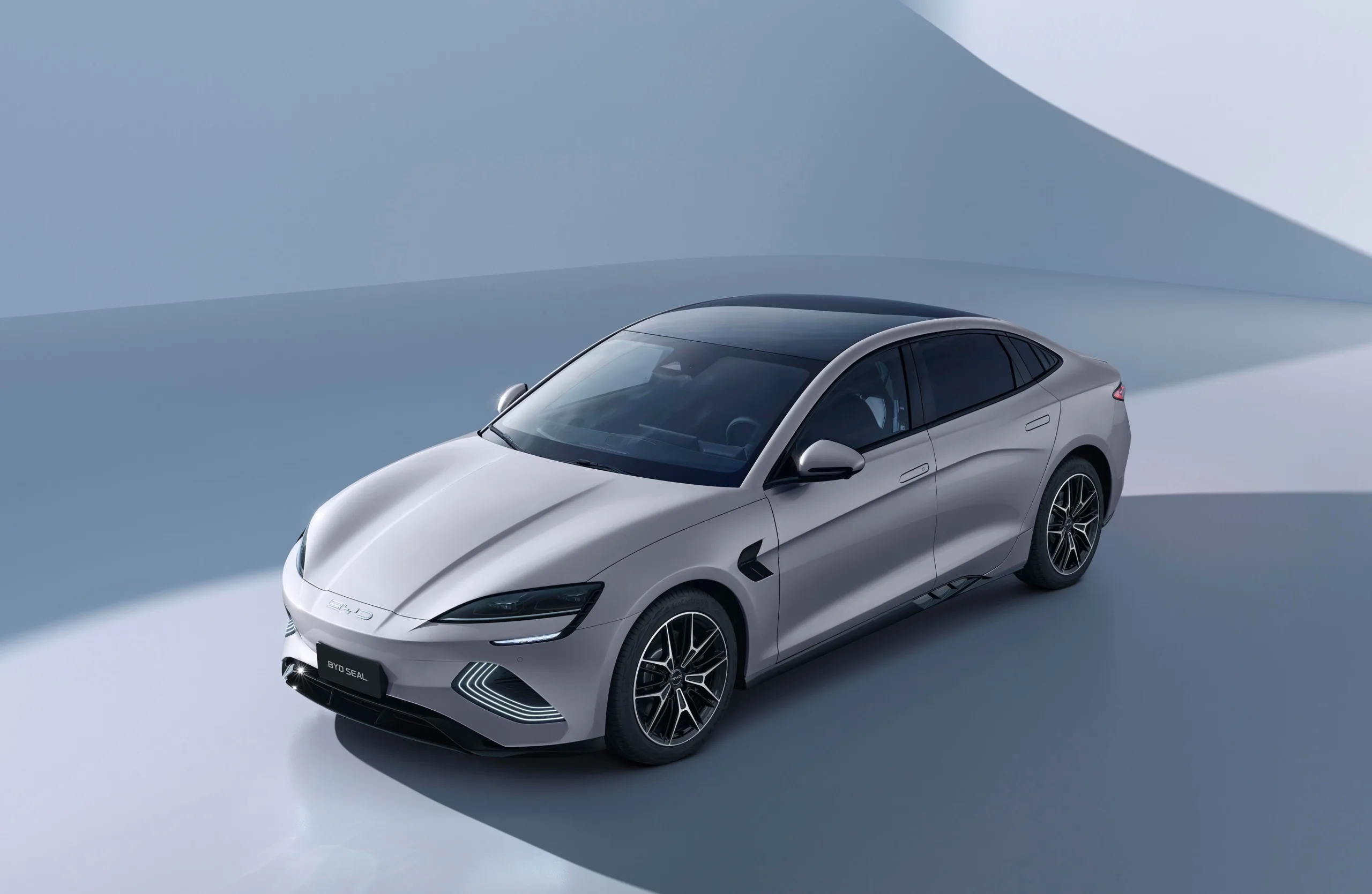
Visually, the 2026 SEAL remains faithful to BYD’s OCEAN design language, but small changes sharpen its stance. A new 19-inch wheel design gives the car a more assertive profile, while three new exterior colours—Ruby Red, Obsidian Black and Lavender Grey—expand personalisation options alongside the existing Polar White, Indigo Grey and Atlantis Grey.
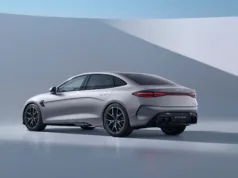
Branding has also been subtly reworked. The BYD badge now sits prominently above the full-width rear light bar, while the SEAL model designation moves to the lower right of the boot lid, aligning the car more closely with premium European design conventions.
BYD
Inside, the changes are understated but deliberate. Nappa leather upholstery remains standard, but the removal of stitched BYD logos from the headrests gives the cabin a cleaner, less overtly branded look. Similarly, the centre armrest no longer displays the NFC logo, even though the functionality itself remains unchanged—another small nod toward visual restraint.
Where the SEAL makes its biggest leap forward is in practicality. Despite retaining the same 4.8-metre footprint, boot capacity has grown from 400 litres to 485 litres, helped by a revised layout and the addition of tethering hooks. The powered tailgate remains standard. Up front, the redesigned under-bonnet storage now offers 72 litres—19 more than before—making it genuinely useful for charging cables or a small carry-on suitcase.
Expanded Driver Assistance and Digital Access
Technology updates for 2026 focus less on infotainment gimmicks and more on safety compliance and convenience. A newly added Driver Monitoring System brings the SEAL into line with the latest European safety regulations, tracking driver attention and issuing alerts when focus drops.
Another notable addition is a Bluetooth-based digital key, allowing owners to unlock and start the car using a smartphone—an increasingly expected feature in this segment.
BYD
Elsewhere, equipment levels remain generous. Even the entry-level Design trim includes LED headlights with high-beam assist, a panoramic glass roof, a 12-speaker Dynaudio sound system, dual 15W wireless charging pads, heated and ventilated electrically adjustable front seats, and a fixed 15.6-inch high-definition touchscreen. The higher-spec Excellence model adds a head-up display, further reinforcing the SEAL’s premium positioning.
Performance And Range Still Do The Heavy Lifting
Mechanically, the SEAL’s core strengths remain intact. The Excellence variant continues to use a dual-motor, all-wheel-drive setup producing 523 bhp and 670 Nm of torque, enabling a 0–62 mph sprint in 3.8 seconds. Semi-adaptive suspension with variable-frequency dampers helps balance outright performance with ride comfort.
BYD
The Design version sticks with a rear-wheel-drive, single-motor configuration delivering 308 bhp and 360 Nm, with a 0–62 mph time of 5.9 seconds. Both versions are electronically limited to 112 mph.
Powering both models is BYD’s cobalt-free Blade Battery, based on lithium iron phosphate (LFP) chemistry. The 82.5 kWh pack delivers a WLTP range of up to 354 miles in the Design trim and 323 miles in the Excellence. DC fast charging peaks at 150 kW, enabling a 10–80% recharge in 37 minutes—competitive, if not class-leading.
Pricing Stability In A Volatile Market
Perhaps most notably, BYD has chosen not to raise prices. The 2026 SEAL starts at £45,730 for the Design and £48,730 for the Excellence, unchanged from the outgoing model despite the added equipment and increased practicality.
The car is covered by a six-year, 93,750-mile vehicle warranty, with battery coverage extending to eight years or 155,350 miles—terms that continue to underpin BYD’s value proposition as it expands its UK footprint.
In a market where many electric vehicles are becoming more expensive without clear gains in usability, the 2026 BYD SEAL takes a different approach: incremental improvements, stable pricing, and a sharper focus on how owners actually live with their cars.